 By Azzam Bilal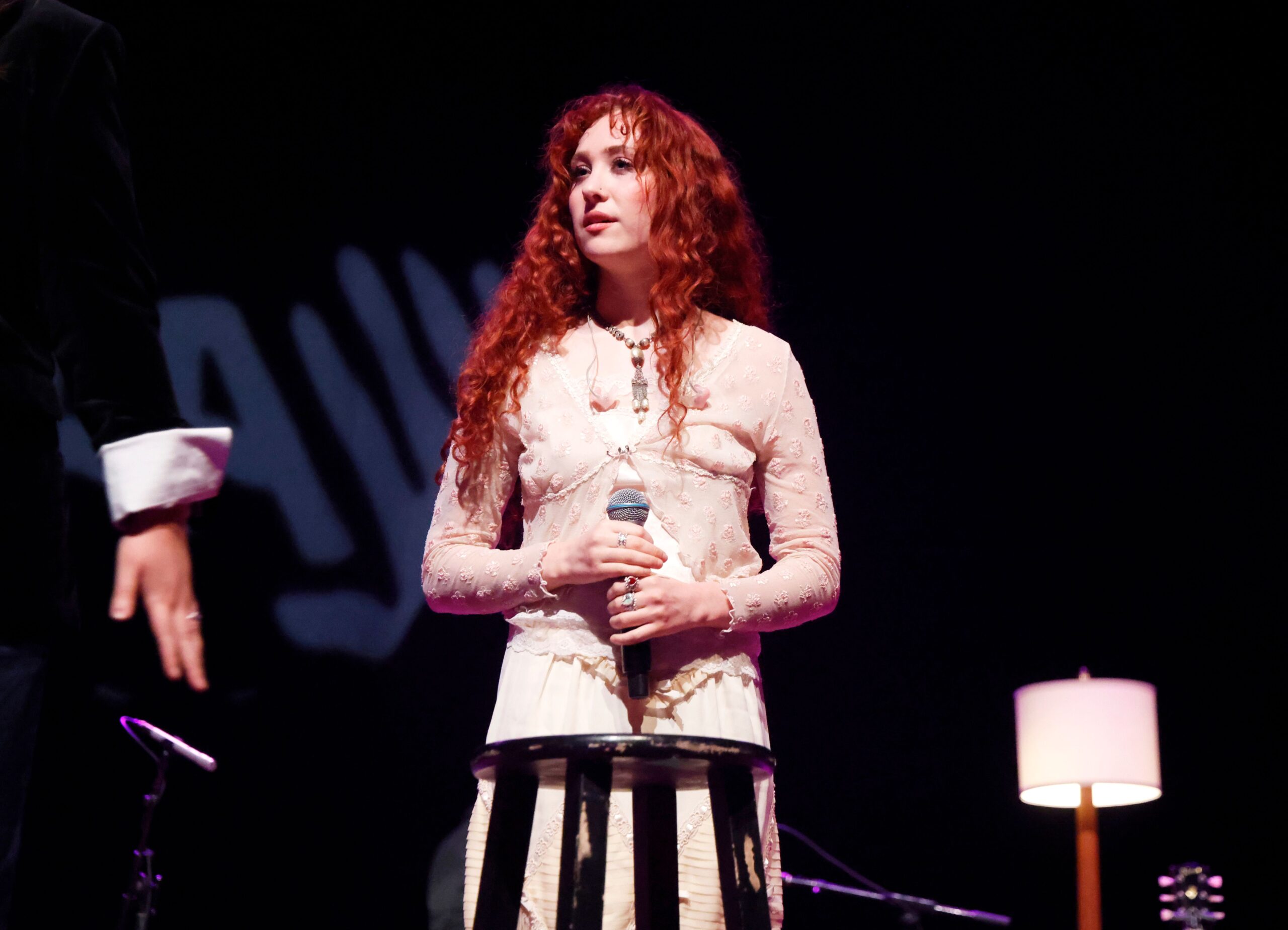
HangupsMusic.com – In a move that highlights a growing demand for ethical accountability within the upper echelons of the entertainment industry, Chappell Roan has officially announced her departure from Wasserman Music. The decision, shared via the artist’s social media channels on February 9, comes in direct response to the emergence of Casey Wasserman’s name in a cache of Jeffrey Epstein-related documents recently unsealed by the United States Department of Justice. Roan, whose meteoric rise over the past year has established her as a defining voice in contemporary pop, framed the exit not merely as a business transition, but as a necessary step to protect the integrity and safety of her professional inner circle.
The departure marks a significant moment of friction between the new generation of superstars and the legacy structures of Hollywood and the music business. For Roan, the decision to leave one of the most powerful talent agencies in the world was presented as a non-negotiable alignment with her personal and professional values. In a poignant statement shared with her followers, she emphasized that the standards she holds for her team are absolute. She noted that no individual—whether they be an artist, an agent, or a support staffer—should be forced into a position where they must rationalize or ignore behaviors that stand in fundamental opposition to their moral compass.
Roan’s exit is particularly noteworthy given her current career trajectory. Having spent 2024 dominating festival stages and climbing global charts with her debut album, The Rise and Fall of a Midwest Princess, she has cultivated a brand centered on inclusivity, transparency, and the creation of safe spaces for her fans and collaborators. By cutting ties with Wasserman, she has signaled that these values extend beyond her stage persona and into the contractual foundations of her career. Her former representation at the agency included a high-profile team consisting of Jackie Nalpant, Kiely Mosiman, Adele Slater, and Anna Bewers, all of whom are respected figures in the touring and talent sectors. Despite her stated appreciation for the hard work of these individual agents, Roan made it clear that the leadership at the top of the organization made continued association impossible.
The controversy centers on Casey Wasserman, the founder and CEO of the eponymous agency and a central figure in global sports and entertainment. As the chairperson of the Los Angeles 2028 Olympic Organizing Committee, Wasserman holds a level of influence that few in the industry can match. However, the recent release of documents by the Justice Department, which stem from the investigation into the late sex offender Jeffrey Epstein, has cast a long shadow over his reputation. While the specific nature of the communications or mentions in the files has been the subject of intense public scrutiny, the mere association has proven toxic for an agency that relies on the trust and public image of its creative clients.
Wasserman Music is not a minor player in the industry; it is a titan. The agency’s roster has historically included some of the most influential names in music, ranging from Pulitzer Prize-winning rappers like Kendrick Lamar to global pop icons like Lorde, Ed Sheeran, and SZA. The agency also represents heavyweights such as Coldplay, Childish Gambino, and Tyler, the Creator. The scale of this roster underscores the gravity of the current exodus. In an unusual move that suggests internal turmoil and a rush to mitigate brand damage, the agency’s official website recently removed its entire artist roster from public view, a tactic often seen when a firm is bracing for a wave of high-profile departures.

The exit of Chappell Roan did not occur in a vacuum. Earlier on the same day, the acclaimed indie-rock outfit Wednesday also announced they were parting ways with the agency. Their departure served as a catalyst, emboldening other artists to speak out against the leadership of the firm. Bands and performers such as Beach Bunny, Water From Your Eyes, and the electronic artist Salute have all voiced their concerns, with many calling for Casey Wasserman’s immediate resignation. These artists have collectively argued that the presence of such a high-profile figure in the Epstein files creates an untenable environment for those who prioritize social justice and survivor advocacy in their work.
The internal pressure at Wasserman Music is reportedly mounting as well. Reports indicate that a group of agents within the company have expressed their own discomfort, with some threatening to resign if the leadership issues are not addressed. This internal rebellion suggests that the "business as usual" approach to executive scandal is no longer viable in an era where transparency is a primary currency. The friction between the rank-and-file employees, who work daily to build the careers of their artists, and a CEO embroiled in a federal document scandal has created a fracture that may be difficult to mend.
Adding to the chorus of dissent is Bethany Cosentino, the frontwoman of Best Coast and a prominent advocate for women’s rights in the music industry. In a powerful open letter addressed directly to Wasserman, Cosentino urged him to step down for the sake of the company’s future and the well-being of its clients. Her letter touched on a vital aspect of this controversy: the power dynamic between wealthy executives and the artists who generate the industry’s revenue. Cosentino highlighted that for many performers, particularly women and survivors of abuse, the association with the Epstein investigation is not just a PR hurdle, but a deeply personal affront. She argued that artists should not be viewed as "interchangeable assets" but as human beings who deserve to work within systems that respect their dignity.
Cosentino’s letter resonated deeply across the industry, articulating a sentiment that has been simmering for years. "I’m speaking out because pretending this is normal isn’t normal," she wrote, challenging the historical tendency of the entertainment industry to protect powerful men at the expense of ethical standards. Her insistence that artists deserve representation that does not require them to compromise their morals in exchange for career opportunities has become a rallying cry for the current wave of departures.
As the dust settles on these announcements, the broader implications for Wasserman Music remain uncertain. The loss of a star as culturally significant as Chappell Roan is a major blow, particularly as she represents the vanguard of the new music economy. Her decision to prioritize the safety and values of her team over the convenience of a powerhouse agency may set a precedent for other A-list talent. If more names from the agency’s elite roster follow suit, Wasserman Music could face an existential crisis that transcends mere public relations.
For Roan, the move is a definitive statement of independence. By stating that "meaningful change in our industry requires accountability and leadership that earns trust," she has positioned herself as more than just a pop star; she is a leader willing to take financial and professional risks to uphold a standard of conduct. This situation serves as a stark reminder that in the modern era, an artist’s brand is inextricably linked to the ethics of their business partners. As the industry continues to grapple with the fallout from the Epstein files, the actions taken by Roan and her peers suggest that the days of overlooking executive misconduct are rapidly coming to an end. The focus now shifts to how other major agencies and industry leaders will respond to this shift in the power balance, where the moral authority of the artist can now challenge the institutional power of the executive.