 By admin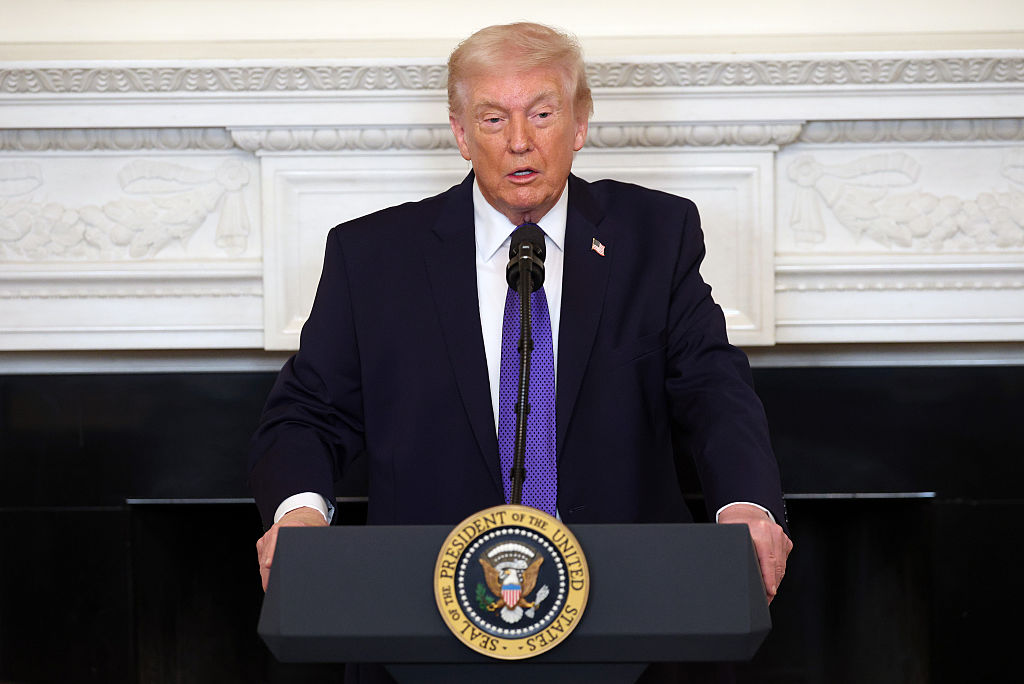
HangupsMusic.com – As the nation’s attention turns to Washington, President Donald Trump is slated to deliver the inaugural official State of the Union address of his second term to a joint session of Congress on Tuesday evening. This high-profile event unfolds against a backdrop of considerable political tension, marked by fluctuating approval ratings and the recent resolution of a protracted partial government shutdown that significantly impacted federal operations and public sentiment. The annual address, a constitutional obligation, serves not only as a report on the nation’s condition but also as a crucial platform for the President to articulate his administration’s achievements, outline future policy objectives, and attempt to rally both congressional and public support for his agenda.
The much-anticipated speech is scheduled to commence at 9 p.m. Eastern Time, ensuring a prime-time audience across the United States. Major broadcast networks, including ABC, CBS, NBC, and PBS, will provide comprehensive live coverage, making the event accessible to a vast television viewership. Complementing this, prominent cable news channels such as CNN, MSNBC, and Fox News are also committed to airing the full address, alongside extensive pre- and post-speech analysis and commentary from their respective political panels. This broad spectrum of coverage underscores the significant national interest and the diverse interpretive lenses through which the speech will be received and dissected.
For those who have embraced modern viewing habits and moved away from traditional cable subscriptions, numerous digital avenues will facilitate access to this pivotal event. Live streaming services like DirecTV Stream, FuboTV, and Hulu + Live TV offer pathways to watch the networks’ broadcasts, often accompanied by free trial periods for new subscribers, providing a flexible option for remote viewing. Furthermore, the entire address will be readily available for streaming online via YouTube, ensuring that the President’s message reaches an even broader digital-native audience, irrespective of their television subscription status. The accessibility across multiple platforms reflects the evolving landscape of media consumption and the imperative for major national events to cater to a diverse range of viewers.
Historically, the State of the Union address is typically delivered in January or February of each year, fulfilling the constitutional directive for the President to periodically inform Congress on the "State of the Union." While its format has evolved from a written message to a grand televised speech over centuries, its fundamental purpose remains consistent: to detail the administration’s progress, identify challenges facing the country, and propose legislative solutions for the upcoming year. For an incumbent president embarking on a second term, this address often takes on a particular significance, serving as an opportunity to cement a legacy, articulate long-term visions, and perhaps recalibrate priorities after a period in office.
It is worth noting the distinction from President Trump’s address to Congress in his first year in office. That speech, while comprehensive and widely watched, was technically a "joint address to Congress" rather than an "official State of the Union." This practice is not uncommon for incoming presidents, who often reserve their first year’s major policy pronouncement for their inaugural address, using it to set the tone and initial agenda for their administration. The subsequent State of the Union addresses then build upon this foundation, offering a more detailed account of progress and future plans, making this upcoming speech a true benchmark for his second-term legislative aspirations.
A particularly charged element of the upcoming address involves President Trump’s direct interaction with members of the Supreme Court, who will be seated prominently before him. This encounter comes on the heels of a significant ruling where the Supreme Court notably struck down a key component of his administration’s tariff agenda. The decision saw Trump appointees Amy Coney Barrett and Neil Gorsuch align with Chief Justice John Roberts and the court’s traditionally liberal wing in a unanimous vote against the tariffs. The court’s rationale underscored a foundational principle of American governance: the power to impose tariffs, being a facet of trade policy, constitutionally rests with Congress, not the executive branch. This judicial rebuke adds an intriguing layer of tension to the ceremonial proceedings, as the President will stand face-to-face with the very institution that recently curtailed a significant policy initiative.
Beyond domestic policy, global affairs are also expected to feature prominently in the President’s address. Tensions with Iran have been a persistent and escalating concern throughout his presidency, marked by withdrawals from international agreements, the imposition of stringent sanctions, and heightened military posturing in the Middle East. Observers anticipate that the President will use the State of the Union platform to address these complex geopolitical dynamics, potentially outlining his administration’s strategy for managing the relationship with Tehran, reinforcing alliances in the region, or perhaps even signaling new approaches to de-escalation or deterrence. The gravity of these international challenges ensures that the foreign policy segment of the speech will be scrutinized closely by allies and adversaries alike.
The political polarization that has characterized recent years is also expected to manifest in the reactions to the State of the Union. A notable contingent of Democratic lawmakers has publicly declared their intention to boycott the official address, choosing instead to participate in an alternative gathering. Among those opting out are prominent figures such as California Senator Adam Schiff, Massachusetts Senator Ed Markey, Connecticut Senator Chris Murphy, and Minnesota Senator Tina Smith. These senators and others are slated to attend an event dubbed the "People’s State of the Union," which will convene at the National Mall. This counter-programming initiative aims to present an alternative narrative, focusing on issues and perspectives often highlighted by the opposition, thereby offering a distinct contrast to the President’s official message and amplifying dissenting voices.
Following the President’s address, the tradition of the opposition party delivering an official response will be upheld. This year, Virginia Governor Abigail Spanberger has been tapped to provide the Democratic rebuttal. The Democratic response serves as a critical opportunity for the opposing party to articulate its own vision for the country, critique the President’s proposals, and present a cohesive alternative agenda to the American public. Spanberger, a former CIA officer and a rising figure within the Democratic party, is expected to deliver a measured yet firm counter-narrative, aiming to resonate with voters and draw a clear distinction between the two parties’ approaches to governance and national priorities. Her selection underscores the Democratic Party’s strategy to highlight new leadership and diverse voices.
As the nation tunes in, the State of the Union promises to be more than just a recitation of facts and figures. It is a potent political and cultural event, offering a rare moment of shared national attention, albeit through often divergent lenses. With the weight of recent political battles, significant judicial decisions, and international challenges resting on his shoulders, President Trump’s second-term State of the Union address will be a defining moment, closely watched for its content, its tone, and its potential to shape the discourse for the remainder of his term.