
 By Rose Miami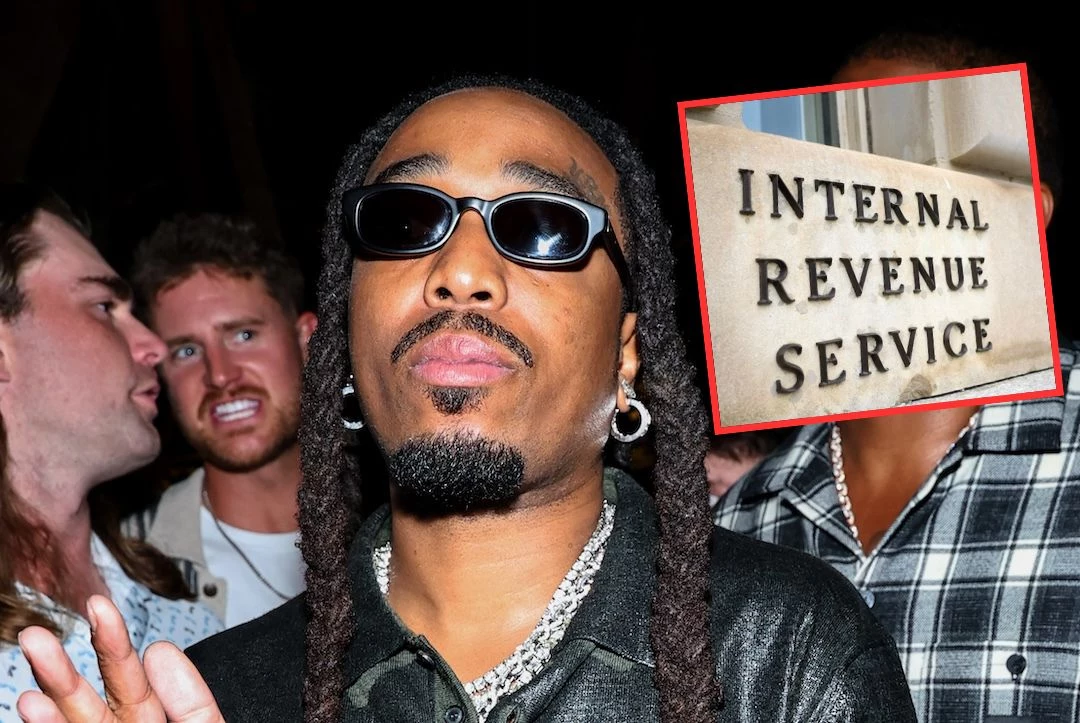
HangupsMusic.com – Atlanta, GA – Chart-topping artist Quavo, a prominent figure in contemporary hip-hop, is reportedly facing a substantial financial challenge from the Internal Revenue Service (IRS), with a federal tax lien recently filed against him for an amount exceeding $2.9 million. The lien, according to a report from TMZ published on Wednesday, March 4, 2026, details alleged unpaid tax obligations spanning three distinct years.
The IRS claims that Quavious Marshall, professionally known as Quavo, failed to meet his tax responsibilities for the years 2021, 2022, and 2023. Specifically, the federal agency asserts that Quavo owes $915,660 for the 2021 tax year, an additional $887,486 for 2022, and a significant $1,109,497.79 for 2023. When aggregated, these figures amount to a total of $2,912,644.33, placing the Atlanta-based artist under considerable financial pressure from the U.S. tax authority. Representatives for Quavo were contacted for comment regarding the reported lien, but no official statement has been released at this time.
This revelation arrives at a time when financial scrutiny of prominent artists, particularly within the hip-hop community, appears to be increasing. The reported tax burden on Quavo is not an isolated incident, as other notable figures in the genre have recently encountered similar fiscal predicaments with the IRS.
Notably, Quavo’s former Migos groupmate, Offset, has also been in the news regarding significant tax debts. Reports from late 2025 indicated that Offset, born Kiari Cephus, settled a substantial tax debt amounting to approximately $1.5 million. This settlement reportedly occurred during the tumultuous period of his divorce proceedings with rapper Cardi B. According to Us Weekly, the IRS had filed paperwork in December 2025, asserting that Offset owed $1,575,266.73 for the 2022 tax year.

However, Offset’s financial entanglements with tax authorities are not entirely resolved. He reportedly still faces outstanding tax liabilities totaling $486,426.35 for the 2023 tax year. Furthermore, a separate lien has been filed by the Georgia Department of Revenue, demanding an alleged $292,000 for unpaid taxes from 2021. Combined, these outstanding obligations represent a considerable sum for Offset, estimated to be in the region of $778,426.
The financial challenges faced by Quavo and Offset underscore a broader trend of significant tax debts emerging among successful hip-hop artists. These are not isolated incidents but rather appear to be recurring issues within the industry.
In April 2023, rapper Lil Pump was reported to owe the IRS a sum of $2 million in back taxes. This case highlighted the considerable financial responsibilities that accompany substantial earning potential in the music industry.
Even more striking was the situation of former rap mogul Dame Dash. In September 2025, reports surfaced detailing an astonishing total debt of $25 million owed by Dash to various governmental entities. This staggering figure included substantial back taxes owed to the IRS, amounting to $8.7 million, as well as significant sums owed to the New York State Department of Taxation and Finance ($9.65 million), Los Angeles County ($5.79 million), and the New Jersey Division of Taxation ($3.5 million). The scale of Dame Dash’s tax liabilities serves as a stark reminder of the complex financial management required at the highest levels of the entertainment business.
These instances collectively suggest that while the allure of fame and fortune in the music industry is undeniable, it is often accompanied by equally significant financial obligations. Navigating tax laws and ensuring timely payment of dues to federal and state authorities are critical responsibilities that artists and their financial advisors must diligently manage. The reported multi-million dollar tax lien against Quavo serves as another prominent example of the considerable fiscal duties that accompany a successful career in music. The ongoing situation will undoubtedly be closely watched by fans and industry observers alike, as it unfolds and potential resolutions are sought. The complexities of managing substantial income streams and ensuring compliance with intricate tax regulations present a consistent challenge for many high-profile individuals, and the hip-hop community is no exception.