
 By admin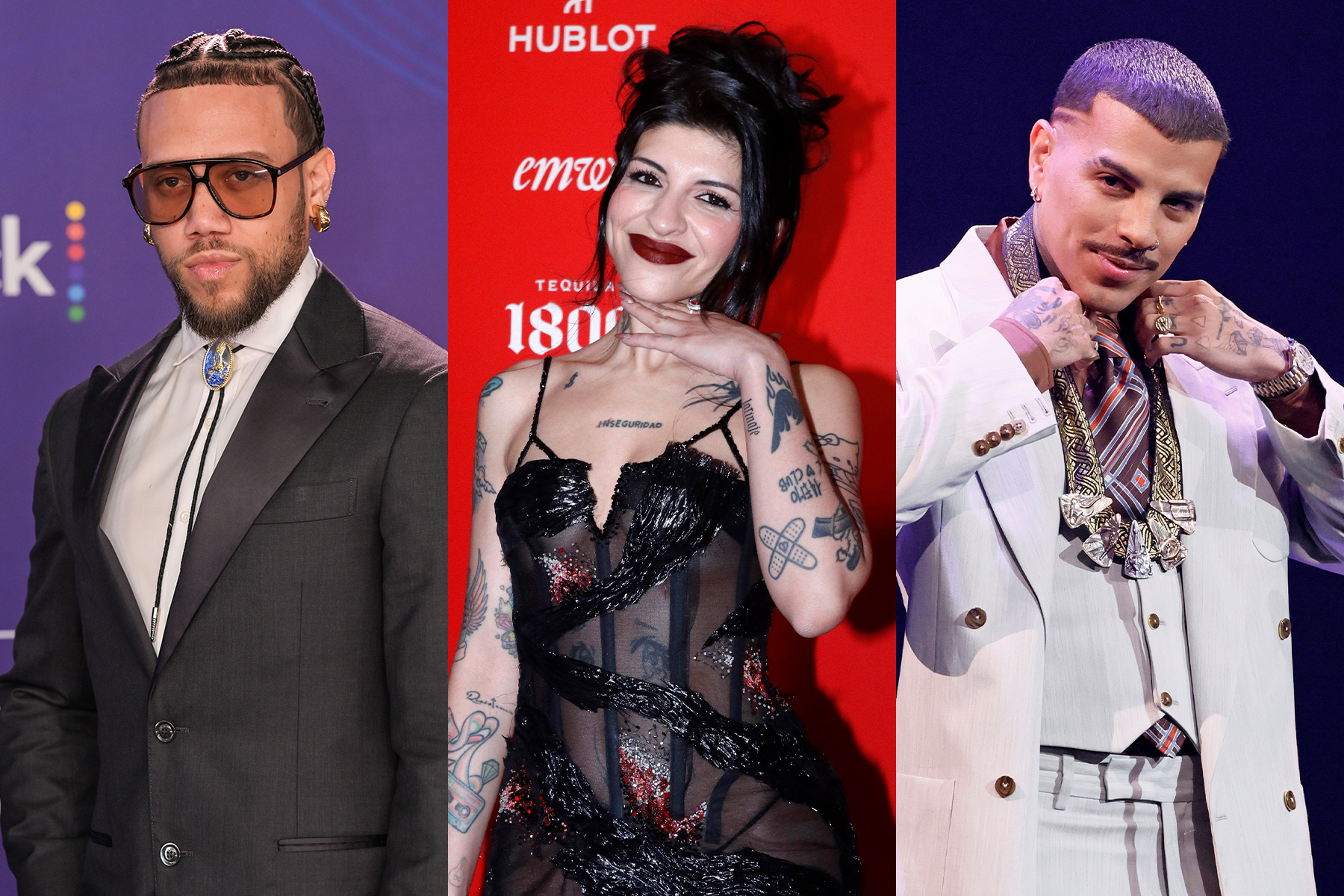
HangupsMusic.com – The usually vibrant and rhythm-driven world of reggaeton has found itself embroiled in a dramatic, multi-layered controversy, sparked by the release of the new track "Rosita." A collaboration featuring heavyweights Tainy, Jhayco, and Rauw Alejandro, the song quickly became the epicenter of an online firestorm, not for its beats or melodic hooks, but for a single, pointed lyric. This line, a direct reference to Argentinian singer Cazzu and her tumultuous past relationship with Mexican musician Christian Nodal, ignited a public debate that saw major Latin music figures weigh in across social media platforms, transforming a simple song release into a saga about artistic responsibility, personal boundaries, and industry camaraderie. The unfolding events offered a rare, unfiltered glimpse into the interpersonal dynamics of some of the genre’s biggest names, prompting widespread discussion among fans and critics alike.
The genesis of the controversy dates back to February 20, when Tainy, the acclaimed Puerto Rican producer, dropped "Rosita," bringing together Jhayco and Rauw Alejandro for what was anticipated as a significant reunion, marking Jhayco and Tainy’s first joint effort in years. The track itself is a typical reggaeton offering, weaving a narrative of infatuation and desire around a mysterious woman. However, one particular verse delivered by Jhayco sent shockwaves through the Latin music community: "Yo me dejo y me caso contigo a lo Christian Nodal," which translates to "I leave and I get married, Christian Nodal style." This seemingly innocuous line was anything but. To understand its impact, one must delve into the very public and painful history it invoked.
Christian Nodal and Cazzu had shared a high-profile, two-year relationship, welcoming their daughter, Inti, in 2023. Their split, announced in 2024, was swiftly followed by Nodal publicly declaring his new relationship with Mexican singer Ángela Aguilar. The revelation came just a month after his breakup with Cazzu, punctuated by a viral moment at one of his concerts where he kissed Aguilar on stage and she proclaimed, "Eres mi novio!" ("You’re my boyfriend!"). This rapid transition fueled intense speculation of infidelity and garnered Nodal significant public backlash, portraying him as someone who moved on with startling speed, leaving Cazzu and their child behind. Jhayco’s lyric, therefore, wasn’t just a casual reference; it was a thinly veiled jab, evoking a raw, unresolved chapter of Cazzu’s life and reigniting the painful public scrutiny she had endured. The immediate aftermath saw fans and media outlets alike criticizing the perceived "cheap shot," deeming it an unnecessary and disrespectful intrusion into Cazzu’s personal life.
As the online criticism mounted, Cazzu herself appeared to respond on February 22, albeit cryptically. Taking to X (formerly Twitter), she posted in Spanish: "The art we make is our stance toward life. You already know mine." This subtle yet potent message was widely interpreted as her quiet rebuke of the "Rosita" lyric, suggesting a fundamental difference in artistic values and a dignified refusal to engage in petty slights. Her statement hinted at a philosophy where art serves a higher purpose, contrasting it with what many perceived as a low blow.
Hours later on the same day, Rauw Alejandro, one of the featured artists on "Rosita," entered the fray with his own vague defense. He posted on X, lamenting, "For a long time now, we’ve been living in an era where controversy and gossip make far more noise than art and effort. Even so, what is truly authentic and genuine always finds its way and ultimately transcends over time." While not directly naming Cazzu or the song, Alejandro’s post was clearly an attempt to reframe the narrative, dismissing the backlash as mere "gossip" and advocating for the inherent value of "art." This response, however, struck many as deflecting from the specific issue of the hurtful lyric, rather than addressing its impact directly.
Jhayco, the artist responsible for delivering the controversial line, doubled down on February 22. He first reposted Alejandro’s statement, seemingly endorsing its sentiment. Then, in a move that further inflamed the situation, he directly quoted his infamous lyric on X, accompanied by a blue heart emoji. This act was widely seen as unapologetic, even defiant, solidifying his ownership of the line and indicating a lack of remorse. The controversy around songwriting credits also surfaced, with initial reports and platforms like Genius listing Bad Bunny as a co-writer, a detail that was later removed from Spotify credits. Jhayco ultimately confirmed that he was the sole author of the specific Nodal reference, placing the responsibility squarely on his shoulders.
The drama escalated significantly on February 24, when Cazzu abandoned cryptic messages for a comprehensive, emotionally charged Substack post titled "Tiradera" (which translates to "diss track" or "throw away"). In her lengthy essay, she sharply critiqued the culture of "beef and diss tracks," particularly focusing on what she termed "peneamor" – a powerful neologism combining "pena" (sorrow/shame) and "amor" (love), suggesting a toxic male camaraderie or superficial bond that leads to such disrespectful artistic choices. Cazzu lamented that artists would "take the time to produce, pay, ‘write’ bars or verses to turn them into diss tracks," especially after having previous conflicts themselves, only to return to this "peneamor" that binds them.
Her most poignant and impactful statement came at the essay’s conclusion: "The real problem is called Chronicle of an Abandonment. And no, it’s not me who’s been abandoned." This line was a profound pivot, shifting the focus from a mere celebrity spat to the deeper, more painful issue of her daughter, Inti, and the ongoing, contentious custody battle with Nodal. By invoking her child, Cazzu not only highlighted the personal cost of the lyric but also implicitly called out Nodal for his perceived abandonment, raising the stakes considerably and drawing attention to the very real-world consequences of such public narratives.
Later the same day, February 24, Christian Nodal himself broke his silence, using his Instagram broadcast channel to address the mounting controversy. He attempted to downplay the lyric, characterizing it as a simple observation about someone falling in love and marrying quickly, and even suggesting it was "slightly tongue-in-cheek, poking at my reputation for being a hopeless romantic." Nodal insisted it was "not an attack." However, his lengthy message also contained pointed, albeit indirect, references to his relationship with Cazzu and their custody dispute over Inti. He wrote, "What the hell does my daughter have to do with making a point about musical genre?" This question, while appearing to defend his daughter from being dragged into the musical discourse, simultaneously underscored Cazzu’s earlier powerful assertion that the "abandonment" of their child was indeed at the heart of the matter for her. Nodal’s intervention, rather than quelling the storm, further fueled the debate, highlighting the deep emotional chasm between the former partners.
The public outcry, particularly following Cazzu’s Substack post, seemed to prompt a collective shift in tone from the "Rosita" collaborators. On February 25, Rauw Alejandro issued a numbered response on X, clearly an attempt to clarify his position and mitigate damage. He began by asserting, "I have never spoken ill of Cazzu. I consider her a friend," striving to distance himself from any perceived malice. Alejandro emphatically stated he did not write the controversial bar and "didn’t interpret it as disrespectful to anyone" when he first heard it. He concluded by attempting to paint a picture of unity and positivity, declaring, "Here there’s no fighting, no bad vibes. There’s music, there’s work, and there’s unity." This response marked a significant pivot from his earlier, more generalized defense of "art."
Jhayco followed suit on February 25 with his own lengthy X post, directly addressing the drama and attempting to put it behind him. In a stark contrast to his earlier defiance, he admitted to writing the contentious line. However, he quickly qualified this by stating, "At no point was there, nor was there ever, any intention to belittle or make anyone feel targeted because of a past personal situation." Jhayco expressed deep regret that the "historic and heartfelt collaboration is being tarnished by those who always try to portray it as a war of words between men and women, which simply doesn’t exist." He concluded by extending "success and congratulations" to Cazzu for her upcoming projects and professed, "Here there is no resentment there is love for everyone." This comprehensive apology and attempt at reconciliation signaled a clear acknowledgment of the negative impact of his lyric.
The last of the three collaborators to address the controversy was Tainy. Having remained silent throughout much of the ordeal, the esteemed producer finally shared his perspective on February 26 via an Instagram grid post. Tainy emphasized that "The purpose of creating ‘Rosita’ was always unity: to be able to hear Jhayco and Rauw together for the first time on the same track." He echoed his collaborators’ sentiments, stating, "The intention was never to offend, hurt, or disrespect anyone." Acknowledging the varied public reaction, he added, "I’m very sorry that for some people the result was the opposite. I understand that we all have different points of view and that we don’t always interpret things in the same way." Tainy concluded by thanking fans for their support, effectively closing the chapter on the direct responses from the "Rosita" artists.
The "Rosita" controversy has served as a powerful reminder of the intricate balance between artistic freedom and personal responsibility in the age of hyper-connectivity. It underscored the profound impact that a single lyric can have, particularly when it touches upon sensitive, unresolved personal histories and involves public figures. Cazzu’s articulate and emotionally resonant responses, especially her Substack essay, not only defended her own dignity but also ignited a broader conversation about "toxic bro culture" within the music industry and the protection of women and children from such public slights. While the artists involved in "Rosita" ultimately issued apologies and attempted to de-escalate, the saga leaves a lingering question about the boundaries of lyrical content and the ethical considerations that artists must navigate in an increasingly transparent and scrutinized public sphere. The "Rosita" incident will undoubtedly remain a significant talking point in the ongoing dialogue surrounding celebrity, artistry, and accountability in Latin music.