
 By admin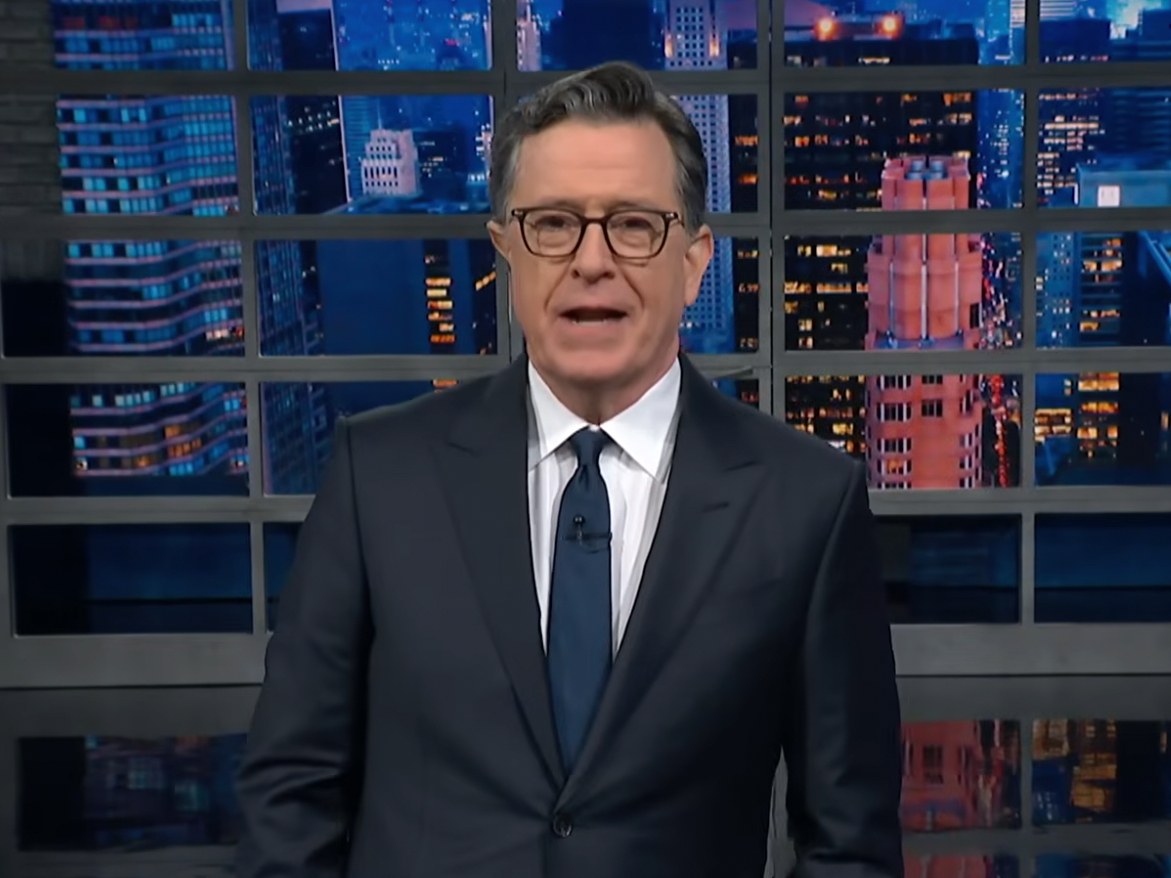
HangupsMusic.com – The arrest of Andrew Mountbatten-Windsor, formerly known as Prince Andrew, Duke of York, on charges of "misconduct in public office" sent ripples across international news outlets and provided ample fodder for late-night television hosts, most notably Stephen Colbert. The detention on Thursday morning, while not directly related to the long-standing allegations of sexual misconduct, nonetheless marked a significant moment in the unfolding narrative surrounding the British royal family and its peripheral connections to the disgraced financier Jeffrey Epstein.
For years, Andrew Mountbatten-Windsor has been embroiled in controversy stemming from his association with Epstein. His fall from grace within the British monarchy has been steep and public, culminating in his brother, King Charles III, stripping him of his military affiliations and royal patronages in October, followed by his effective eviction from his long-time residence, Royal Lodge, near Windsor Castle, earlier this month. The recent arrest, however, brings a new legal dimension to his predicament, focusing on his official conduct rather than the more salacious accusations that have dogged him.
Stephen Colbert, hosting The Late Show, seized upon the news with his characteristic blend of wit and pointed social commentary. Opening his program, Colbert expressed a collective sigh of relief, declaring that "finally someone, anyone" was being held accountable for their actions. His remarks were met with enthusiastic cheers from the studio audience, underscoring a public appetite for justice in high-profile cases. Colbert playfully lauded the British legal system, suggesting its superiority to American justice due to its "frilly wigs"—a humorous nod to the distinctive barristers’ wigs worn in U.K. courts, implicitly contrasting it with what he often portrays as a less theatrical and perhaps less equitable system stateside.
The specific charge against Mountbatten-Windsor, "misconduct in public office," involves the alleged transmission of sensitive trade reports to Jeffrey Epstein in 2010. This revelation emerged from the vast trove of Epstein-related documents recently unsealed by the U.S. Department of Justice. The offense, defined in British law as a "seriously willful abuse or neglect of the power or responsibilities of the public office held," prompted Colbert to draw a sharp, satirical comparison to American political culture. He quipped that such an act was not only "not illegal in the United States, it was Trump’s campaign slogan," a barbed reference to perceived abuses of power in domestic politics.
Colbert seamlessly transitioned from the British royal’s legal troubles to a critique of former President Donald Trump. He recounted the supposed inaugural meeting of Trump’s "Board of Peace," a fictional construct used to highlight Trump’s alleged transactional approach to diplomacy and influence. Colbert described it as "kind of like the UN except instead of passing binding resolutions, you pass a greasy bag of money to Donald Trump." He further elaborated on the satirical board’s exorbitant entry fee—a reported $1 billion in cash—likening its operational model to a "strip club" where "cash only" transactions prevail and "Donald Trump will never leave." This segment underscored Colbert’s ongoing critique of Trump’s financial dealings and his perceived exploitation of power.
Later in his monologue, Colbert ventured into more speculative territory, referencing recent comments by former President Barack Obama about the potential reality of alien life. When questioned about Obama’s remarks, Trump reportedly responded with characteristic ambiguity: "I don’t know if they’re real or not." Colbert seized this opportunity to pivot back to Trump’s known association with Epstein. Displaying a photograph of Trump alongside Epstein, he delivered a cutting punchline: "While Trump never talks about meeting aliens, we do know he’s had close encounters with predators." This moment served to remind viewers of Trump’s long-standing connection to Epstein, a relationship that has become increasingly scrutinized in the wake of the unsealed documents.
The Epstein scandal, as the original article noted, has generated vastly different responses across the globe. While foreign governments, businesses, universities, and cultural institutions have launched investigations into individuals linked to the notorious sex offender, and powerful figures worldwide have been compelled to resign from influential positions, the U.S. response has been notably muted. This stark contrast formed a significant part of Colbert’s commentary and the broader public discourse. Despite Trump’s name allegedly appearing in the Epstein files over a million times, he and other figures associated with his administration appear to remain largely untouched by the legal repercussions that have swept through other nations. This perceived immunity within the American justice system, especially when compared to the dramatic developments abroad, fuels ongoing frustration and calls for greater accountability.
Andrew Mountbatten-Windsor’s journey through public disgrace began long before this week’s arrest. Stripped of his royal titles and effectively exiled from prominent royal life, he has consistently maintained his innocence regarding all allegations. However, the recently released Epstein documents, comprising over three million pages, paint a troubling picture. His name and image appear multiple times, most notoriously in a photograph with Virginia Giuffre, who alleged she was coerced into sexual encounters with him as a teenager.
Giuffre was a central figure among Epstein’s accusers and pursued a high-profile civil sexual assault lawsuit against Andrew. This lawsuit was ultimately settled in 2022, preventing a potentially embarrassing public trial for the royal. Tragically, Giuffre passed away by suicide last April, a devastating loss that has only intensified the calls for justice from her family and supporters.
Following Mountbatten-Windsor’s arrest, Giuffre’s family released a poignant statement, expressing a sense of vindication. "At last, today, our broken hearts have been lifted at the news that no one is above the law, not even royalty," her siblings declared. They extended gratitude to the U.K.’s Thames Valley Police for their investigation and the arrest, emphasizing, "He was never a prince. For survivors everywhere, Virginia did this for you." This powerful statement underscores the deep emotional impact of the ongoing legal battles and the symbolic weight of even minor legal victories for victims of alleged abuse.
The unfolding narrative surrounding Andrew Mountbatten-Windsor, the Epstein files, and the disparate global responses to the scandal continues to captivate and disturb. It highlights fundamental questions about justice, privilege, and the accountability of powerful individuals, both within the confines of royal traditions and across the broader international political landscape. As investigations continue and more details emerge, the cultural and legal reverberations are expected to persist, shaping public discourse for the foreseeable future.