
 By Azzam Bilal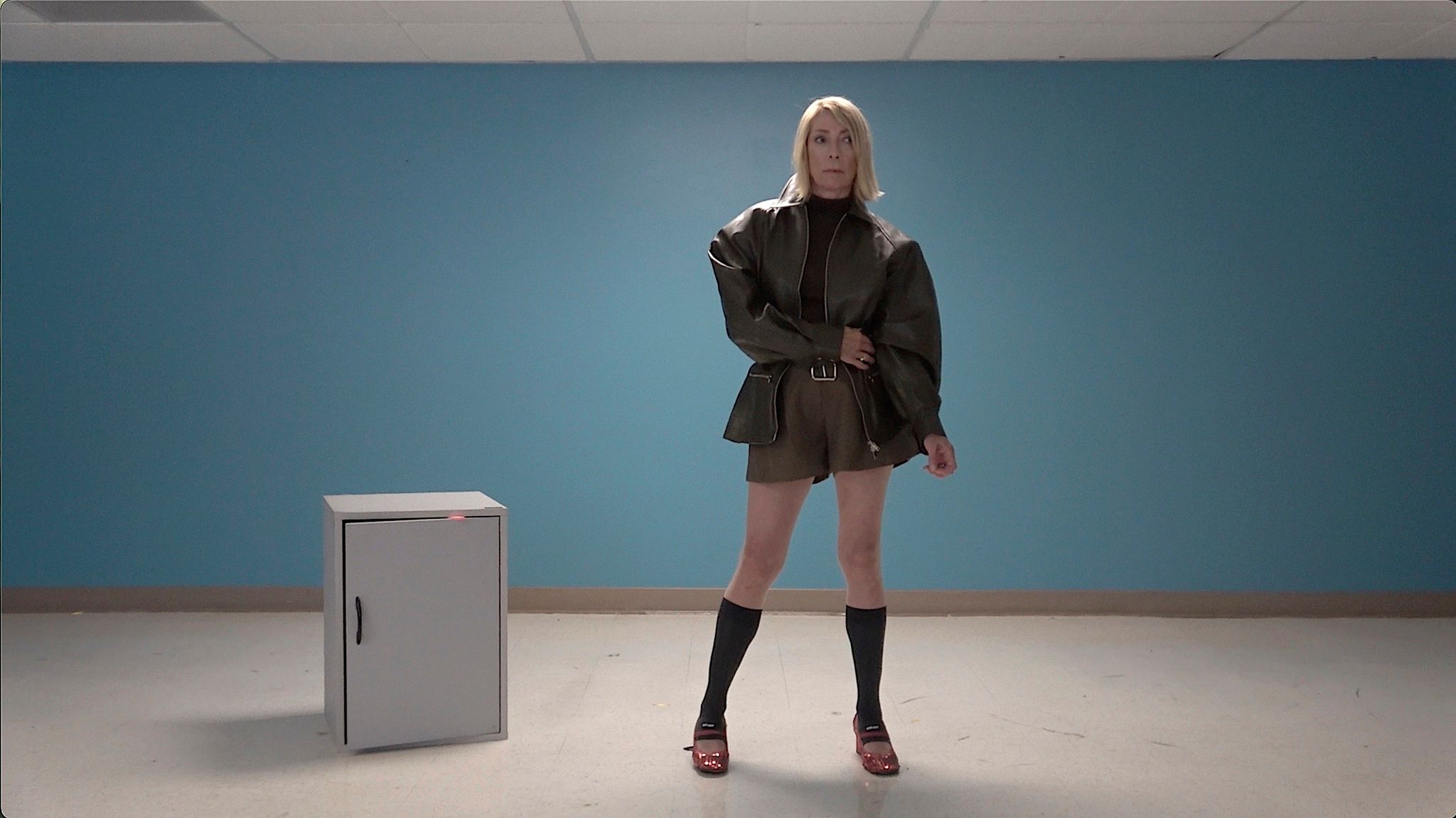
HangupsMusic.com – In an era defined by an unrelenting stream of digital content, the task of discerning truly transformative art from mere background noise has become a modern challenge. This week, the musical landscape is enriched by a diverse array of artists who are not merely releasing new material but are actively challenging the boundaries of their respective genres. From the industrial-trap fury of a post-punk icon to the delicate, ambient meditations of avant-garde composers, the current slate of releases offers a profound reflection of our contemporary anxieties and aspirations. Navigating these new drops requires an ear for nuance, as many of these projects trade in the currency of complexity, demanding a level of engagement that transcends the passive listening habits of the streaming age.

Leading the charge is the indomitable Kim Gordon with her latest offering, Play Me, released via Matador. Gordon, a founding figure of the experimental rock movement, has undergone a fascinating sonic metamorphosis in recent years. Moving away from the jagged guitar landscapes that defined her tenure with Sonic Youth, she has increasingly embraced a gritty, electronic-leaning palette. On Play Me, Gordon continues the fruitful collaboration with producer Justin Raisen that yielded 2024’s critically acclaimed The Collective. This new project, however, feels even more pointed. It is a visceral response to the encroachment of artificial intelligence, the predatory nature of tech conglomerates, and the general erosion of the human experience under late-stage capitalism.
While the "rage-rap" influences of her previous work remain a foundational element, Play Me reintroduces a distinct alternative rock sensibility that recalls the brooding atmospheres of her solo debut, No Home Record. The lead single, "Not Today," serves as a perfect bridge between these worlds, blending abrasive textures with a rhythmic drive that feels both ancient and futuristic. A notable highlight of the album is the track "Busy Bee," which features a rare guest appearance by Dave Grohl. Grohl’s thunderous percussion provides a grounded counterpoint to Gordon’s ethereal, often spoken-word delivery. Gordon herself has teased that the album features some of the most aggressive low-end frequencies in her discography, a testament to her ongoing desire to push the physical limits of sound as a medium for protest.

In the realm of experimental hip-hop, Elucid and producer Sebb Bash have delivered a masterwork titled I Guess U Had to Be There, out on Backwoodz Studioz. Elucid has long been a pillar of the New York City underground, known for his intricate lyricism and his role in the duo Armand Hammer. Following his 2024 solo effort Revelator, this new project feels like a more claustrophobic, immediate exploration of urban survival. The title itself suggests a fleeting moment or an inside joke, but the music within is anything but light. Sebb Bash’s production provides a foundation of "tape grime" and futuristic beats that sound as if they were salvaged from a decaying hard drive.
Lyrically, Elucid navigates a world defined by professional burnout and environmental collapse. He uses the metaphor of walking through a hallway of mirror shards, where every reflection offers a different, often painful, truth about the state of the world. The album is bolstered by a stellar cast of collaborators, including his Armand Hammer partner billy woods, the visionary saxophonist Shabaka Hutchings, and lyrical heavyweights like Estee Nack and Breeze Brewin. Together, they create a sonic environment that is as intellectually stimulating as it is rhythmically demanding.
.jpg)
Shifting toward the brighter, though no less complex, territory of synth-pop, Hot Chip’s Alexis Taylor returns with Paris in the Spring. Released through Night Time Stories, the album finds Taylor stepping away from the dance-floor-filling anthems of his primary band to explore a more whimsical, left-field aesthetic. This is a record defined by the concept of "freedom"—freedom from the expectations of the music industry and freedom from the rigid structures of genre. Despite being a solo endeavor, Taylor’s latest is deeply collaborative, featuring an eclectic mix of talent including The Avalanches, Pierre Rousseau of Paradis, and the legendary Green Gartside of Scritti Politti.
Paris in the Spring is a dreamy, pastoral collection that utilizes synthesizers not as tools for aggression, but as instruments of wonder. The influence of French electronic pioneers like Étienne de Crécy is palpable, lending the project a sophisticated, European flair. It is an album that feels like a leisurely stroll through a city in bloom, where the beauty of the surroundings is occasionally interrupted by moments of existential reflection.

For those seeking a more grounded, acoustic experience, Anjimile’s You’re Free to Go (4AD) offers a powerful testament to the resilience of the human spirit. The North Carolina-based singer-songwriter has often been compared to Sufjan Stevens due to his delicate falsetto and mastery of the acoustic guitar. However, where Stevens often looks outward toward mythology and geography, Anjimile’s work is deeply internal. His previous records, Giver Taker and The King, were monumental explorations of identity, faith, and the transition of gender. On You’re Free to Go, Anjimile sounds more settled, possessing a quiet confidence that radiates through every track. The songwriting here is sharp and economical, often centering on the intersection of his past and present selves. In the standout track "Waits for Me," he reflects on the childhood desire for both freedom and authenticity, a theme that resonates throughout the entire project.
The gothic-folk sensibilities of Ora Cogan also find a new home this week with the release of Hard Hearted Woman on Sacred Bones. Cogan, a veteran of the Canadian music scene, has crafted an album that feels both ancient and interstellar. By assembling a band from the vibrant noise and folk communities of Victoria, British Columbia, she has expanded her sound to include a rich tapestry of instrumentation. Wurlitzers, pedal steels, and 12-string guitars create a dense, atmospheric backdrop for her haunting vocals. Fans of the ethereal, lo-fi meditations of artists like Grouper will find much to admire here. It is music designed for the quiet hours, perfectly suited for long drives on desolate roads where the line between the terrestrial and the celestial begins to blur.

Max Clarke, performing as Cut Worms, offers a different kind of nostalgia with Transmitter. Recorded at Wilco’s famous Loft Studio in Chicago with the assistance of Jeff Tweedy, the album is a masterclass in power pop and traditional songwriting. Clarke has always possessed a troubadour’s soul, and Transmitter highlights his ability to craft melodies that feel instantly familiar yet entirely fresh. The production is warm and organic, heavily featuring pedal steel and tambourine, which gives the record a timeless, Americana-adjacent quality. While much of the album is upbeat, the spare piano ballad "Dream" showcases Clarke’s versatility and his ability to convey deep emotion with minimal accompaniment.
In the more experimental corners of the week’s releases, Laurel Halo’s Midnight Zone and Noémi Büchi’s Exuvie offer fascinating studies in sound design. Halo’s project serves as the soundtrack to a film by Julian Charrière, focusing on the journey of a lighthouse lens through the depths of the Pacific Ocean. The music is appropriately subterranean, filled with drones and aquatic echoes that evoke a sense of immense pressure and profound mystery. Meanwhile, Swiss artist Noémi Büchi draws inspiration from the grotesque beauty of Francis Bacon’s paintings and the biological process of molting insects. Exuvie is a challenging, brilliant fusion of Baroque counterpoint and post-modern glitch electronics. It is a record that rewards the patient listener, revealing layers of intricate detail with every subsequent play.
.jpg)
Finally, James Blake returns with Trying Times, his first foray into independence after a decade within the major label system. The album’s title reflects the chaotic period of its creation, during which Blake was balancing production work for global superstars with the logistical hurdles of self-management. This restless energy is channeled into a collection of alternative R&B and midtempo dance tracks that reaffirm Blake’s status as a generational talent. Trying Times is a lean, focused record that strips away the excess to reveal the core of his sound: incisive songwriting and a voice that remains one of the most expressive in modern music. As Blake enters this new chapter of his career, he does so with a renewed sense of purpose, proving that even in "trying times," the pursuit of artistic integrity remains a worthy endeavor.