
 By Azzam Bilal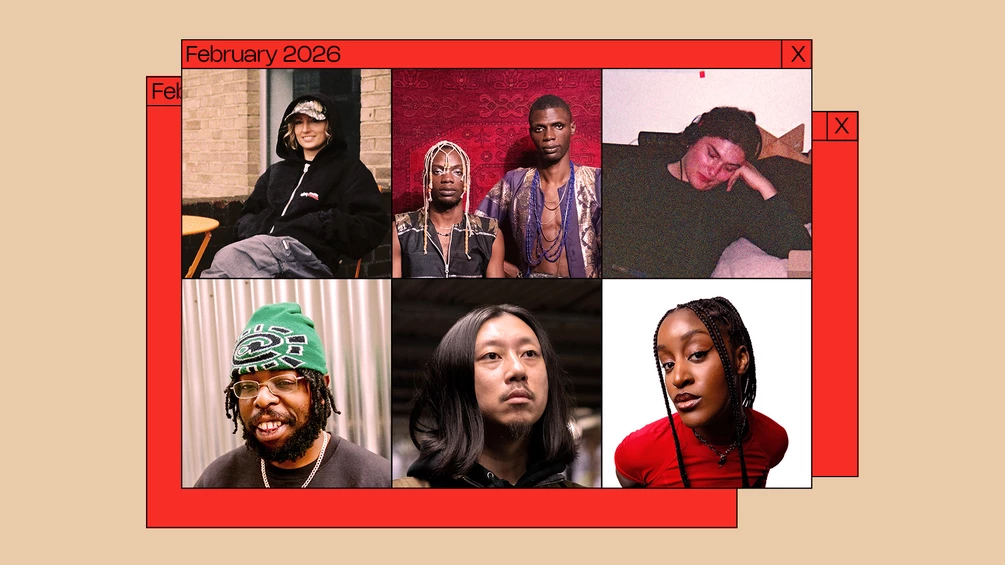
HangupsMusic.com – London, as the global electronic music scene moves deeper into 2026, the traditional boundaries of genre continue to dissolve, replaced by a focus on emotional resonance, technical innovation, and local identity. This month, a new cohort of artists is rising to the forefront, each bringing a distinct perspective to the decks and the studio. From the high-pressure rave circuits of Lagos to the introspective, quiet studios of Kyoto, these six artists represent the vanguard of a movement that prioritizes authenticity over algorithmic trends. Their work spans the spectrum of sound—incorporating the heavy low-end of UK dubstep, the cerebral textures of experimental techno, the rhythmic complexity of Fuji-house, and the gritty, lo-fi aesthetics of "splayed" hip-hop.
Jay Carder has spent over a decade refining a philosophy of DJing that centers on the sacred bond between the performer and the dancefloor. For Carder, the act of playing music is not merely a technical exercise but a "huge privilege" involving a shared psychological journey. Her background in radio provided a foundation for her wide-ranging musical knowledge, but it is her dedication to the "art of the curveball" that has made her a standout figure in the current landscape. She describes a specific "sweet spot" in her sets—a moment of total synchronization with the crowd where she can introduce the most unexpected, dissonant sounds and still maintain the energy of the room. This ability to navigate between personal artistic satisfaction and the collective needs of the audience is what defines her approach.
Carder’s sound is often described through organic metaphors; she recently embraced a peer’s description of her music as being "from the forest." This imagery captures the moody, developing, and deeply rooted nature of her selections. Whether she is blending warehouse techno with dusty drum and bass or weaving wobbly basslines into precision-engineered dubstep, there is a consistent focus on groove and clean percussion. This ethos extends to Erbium Records, the label she co-manages with Dadenii and Oliver Green. Named after a silvery-white metal that dissolves in acid, the label focuses on a "feeling" rather than a specific genre. This has resulted in a catalog that moves seamlessly from ambient soundscapes to aggressive jungle. With a string of high-profile collaborations and a highly anticipated EP on Faux Poly slated for 2026, Carder is positioning herself as a central architect of the modern UK underground.
In South London, Mysie is proving that the transition from a traditional songwriting background to the world of electronic production can yield extraordinary results. A former Ivor Novello Rising Star winner, Mysie spent years mastering indie and soul before returning to her "first love"—the electronic rhythms that soundtracked her childhood in Croydon and Streatham. Her recent work, particularly the EP SALTY, reflects a sophisticated melding of UK garage, house, and jazz. Her production style is characterized by "swung" percussion and glossy synths, often layered with her own powerful, soulful vocals.
The lyrical content of Mysie’s work is equally compelling, often addressing the modern pressures faced by emerging artists. SALTY was born from a period of frustration with the industry’s reliance on visibility and algorithms. By focusing on authenticity and recording much of her material in the intimacy of her own living room, she has created a body of work that feels both personal and universal. As she prepares for her debut album and a series of European tour dates, Mysie stands as a reminder that the most compelling electronic music often comes from those who aren’t afraid to look at the industry "sideways."
Leeds has long been a hub for DIY electronic culture, and DJ Subaru (the alias of Benny Howell) is the latest artist to carry that torch. Howell’s trajectory is a classic tale of musical evolution; having grown up in guitar bands, he found his calling on the dancefloors of Leeds’ legendary Cosmic Slop parties. Today, his sound is an unabashedly pleasure-seeking blend of house, disco, and boogie, often infused with the scuzzy energy of punk and the cosmic swagger of indie-dance. This "pleasure-first" MO has seen him become a resident at Love Muscle and a regular fixture at Berlin’s PDA.
Howell’s 2026 is set to be a landmark year with the launch of Pleasuremaxxx Records, an extension of his successful queer party series in Leeds. His production work, including a recent acid-heavy reimagining for Rhythm Section International, showcases a talent for creating dancefloor "thumpers" that don’t lose their human, handmade feel. From the northernmost tips of Norway to the main stages of the Love International festival, DJ Subaru is bringing a much-needed sense of fun and community back to the forefront of the scene.
Across the globe in Kyoto, the artist known as Naco is exploring the outer limits of techno and leftfield bass. His music feels extraterrestrial, characterized by a web of euphoric clicks, scrapes, and gurgles that defy easy categorization. Living in Kyoto provides Naco with a "healthy distance" from the urban chaos of Tokyo, allowing for an introspective approach to sound design. His latest EP, Metta, released on the Fever AM label, is a masterclass in rhythmic tension and sonic ingenuity.
Naco is also a vital curator of the Japanese electronic scene through his label, 85acid. The imprint is dedicated to showcasing domestic talent, focusing on mid-tempo tracks and experimental bass music. By fostering a community of producers who share his commitment to sound design, Naco is helping to put Kyoto on the map as a center for avant-garde electronic production. His plans for 2026 include a series of physical and digital releases that promise to further push the boundaries of the "Japanese bass" sound.
In Lagos, the duo FÄĒM—consisting of brothers Demi and Fapelo—is redefining the intersection of traditional Nigerian sounds and contemporary electronic music. Their upcoming LP, What Are We Doing Here?!, is a propulsive exploration of existential angst and creative liberation. The brothers began their journey through the "Hobsitronik" mixtape series in 2018, which served as a cultural meeting point for various genres. Today, they are central figures in the Lagos rave circuit, known for their "Fuji House" style—a fusion of Fuji classics with modern electronic structures.
For FÄĒM, music serves as a therapeutic outlet, a way to process the complexities of life in a rapidly changing world. Their new 16-track album pairs rousing lyricism with rhythms influenced by everything from deep house to dubstep. They refuse to be boxed in by genre labels, insisting that their sound is defined by its emotional honesty rather than a specific BPM. As they continue to innovate within the Nigerian electronic scene, FÄĒM is proving that the most exciting music often happens when artists stop asking what they "should" be doing and start asking what they are doing.
Finally, Birmingham’s Tony Bontana is making waves with a style he calls the "splayed" sound. This aesthetic is characterized by degraded samples, non-linear beats, and deeply introspective lyricism. His new album, My Name, is a hazy, lo-fi journey that mixes submerged soul loops with abstract electronics. Bontana is an incredibly prolific artist, balancing his solo hip-hop work with a guitar band and ambient projects.
Bontana’s delivery is raw and melancholic, reminiscent of underground icons like billy woods or MF DOOM, yet he draws from a diverse range of influences including Prefab Sprout and the Cleaners From Venus. His ability to produce for others while maintaining a distinct personal brand has made him a vital voice in the UK’s experimental rap scene. With a focus on ambient textures in his upcoming Scream Songs 3, Bontana continues to challenge the expectations of what a modern MC and producer can be.
As February 2026 unfolds, these six artists illustrate the diverse paths available to the modern creator. Whether through the preservation of community spaces, the exploration of sound design, or the fusion of cultural heritages, they are collectively ensuring that the future of electronic music remains as unpredictable as it is vibrant. Their rise suggests that the most enduring talent is not found in the pursuit of fame, but in the pursuit of a sound that is undeniably, authentically their own.