
 By Azzam Bilal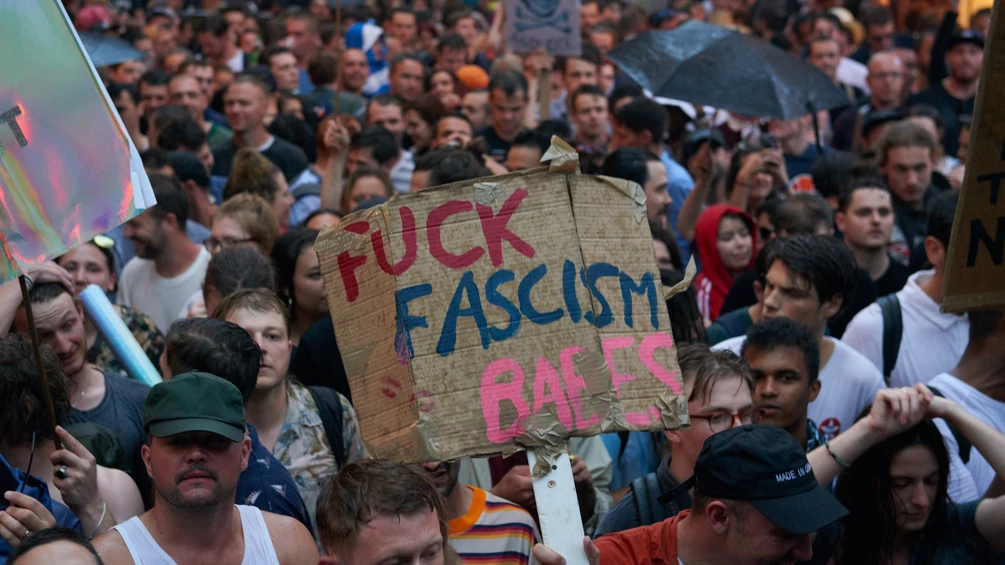
HangupsMusic.com – London, the heart of the United Kingdom’s political and cultural landscape is preparing to host a significant intersection of electronic music and grassroots activism. Later this month, the iconic Trafalgar Square will be transformed into a site of sonic defiance as R3 Soundsystem organizes "House Against Hate," a massive anti-racism protest rave. Scheduled for Saturday, March 28th, the event is timed to coincide with a national demonstration organized by the Together Alliance, aiming to present a unified front against the rise of far-right ideologies and systemic discrimination within the country. Between the hours of 1 PM and 6 PM, the square will vibrate not just with the low-end frequencies of house and techno, but with a collective demand for social justice and multicultural solidarity.
The upcoming gathering represents a continuation of a vital tradition within the British electronic music scene: the use of the dance floor as a platform for political expression. Organized in collaboration with a broad coalition of advocacy groups—including Together Alliance, Choose Love, Amnesty International, the Black Artist Database, Love Music Hate Racism, and Homo-Centric Records—the event seeks to bridge the gap between the escapism of club culture and the urgent realities of the current socio-political climate. By bringing high-profile artists into a public, protest-oriented space, R3 Soundsystem aims to reclaim the radical roots of dance music, moving it away from the confines of exclusive clubs and back into the streets where it can serve as a catalyst for change.
The musical programming for "House Against Hate" is as formidable as its message. The lineup features a diverse array of influential figures who have shaped the trajectory of contemporary electronic music. Among the headliners is Ben UFO, the Hessle Audio co-founder known for his unparalleled technical skill and eclectic selection that spans the entirety of the dance music spectrum. Joining him is Shygirl, a multidisciplinary artist whose avant-garde approach to pop and club sounds has garnered international acclaim. The lineup also includes the legendary synth-pop and electronic outfit Hot Chip, whose presence brings a seasoned, melodic sensibility to the afternoon’s proceedings.
Adding to the depth of the roster is Daniel Avery, an artist celebrated for his atmospheric and immersive techno, and Tash LC, a DJ and broadcaster renowned for her expertise in global sounds and high-energy club music. The inclusion of Horse Meat Disco ensures a celebratory, queer-centric energy that pays homage to the disco roots of modern house music. Meanwhile, DJ Paulette, a pioneer who broke barriers at Manchester’s legendary Haçienda, brings decades of experience and cultural authority to the decks. The bill is further bolstered by L-Vis 1990, a key figure in the evolution of the UK’s bass and ballroom-influenced scenes, alongside R3 Soundsystem’s own founder, Gideon.
Gideon, a DJ and activist who has long been a vocal proponent of political engagement within the music industry, emphasized the urgency of this particular mobilization. In a press statement regarding the event, he noted that the current political atmosphere has reached a tipping point. He pointed to the escalation of anti-immigration and anti-trans rhetoric from far-right factions as a primary motivator for the rave. Furthermore, he highlighted how recent international conflicts, specifically the humanitarian crisis in Gaza and the UK’s involvement in geopolitical tensions, have served to galvanize the dance music community. According to Gideon, the event is a necessary response to attempts to dismantle the multicultural fabric of British society.
The philosophy of R3 Soundsystem is distilled into its "Three Rs," which serve as the guiding principles for "House Against Hate." The first "R" stands for REJECT, specifically targeting the rise of far-right movements within Britain. The second, REVOLT, focuses on the ongoing struggle against racism in the UK, advocating for a more equitable and inclusive society. The third, RESIST, takes a more internal look at the music industry itself, calling for a stand against the encroaching corporate influence that many believe has sanitized and commodified the once-rebellious spirit of dance music. This tripartite mission underscores the group’s belief that cultural production cannot be separated from the political environment in which it exists.
This is not the first time R3 Soundsystem has utilized the "mobile protest rave" format to address pressing issues. The collective has a history of organizing high-impact events that respond to specific political moments. In 2019, they orchestrated a massive protest rave that focused on the leadership of Donald Trump, Boris Johnson, and Nigel Farage, drawing thousands to the streets of London. In 2022, the group pivoted to humanitarian efforts, hosting a fundraising event to support those affected by the conflict in Ukraine. More recently, in 2024, they continued their anti-racism efforts with a similar mobile setup. Each of these events has reinforced the idea that the energy of a rave can be redirected toward collective action and fundraising for marginalized communities.
The choice of Trafalgar Square as the venue is deeply symbolic. Historically, the square has been the site of countless demonstrations, from the anti-apartheid protests of the 1980s to the poll tax riots and modern environmental movements. By placing a "huge stack" of speakers in this historic space, R3 Soundsystem is inserting the voices of the electronic music community into a long lineage of British dissent. The visual and auditory spectacle of thousands of people dancing in front of the National Gallery and Nelson’s Column serves as a powerful image of resistance, contrasting the joy of communal movement with the somber reality of the issues being protested.
The involvement of organizations like the Black Artist Database and Amnesty International highlights the intersectional nature of the event. The Black Artist Database has been instrumental in advocating for the recognition and fair compensation of Black creators within the electronic sphere, while Amnesty International brings a global human rights perspective to the local issues being addressed. Love Music Hate Racism, a long-standing organization born out of the Rock Against Racism movement of the 1970s, provides a historical link to past generations of musicians who used their art to fight bigotry. These partnerships ensure that "House Against Hate" is more than just a party; it is a coordinated effort to provide resources, education, and a platform for those working on the front lines of social change.
As the date approaches, the organizers are encouraging attendees to view the event as a "reboot" of the tradition of dance music as a tool for revolution. In his statement, Gideon expressed a desire to "kick-start the revolution, united as one," suggesting that the energy generated on March 28th should be carried forward into long-term activism. The event aims to prove that the dance music community is not a passive or apolitical demographic, but a diverse and powerful force capable of mobilizing in the face of injustice.
For those planning to attend, the message is clear: the afternoon will be a blend of high-caliber musical performance and serious political engagement. The organizers have utilized social media, particularly Instagram, to provide updates on the full lineup and logistical details, fostering a sense of community anticipation. By offering a space where people can gather to "recognize and resist" the dismantling of UK multiculturalism, R3 Soundsystem is attempting to create a temporary autonomous zone where the values of inclusivity and solidarity are not just discussed, but actively lived.
In an era where the music industry is often criticized for its detachment from social issues, "House Against Hate" stands as a reminder of the power of collective sound. As the bass echoes through the streets of Central London on March 28th, it will carry with it a message of rejection, revolt, and resistance—a sonic testament to the enduring belief that music remains one of the most effective ways to unite people against the forces of division.