
 By admin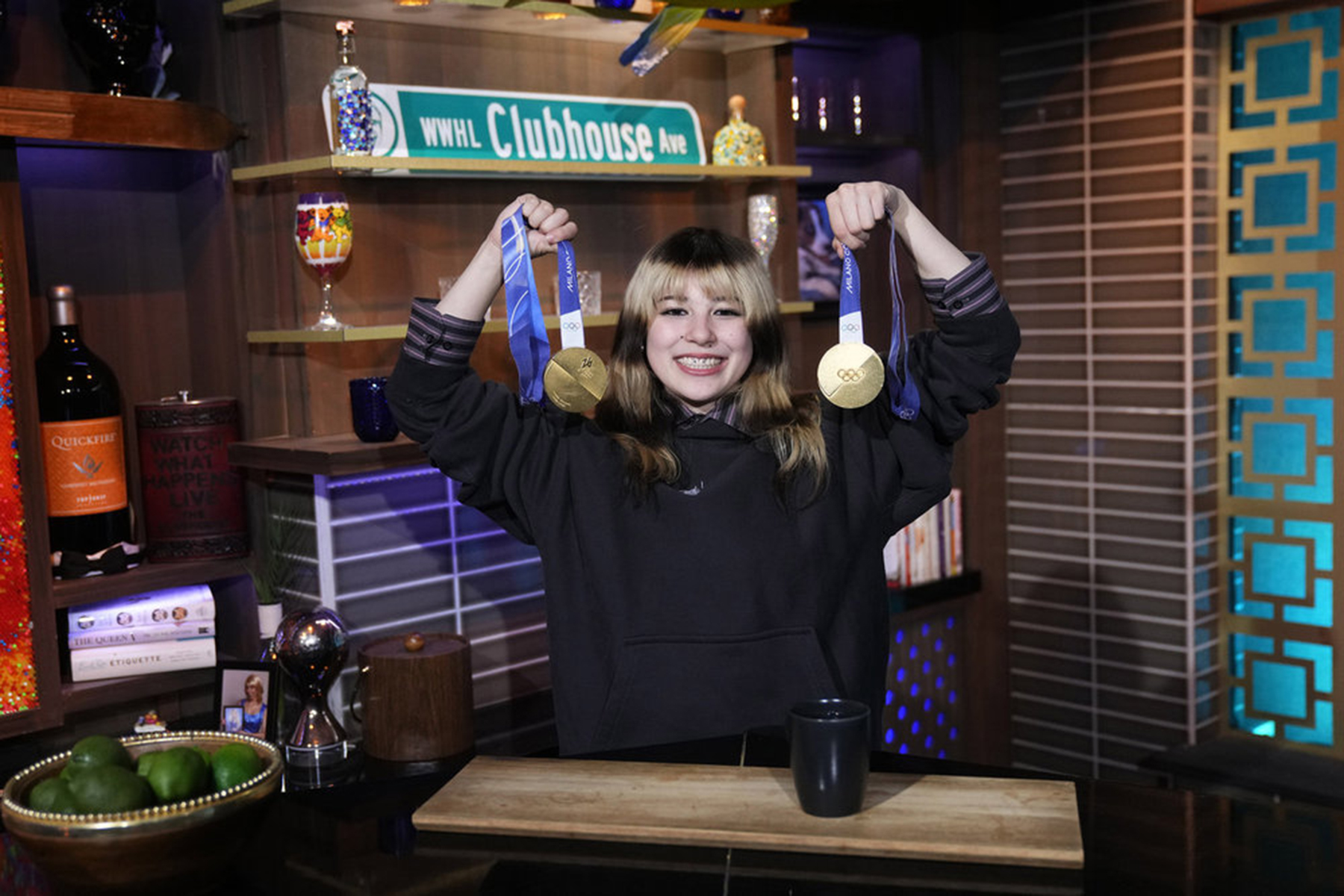
HangupsMusic.com – The intersection of elite athleticism and popular culture rarely manifests as distinctly as it has with Olympic Gold Medalist Alysa Liu, whose recent appearance on Watch What Happens Live with Andy Cohen offered a fascinating glimpse into the sonic landscape that fuels her unparalleled performances. Far from merely discussing her triumphs on the ice, Liu unveiled her deeply personal and surprisingly influential music tastes, demonstrating how a skater’s artistic choices can send ripples through the global music industry, propelling forgotten classics and burgeoning indie hits alike onto the charts. Her candid conversation with Cohen underscored a growing phenomenon where the curated playlists of prominent figures transcend personal preference to become significant drivers of music discovery and consumption.
Liu, celebrated for her remarkable comeback to competitive figure skating, has always approached her craft with a blend of technical brilliance and profound artistic expression. Her return to the sport, particularly after a brief retirement at the tender age of 16 in 2022, was contingent upon specific conditions, chief among them the autonomy to select her own program music. This declaration was not merely a stylistic preference but a statement of artistic intent, one that has now proven to have tangible commercial implications for the artists she champions. During her segment on WWHL, flanked by her two hard-won Olympic medals, Liu delved into the narratives behind her choices, beginning with the iconic Donna Summer track, "MacArthur Park."
The selection of "MacArthur Park" for her gold-medal-winning freestyle skate was, by Liu’s own admission, an inspired recommendation. "I was recommended by someone to listen to that song," Liu shared with Cohen, detailing how she subsequently discovered a sprawling 16-minute suite version that truly "took it to another level." This particular version, with its dramatic orchestral build-ups, soaring vocals, and disco crescendo, provided the perfect canvas for Liu’s intricate choreography and powerful presence. The synergy between Liu’s performance and Summer’s timeless anthem was undeniable, propelling her from a third-place standing to the coveted gold in women’s individual figure skating. But the impact didn’t stop at the podium. The "Liu effect" swiftly translated into a remarkable resurgence for the 1978 hit. Following her Olympic triumph, "MacArthur Park" rocketed to the top of Billboard‘s Dance Digital Song Sales chart, marking Donna Summer’s fourth posthumous No. 1 hit and introducing a disco classic to an entirely new generation of listeners who might never have encountered it otherwise. This phenomenon highlights the enduring power of classic tracks when paired with compelling contemporary cultural moments.
Liu’s influence on music consumption extends beyond merely reviving classics. Her eclectic taste also shines a spotlight on contemporary artists, amplifying their reach exponentially. Take, for instance, PinkPantheress, the British alt-pop sensation known for her distinctive blend of UK garage, drum & bass, and lo-fi aesthetics. Liu’s choice to skate to "Stateside" by PinkPantheress and Zara Larsson for her closing gala performance triggered an astonishing 88% surge in streams for the track just one day after the event. This dramatic increase underscores the immediate and widespread impact an Olympian’s platform can have, transforming a niche favorite into a trending sensation overnight.
Similarly, the ethereal jazz-pop sounds of Laufey found an unexpected boost thanks to Liu. Her short program set to Laufey’s melancholic yet hopeful "Promise" amassed an impressive 1.3 million streams within just four days of its broadcast. Laufey, an Icelandic-Chinese artist whose music often draws comparisons to classical jazz and modern indie, resonates deeply with Gen Z audiences. Liu’s endorsement brought Laufey’s intricate melodies and introspective lyrics to a massive global audience, showcasing the emotional depth and versatility of her music within the demanding artistic framework of figure skating. These instances illustrate how Liu acts as a cultural bridge, connecting disparate musical genres with the mainstream appeal of Olympic sports, effectively curating a global playlist for millions.
The conversation with Andy Cohen naturally progressed to Liu’s aspirations for future programs, revealing a diverse and intriguing wish list of tracks she hopes to incorporate. Her choices spanned genres and eras, further cementing her reputation as a true music aficionado with an ear for both the dramatic and the subtly profound. Among her runner-up selections were "Fire in My Heart" by Escape From New York, showcasing a penchant for perhaps lesser-known but impactful tracks; Billie Eilish’s "Chihiro," a Billboard Hot 100 hit that reflects Liu’s engagement with contemporary chart-toppers and their complex emotional landscapes; the timeless classical grandeur of Tchaikovsky’s "Swan Lake," a nod to figure skating’s rich traditional roots; and Mitski’s "Star," another indie darling whose raw, evocative lyricism and atmospheric sound would undoubtedly lend themselves to a powerful performance.
However, the undeniable top choice for Liu’s future skates was another PinkPantheress track: "Capable of Love." This further solidifies PinkPantheress’s position as a dominant force in Liu’s personal soundtrack and a strong contender for future Olympic programs. The skater’s enthusiasm for PinkPantheress was palpable, especially when she excitedly recounted hearing directly from the artist herself after the "Stateside" performance. "She’s so nice," Liu beamed, a testament to the genuine connection forged between artist and athlete, and a heartwarming anecdote that resonated with fans of both. This mutual admiration highlights the organic nature of Liu’s music choices, rooted in authentic appreciation rather than strategic placement.
Liu’s return to competitive skating was a carefully considered decision, made with clear parameters. Her insistence on selecting her own music for her programs was not merely about personal taste; it was about reclaiming her artistic voice and ensuring that every element of her performance resonated authentically with her. This autonomy has not only empowered her as an artist but has also inadvertently turned her into an unexpected tastemaker in the music industry. The "Liu effect" demonstrates the significant cultural capital that elite athletes possess, extending their influence far beyond the confines of their sport.
The symbiotic relationship between figure skating and music is profound. Music is not just background noise; it is the narrative backbone, the emotional compass, and the rhythmic pulse of every program. It dictates the skater’s flow, pace, and dramatic interpretation, transforming athletic prowess into an artistic masterpiece. Liu’s thoughtful and impactful selections have elevated this relationship, proving that the right piece of music, when paired with a transcendent performance, can create a viral cultural moment that benefits both the athlete and the artist.
As the world looks ahead to future Olympic cycles, particularly the 2030 Winter Olympics, one can anticipate that Alysa Liu’s music choices will continue to be a subject of keen interest. Her ability to unearth forgotten gems and catapult rising stars into the global consciousness positions her as a unique influencer in the music world. It wouldn’t be surprising if we hear a few more PinkPantheress tracks, or perhaps discover entirely new artists, gracing the ice at future competitions, all thanks to the discerning ear and captivating performances of Alysa Liu. Her journey underscores a fascinating evolution in celebrity influence, where genuine passion for music, expressed on the world’s grandest stages, can profoundly reshape popular listening habits and chart trajectories.