
 By admin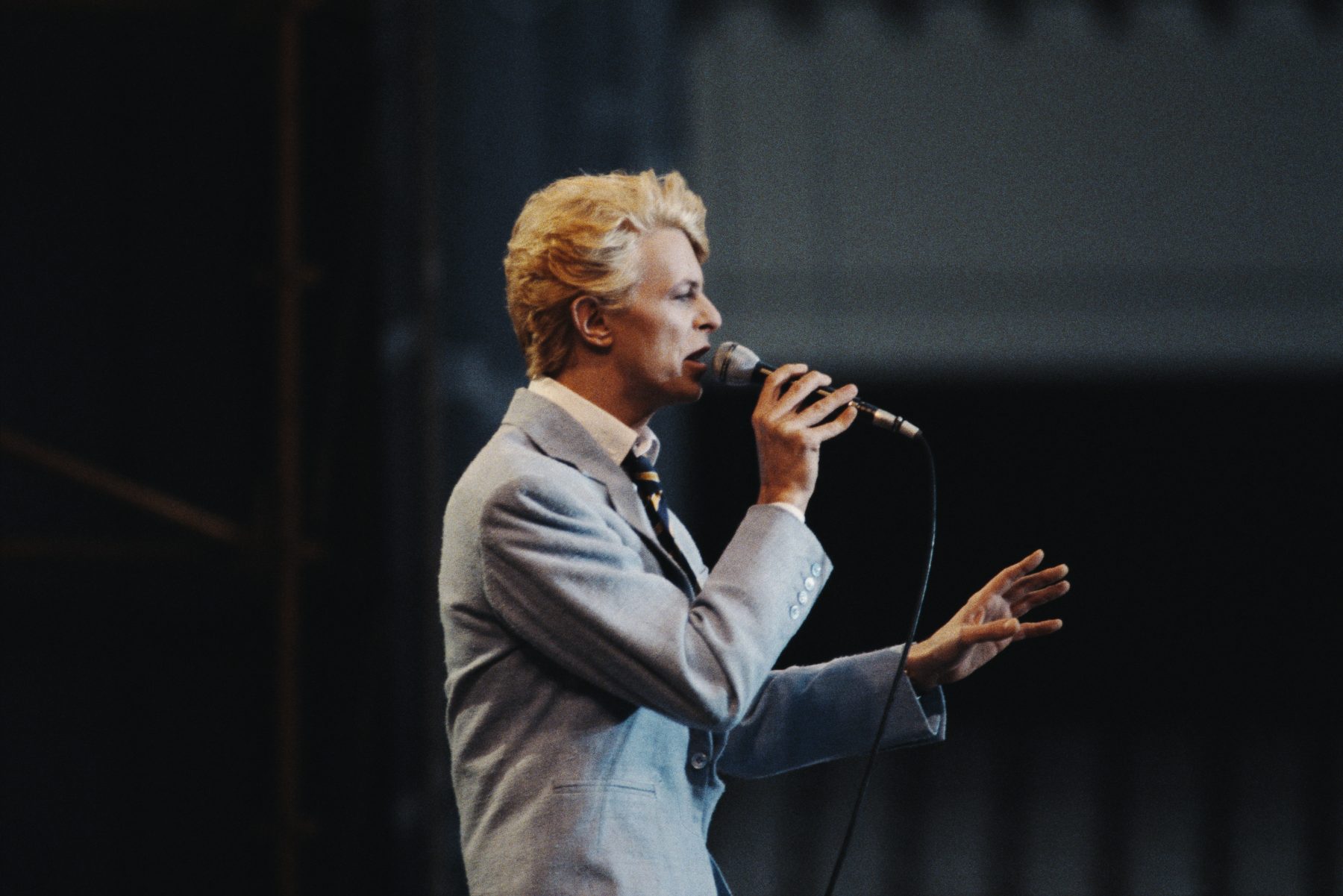
HangupsMusic.com –
David Bowie, the quintessential artistic shape-shifter, spent the 1970s meticulously crafting a legacy as rock’s most fearless innovator. From the glitter-drenched theatrics of Ziggy Stardust to the dystopian elegance of the Thin White Duke, and the experimental soundscapes of his Berlin Trilogy, Bowie consistently pushed boundaries, redefining what popular music could be. While he reigned as an undisputed cultural icon in his native United Kingdom, his commercial footprint in the United States often proved more erratic, punctuated by critical acclaim but less consistent chart domination. As the new decade dawned, Bowie found himself in an unfamiliar commercial lull stateside, having released several albums that, despite their artistic merit, hadn’t yielded major American hits. This period of relative commercial quietude, however, was merely the calm before a monumental storm. In 1983, Bowie engineered a calculated, yet profoundly impactful, pivot towards mainstream pop success, a move that would elevate him to an unprecedented echelon of global superstardom, even if it left both the artist and many of his long-standing devotees with a complex, often uneasy, relationship to this dazzling new chapter.
This pivotal year, characterized by chart-topping singles, omnipresent music videos, and his most ambitious global tour to date, is the focal point of a recent episode of the "Greatest Pop Stars" podcast’s "Vintage Pop Stardom" series. Commemorating a decade since the legendary artist’s passing in 2016, the podcast delves into the intricate mechanics of Bowie’s 1983 pop ascent, dissecting how the era’s most celebrated outsider rock star seamlessly integrated into pop’s inner sanctum. Host Andrew Unterberger, joined by Chris Molanphy of Slate and the acclaimed "Hit Parade" podcast, offers a comprehensive retrospective, examining why this period continues to hold significant esteem for many, even as some devout Bowiephiles and Bowie himself in later years expressed more nuanced, even mixed, feelings about its artistic direction.
The conversation naturally gravitates towards the driving forces behind Bowie’s audacious embrace of pop in 1983. By the early ’80s, the musical landscape was shifting dramatically. New Wave had softened rock’s edges, synthesizers were ubiquitous, and dance music was commanding airwaves. Bowie, ever the astute observer of cultural currents, recognized an opportunity. His collaboration with Nile Rodgers, the visionary producer and guitarist of Chic, proved to be the masterstroke. Rodgers brought a sleek, modern funk sensibility and a pristine pop sheen to Bowie’s songwriting, creating an alchemy that was both accessible and undeniably sophisticated. The question arises: was the Top 40 of 1983 merely catching up to Bowie and Rodgers’ forward-thinking fusion, or were they strategically bending their sound to meet the prevailing commercial winds? The truth, perhaps, lies in a masterful blend of both, a symbiotic relationship where artistic evolution met market demand.
The resulting album, Let’s Dance, was an immediate and colossal triumph. Its titular single, a propulsive, horn-driven anthem, soared to number one globally, becoming one of Bowie’s most recognizable tracks. "China Girl," co-written with Iggy Pop, and "Modern Love," an infectious, upbeat rock ‘n’ roll number, quickly followed suit, cementing the album’s status as a triple-threat hit factory. These songs, while undeniably pop-oriented, retained Bowie’s signature theatricality and lyrical depth, offering a gateway drug for new fans while providing a sophisticated groove for existing ones.
Crucially, 1983 marked the nascent era of MTV, a visual medium Bowie exploited with unparalleled artistry. His intrinsic understanding of image and narrative made him a natural fit for the burgeoning music video landscape. The videos for "Let’s Dance," "China Girl," and "Modern Love" were not mere promotional clips; they were cinematic statements, rich with symbolism and compelling visuals. The "Let’s Dance" video, shot in Australia, cleverly critiqued Western cultural imperialism and racism, embedding a thoughtful message within its infectious rhythm. "China Girl," however, proved more contentious. While ostensibly a commentary on racism and xenophobia, its imagery, featuring an Asian woman in stereotypical exoticized poses, sparked considerable debate then and continues to do so decades later. The podcast thoughtfully dissects the complexities of "China Girl," pondering whether its provocative intentions ultimately justify its problematic execution in the context of modern sensibilities.

Beyond the album’s smash hits, the discussion probes the broader artistic merit of Let’s Dance. Is there genuine depth and enduring quality beyond the radio staples, or does the rest of the album fade into the background? While some argue the album’s cohesion is primarily driven by its singles, others point to tracks like "Cat People (Putting Out Fire)" and "Ricochet" as showcasing a more experimental side still firmly rooted in the album’s dance-rock aesthetic.
The commercial explosion of Let’s Dance was amplified by the "Serious Moonlight" Tour, a global spectacle that became Bowie’s largest and most ambitious to date. Playing to millions across continents, the tour cemented his status as a stadium-filling titan, a far cry from the more intimate, albeit iconic, performances of his earlier career. This massive exposure undeniably broadened his appeal, introducing him to a new generation of fans who might have found his earlier, more avant-garde work less accessible.
1983 also saw Bowie venture further into the realm of cinema. He starred in Nagisa Ōshima’s Merry Christmas, Mr. Lawrence, a critically acclaimed war drama, and appeared in Tony Scott’s atmospheric vampire film The Hunger. These roles demonstrated his continued commitment to artistic exploration beyond music. However, the podcast raises a pertinent question: why did Bowie, despite his undeniable charisma and striking screen presence, never quite achieve the same level of consistent film stardom as he did in music? Perhaps his chameleonic nature, so advantageous in music, sometimes worked against him in film, where audiences often crave a more consistent persona.
Ultimately, the "Vintage Pop Stardom" episode grapples with the enduring legacy of ’83 Bowie. Does this era, characterized by its commercial zenith and widespread appeal, deserve to be remembered as fondly as the revolutionary Ziggy Stardust or the introspective Berlin period? For many, the pop polish of Let’s Dance represents a necessary, if sometimes artistically contentious, evolution that secured Bowie’s place in the pantheon of global superstars. For others, it marked a slight deviation from the relentless artistic innovation that defined his earlier work. The podcast masterfully navigates these differing perspectives, acknowledging the strategic brilliance of the period while candidly addressing the artistic compromises and cultural complexities.
This deep dive into David Bowie’s 1983 is an essential listen for both long-time aficionados and new listeners seeking to understand the intricacies of pop stardom. Available on Apple Music, Spotify, and other major podcast platforms, the "Greatest Pop Stars" podcast offers weekly discussions every Thursday, continuing its exploration of the artists who have shaped and redefined popular music.