
 By Azzam Bilal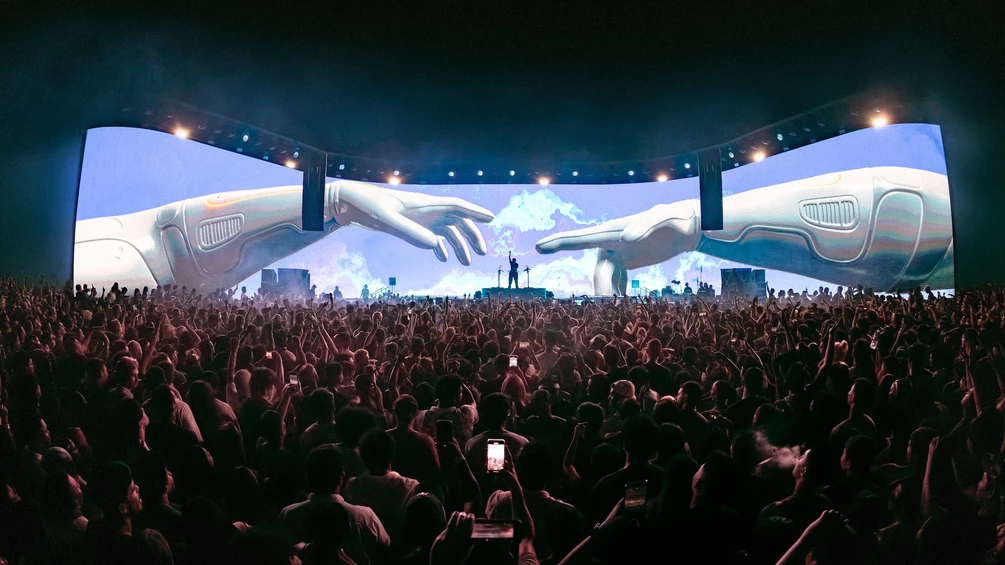
HangupsMusic.com – New York, The landscape of New York City’s electronic dance music scene is poised for a monumental shift as the iconic "cherries" of the Pacha brand prepare to once again dominate the skyline. In a move that signals the end of a tumultuous era for one of the world’s most famous clubbing destinations, it has been officially confirmed that the sprawling Avant Gardner complex—home to the world-renowned Brooklyn Mirage—has been acquired by the Dubai-based hospitality giant FIVE Holdings. This acquisition marks the beginning of a new chapter for the Williamsburg venue, which will be rebranded and reopened as Pacha New York this coming summer.
The announcement comes after a grueling year of financial uncertainty and legal battles that left the future of the 140 Stewart Avenue site in doubt. The Avant Gardner complex, which includes the open-air Brooklyn Mirage, the industrial Great Hall, and the more intimate Kings Hall, has been a cornerstone of the global touring circuit, but its operations were halted by a series of cascading crises. Following a summer plagued by construction delays and permit disputes that saw several high-profile events canceled at the last minute, the venue’s former operators filed for Chapter 11 bankruptcy protection in August. At that time, the primary lender, Axar Capital Management, took control of the asset in a deal valued at approximately $110 million.
The transition from Axar Capital to FIVE Holdings was not without its hurdles. For months, rumors swirled regarding the ultimate fate of the venue, with many fearing that the site would be sold for industrial redevelopment or remain shuttered indefinitely. According to reports and court filings, the deal was nearly derailed as recently as late January. A group of unsecured creditors, to whom the previous ownership owed substantial sums, raised significant objections in bankruptcy court. They accused Axar Capital of maneuvering behind the scenes to facilitate a "secret" sale to Pacha’s parent company, claiming that the transparency of the bidding process had been compromised.
However, after intense negotiations, a resolution was reached. The creditors withdrew their objections once a settlement was finalized, clearing the legal path for FIVE Holdings to assume ownership. With the bankruptcy court’s approval and the resolution of "all material matters" regarding the sale, the path is now clear for the venue’s grand transformation.
The acquisition is a strategic masterstroke for FIVE Holdings, a company that has rapidly expanded its footprint in the global entertainment and hospitality sectors. Led by owner Kabir Mulchandani, FIVE Holdings has built a reputation for luxury and high-energy nightlife, most notably through its flagship properties in Dubai and its recent acquisition of the Pacha Group’s legendary assets in Ibiza. By bringing the Pacha brand back to New York, Mulchandani is not just opening a nightclub; he is re-establishing a legacy.
"This acquisition is a defining moment in our global journey," Mulchandani stated in a press release. He emphasized that the move into the New York market is far more than a simple business expansion. "For us, New York is not simply a new chapter—it is a statement of intent about the scale of our aspirations and the cultural impact we are here to create."
The Pacha name carries immense weight in the history of New York City nightlife. The brand first established a footprint in the city in 2005, taking over a massive four-story building in Hell’s Kitchen. For a decade, Pacha NYC served as the epicenter of the city’s dance music culture, hosting legendary residencies and serving as the primary destination for the "EDM explosion" of the early 2010s. When it closed its doors in January 2016, it left a void in the Manhattan clubbing scene that many felt was never truly filled. The brand’s return to New York, albeit in a different borough and a vastly different venue format, is a full-circle moment for fans who remember the 46th Street era.
The new Pacha New York is scheduled to launch its inaugural season in June, with operations running through October. This seasonal model mirrors the traditional Ibiza summer schedule and aligns with the open-air nature of the Brooklyn Mirage portion of the complex. While the specific artist lineups for the 2024 season remain under wraps, the new operators have promised a "world-class" roster. The goal is to blend international superstars—the kind of headliners who command main stages at Coachella and Tomorrowland—with the "homegrown talent" that has long been the lifeblood of the Brooklyn underground scene.
One of the most significant aspects of the takeover is the planned evolution of the indoor spaces. While the Brooklyn Mirage is the "jewel in the crown" due to its massive 200-foot wide LED screen and immersive outdoor environment, the Great Hall is also slated for substantial upgrades. According to the transition plan, the Great Hall will continue to operate as a year-round "multi-genre arena." The intent is to move beyond the venue’s reputation as a strictly electronic music space, opening the doors to live bands, experimental acts, and "next-generation sounds" that defy easy categorization. This diversification could help the venue remain a constant cultural force in Brooklyn even during the cold winter months when the outdoor Mirage is dormant.
The stakes for this reopening are high. The Brooklyn Mirage, under its previous management, became both a symbol of New York’s nightlife dominance and a lightning rod for controversy. While it won "Best Club" awards and hosted once-in-a-lifetime sets from the likes of Drake and Skrillex, it also faced scrutiny over safety protocols and its impact on the surrounding industrial neighborhood. By installing a global powerhouse like FIVE Holdings and the seasoned infrastructure of the Pacha brand, there is an expectation of a more professionalized, "gold-standard" approach to venue management.
The return of Pacha also signifies the continued shift of New York’s nightlife gravity toward the outer boroughs. While the original Pacha NYC was a Manhattan institution, the new iteration embraces the industrial-chic aesthetic of the East Williamsburg/Bushwick border—a neighborhood that has become the undisputed capital of North American techno and house music. The presence of a massive, corporate-backed brand like Pacha alongside grassroots venues and independent promoters like Teksupport and Cityfox suggests that the area’s nightlife economy is entering a phase of mature consolidation.
Industry observers are particularly interested to see how the "Pacha aesthetic"—often associated with the glitz and glamour of the Mediterranean—will translate to the raw, concrete-heavy environment of Stewart Avenue. The Brooklyn Mirage already boasts some of the most advanced production technology in the world, and with the financial backing of FIVE Holdings, the potential for further technological innovation is vast.
As the June reopening approaches, the excitement within the electronic music community is palpable. For many, the transition represents a "reset button" for a venue that had become mired in the complexities of bankruptcy and administrative delays. The promise of a fresh start under the Pacha banner offers hope that the venue can return to what it does best: providing a transcendental sensory experience for thousands of music lovers under the Brooklyn stars.
The legal and financial resolution of the Avant Gardner saga marks the end of a long period of uncertainty for New York’s nightlife industry. With the "Cherries" set to rise over the Mirage this June, the city prepares for a summer season that promises to be one of the most significant in recent memory. As Kabir Mulchandani and FIVE Holdings look toward their New York debut, they aren’t just buying a building; they are inheriting a piece of the city’s soul, with the intention of making it shine brighter than ever before.