
 By Azzam Bilal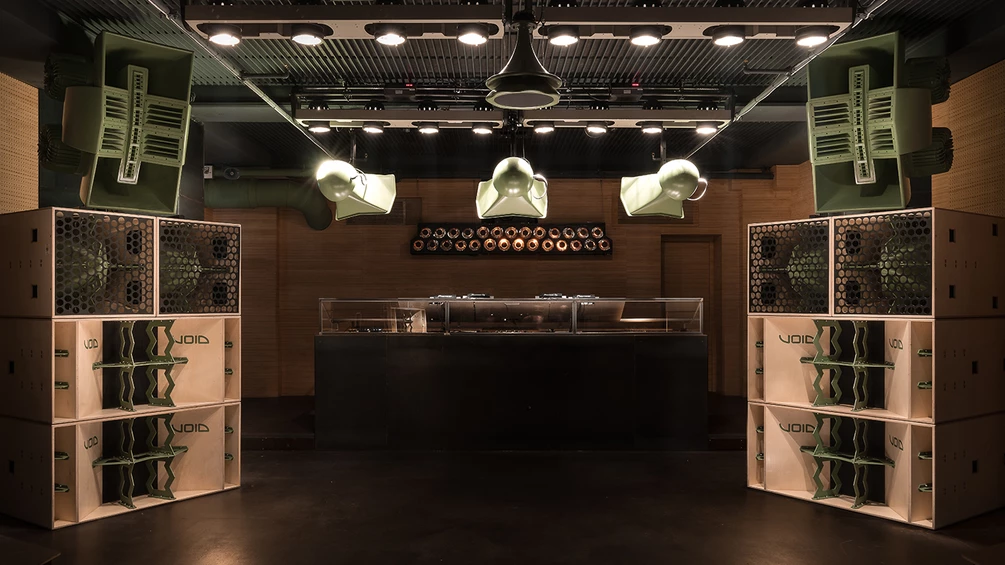
HangupsMusic.com – Munich, Germany, The Bavarian capital is preparing to bid farewell to one of its most influential cultural landmarks as the team behind BLITZ has officially announced the permanent closure of the venue. In a move that has sent shockwaves through the European electronic music community, the celebrated club, located within the historic complex of the Deutsches Museum, confirmed that it will cease operations following a final, extended run of parties. While the news marks the end of a transformative era for Munich’s nightlife, the management has promised a departure that honors the club’s legacy of sonic excellence and inclusivity. According to the official timeline, the curtain will finally fall in 2026, with a significant closing weekend scheduled from Friday, July 31st, to Monday, August 3rd, marking the conclusion of nearly a decade of influence.
Since its inception in April 2017, BLITZ has stood as a beacon of forward-thinking club culture in a city often characterized by its traditionalism and high-society leanings. The venue, which occupies a 600-capacity space in the Ludwigsvorstadt-Isarvorstadt district, was born from a desire to provide Munich with a "temple of dance"—a space where the purity of the musical experience took precedence over all else. The announcement of its impending closure was shared via an emotional statement on social media, where the founders reflected on the journey that began with a lease signed nearly ten years ago. They described the project as a dream rooted in the "powerful simplicity of dancing together," acknowledging that while the journey was not without its hurdles, the result was a community that grew far beyond their original expectations.
The decision to close is not a reflection of the club’s popularity or financial viability, but rather a consequence of external pressures. The management noted that "reasons beyond our control" have necessitated the move, a phrase often associated in the nightlife industry with the complexities of urban development, lease expirations, or the repurposing of historic municipal buildings. BLITZ is famously situated in the Forum of the Deutsches Museum, one of the world’s oldest and largest science and technology museums. This unique location provided a brutalist, industrial backdrop that perfectly complemented the club’s aesthetic, but it also placed the venue within a complex web of institutional regulations and long-term architectural renovations.
From its very first night, BLITZ distinguished itself through its uncompromising focus on technical perfection. The club’s interior was a marvel of acoustic engineering, featuring a bespoke VOID sound system that remains a point of reference for audiophiles globally. The main room, designed with "room-within-a-room" architecture, utilized 3D-printed acoustic panels and specialized wood surfaces to ensure that sound was distributed with surgical precision, eliminating echoes and muddy frequencies. This dedication to high-fidelity sound made it a favorite destination for international touring DJs, many of whom cited the venue as having one of the best listening environments in Europe.
Beyond the hardware, the club’s cultural philosophy was equally rigorous. BLITZ implemented a strict "no-photo" policy long before it became a standard trend in global techno circles, aiming to preserve the anonymity and immersion of the dancefloor. This policy, combined with a dedicated "safe space" ethos, allowed the venue to become a sanctuary for diverse communities, fostering an environment where openness and respect were the primary house rules. The programming reflected this diversity, balancing heavy-hitting techno luminaries with experimental house artists and local talent.
The resident DJs at BLITZ played a pivotal role in shaping the club’s identity. Among them, Polygonia (Lindsey Wang) emerged as a standout figure, gaining international acclaim for her intricate, polyrhythmic approach to techno. Her rise, documented in various industry spotlights including DJ Mag’s Recognise series, served as a testament to the club’s ability to nurture world-class talent within its own walls. The residency program at BLITZ was never just about filling slots; it was about building a sonic narrative that defined the "Munich sound" for a new generation.
As the club enters its final phase, the programming shows no signs of slowing down. The team has assured patrons that the coming months and years will feature the same high-caliber bookings that defined their first eight years. Upcoming events are set to feature highly regarded selectors such as Quest, 1morning, Nathalie Seres, and Josey Rebelle. These bookings highlight the club’s ongoing commitment to musical depth, spanning the spectrum from UK bass and breaks to deep, hypnotic techno. The management’s statement emphasized that they intend to "go in style," suggesting that the lead-up to the 2026 closure will be marked by a series of landmark events and special collaborations.
The closure of BLITZ raises broader questions about the future of nightlife in Munich. Over the past decade, the city has seen several of its most iconic venues, such as Harry Klein and MMA (Mixed Munich Arts), forced to close their doors due to redevelopment and gentrification. While Munich remains a wealthy and vibrant city, the loss of these cultural hubs threatens to diminish the grassroots creative energy that makes the city’s electronic scene competitive with Berlin or Frankfurt. BLITZ was often seen as the spiritual successor to these fallen institutions, a "big room" venue that maintained an underground soul. Its departure will leave a significant void in the city’s cultural fabric.
However, the tone of the farewell message was not entirely mournful. By stating they must "set sail to new shores," the founders have left the door open for future projects under the BLITZ banner or perhaps an entirely new concept in a different location. The "dream" they referenced—creating a space for communal dance—is one that they believe has been successfully realized, regardless of the physical walls that house it. They characterized the club as a "truly devoted music space," thanking the patrons whose "small steps" and continued presence gave them the strength to maintain the venue’s high standards for nearly a decade.
For the international techno community, the loss of BLITZ is a reminder of the fragility of independent club spaces. Even the most successful and technically advanced venues are often at the mercy of property owners and urban planning shifts. The 2026 closing date gives the community ample time to celebrate the venue’s achievements, but it also serves as a countdown to the end of a specific type of clubbing experience—one where the architecture, the sound, and the social contract were all engineered to create a perfect moment of escapism.
As the summer of 2026 approaches, the focus will undoubtedly turn to the final weekend in July. Historically, closing parties at venues of this stature become legendary marathons, drawing attendees from across the globe for one last dance in a space that defined an era. Until then, the lights remain on, and the VOID system continues to pulse in the heart of the Deutsches Museum forum. The team at BLITZ has invited their followers to join them for this final leg of the journey, ensuring that when the music finally stops, the echoes of their "temple of dance" will be felt for years to come. The legacy of BLITZ will not be found in the building itself, but in the standard it set for what a modern nightclub can and should be: a place of uncompromising quality, deep respect, and the transformative power of sound.