 By Azzam Bilal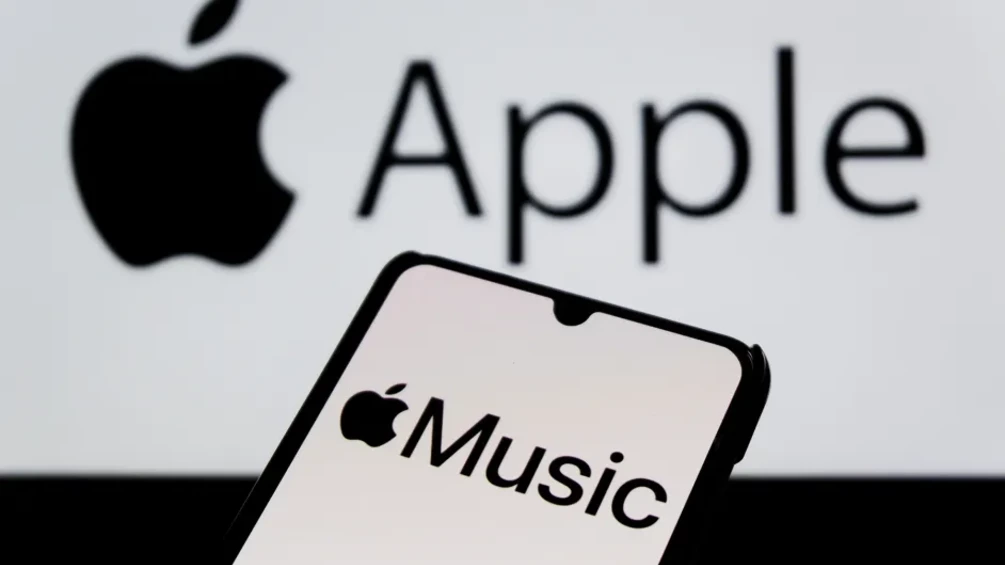
HangupsMusic.com – Cupertino, In an era where the lines between human creativity and algorithmic generation are increasingly blurred, Apple Music has officially entered the fray of content authentication. The tech giant recently unveiled a suite of optional "Transparency Tags," a new metadata framework designed to signal the presence of artificial intelligence in the music and visual assets hosted on its platform. This move represents a significant shift in how digital service providers (DSPs) manage the influx of synthetic media, moving away from a "wild west" approach toward a structured, data-driven ecosystem. By introducing these markers, Apple is not merely labeling files; it is laying the groundwork for a future where the provenance of art is as essential as the art itself.
The initiative, announced via an industry newsletter on March 4th, introduces four distinct categories for AI disclosure: Artwork, Track, Composition, and Music Video. Currently, these tags are elective, functioning similarly to existing metadata fields such as genre, composer credits, and technical specifications. However, the elective nature of the program is temporary. Reports indicate that Apple plans to transition these tags from optional suggestions to mandatory requirements for all new submissions in the near future. This phased rollout suggests that Apple is giving the industry—labels, independent distributors, and artists—a grace period to audit their catalogs and internalize the new standards before the enforcement hammer falls.
The granular nature of the tags reveals a sophisticated understanding of how AI is currently being integrated into the creative process. The "Artwork" tag is designated for static or motion graphics where a "material portion" has been synthesized by AI. This addresses the explosion of AI-generated album covers and social media assets that have become ubiquitous on streaming platforms. Similarly, the "Track" tag focuses on the sonic output itself, flagging instances where a material portion of the actual sound recording was generated by machine learning models. This distinguishes between a human-recorded song and one where the audio waveforms were birthed from a prompt.
More complex is the "Composition" tag, which targets the foundational elements of a song. This category applies to AI involvement in songwriting, including the generation of lyrics, the arrangement of instrumentation, and the nuances of production. This tag is particularly significant for the publishing sector of the industry, as it touches upon the intellectual property of the "song" rather than just the "recording." Finally, the "Music Video" tag covers visual components, whether they are released as standalone videos or integrated into Apple Music’s "Album Motion" features. The system is designed for layering; a single release could theoretically carry all four tags if every aspect of its creation involved synthetic intervention.
Apple’s messaging around this launch emphasizes the necessity of data in shaping the future of the music business. In their communication with industry partners, Apple stated that proper tagging is the primary step in providing the industry with the tools needed to develop thoughtful policies. The company believes that record labels and distributors must take an active role in reporting when content is created using AI. By framing these tags as "a concrete first step," Apple is positioning itself as a mediator between the technological vanguard and the traditional protectors of human copyright. The goal is to establish a level of transparency that allows for the creation of best practices that can satisfy artists, tech developers, and consumers alike.
The timing of this rollout is no coincidence. The music industry is currently grappling with a tidal wave of AI-generated content that threatens to overwhelm existing royalty structures. Earlier this year, the streaming platform Deezer made headlines by revealing that approximately 28% of all music uploaded to its service was fully AI-generated. More startlingly, Deezer identified 85% of this AI music as "fraudulent," leading to its immediate demonetization. This "fraud" often refers to low-quality, "slop" content—ambient noise, generic loops, or "fake artist" tracks—designed solely to game the pro-rata payment system and siphon royalties away from legitimate human creators.
Apple Music has not been immune to these pressures. The company recently revealed that it demonetized an astonishing two billion fraudulent music streams throughout 2025. This figure underscores the scale of the challenge facing DSPs. When billions of streams are generated by bots or synthetic loops, the value of a stream for a human artist is diluted. By implementing AI transparency tags, Apple is creating a filter that could eventually allow the platform to separate human-centric art from machine-generated filler, potentially leading to tiered royalty rates or different search-algorithm priorities.
Other major players in the digital space are taking even more drastic measures. Bandcamp, the favorite platform for independent artists and collectors, announced a total ban on AI-generated music this past January. Their stance is one of pure humanism, catering to an audience that prides itself on the direct support of human craftsmanship. Spotify, meanwhile, has been engaged in a massive cleanup operation. In September 2025, the Swedish streaming giant reported that it had purged over 75 million tracks labeled as "spam" or AI-generated over the previous twelve months. This ongoing "crackdown" highlights a growing consensus among tech leaders: without regulation, the sheer volume of AI content risks turning streaming platforms into unnavigable digital graveyards.
The scale of AI adoption among creators is also reaching a tipping point. The 2025 IMS Business Report found that 60 million people used AI tools to create music in 2024. This figure includes everyone from hobbyists using "one-click" song generators to professional producers using AI-assisted mixing and mastering plugins. As these tools become more sophisticated, the "material portion" threshold mentioned in Apple’s guidelines will become a focal point of debate. At what point does an AI-assisted guitar pedal or a generative lyric prompt become "material"? Apple’s move to start collecting this data now suggests they want to answer that question with empirical evidence rather than guesswork.
Apple’s approach mirrors similar moves in the video space. YouTube launched its own AI disclosure labels in 2023, requiring creators to flag "altered or synthetic" content that appears realistic. By adopting a similar framework, Apple Music is aligning itself with a broader tech industry trend toward "content provenance." This is part of a larger movement that includes initiatives like the C2PA (Coalition for Content Provenance and Authenticity), which aims to create a "nutrition label" for digital media.
The implications for the future of the music industry are profound. If the AI transparency tags become mandatory, they will likely be integrated into the delivery pipelines of major distributors like DistroKid, TuneCore, and CD Baby. This would force millions of independent artists to self-report their use of AI tools. While this may seem like a bureaucratic hurdle, it could also serve as a badge of honor for "100% human" productions, creating a new marketing vertical for artists who eschew algorithmic assistance.
Furthermore, these tags will be invaluable for legal teams and rights organizations. As copyright offices around the world struggle to define whether AI-generated works are eligible for protection, the metadata provided by Apple Music could serve as a primary source of evidence in ownership disputes. If an artist fails to tag a track as AI-generated and it is later discovered to be synthetic, it could lead to the loss of copyright or removal from the platform for "metadata fraud."
As we move deeper into the mid-2020s, the tension between the efficiency of AI and the soul of human music will only intensify. Apple Music’s decision to implement these tags is a recognition that the genie is out of the bottle. Rather than trying to ban the technology—a feat that is likely impossible given the scale of 60 million creators—Apple is opting for a policy of radical transparency. By making the machine visible in the metadata, the platform is attempting to preserve the integrity of the streaming ecosystem while allowing for the inevitable evolution of the creative process. The next few years will determine whether these tags are enough to save the industry from a flood of synthetic content, or if they are simply the first chapter in a much longer story of how machines learned to play the world’s songs.