
 By Rose Miami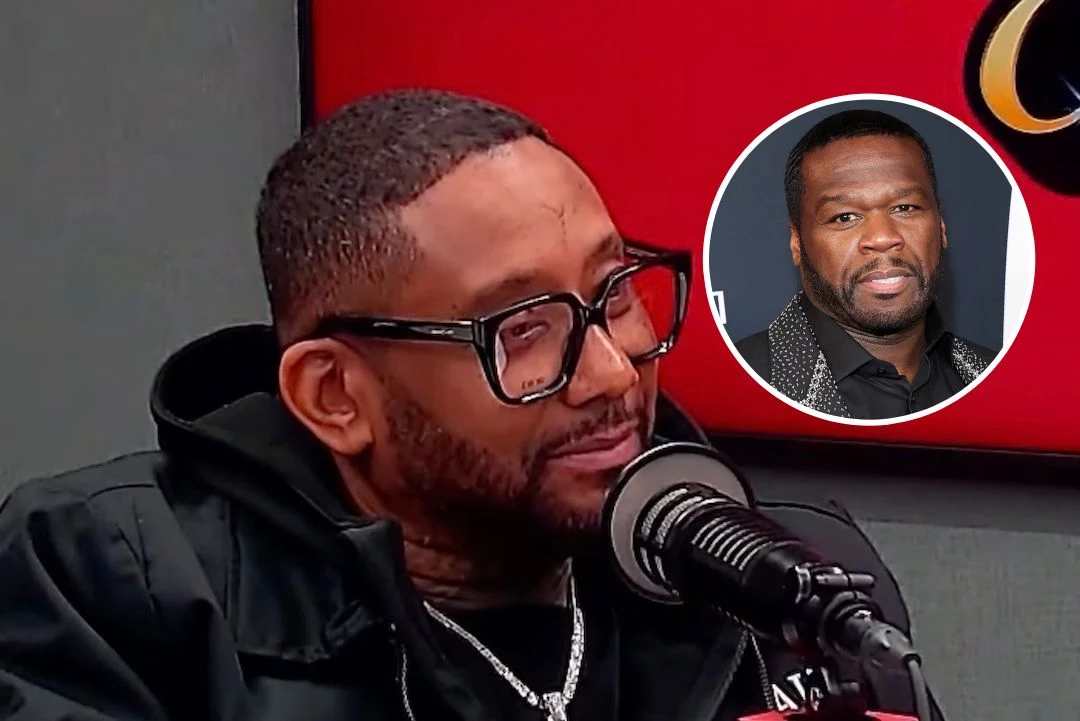
HangupsMusic.com – The simmering tension between hip-hop titans Maino and 50 Cent has erupted into a full-blown lyrical confrontation, with Maino dropping a potent diss track titled "Bleed Like Us." This new release serves as a direct counter-punch to 50 Cent’s recent jabs, particularly his track "No More Tricks, No More Tries," which targeted Maino alongside other prominent figures in the rap game.
Maino’s "Bleed Like Us," produced by Bandit, hit the airwaves on Wednesday, March 11th, and immediately set a defiant tone. The Brooklyn rapper doesn’t pull any punches, aiming sharp accusations at 50 Cent’s character and authenticity. The chorus itself is a powerful declaration of his unwillingness to be intimidated, with lines like, "Nias bleed just like us/Picture me being of scare of a nia that never shot nothing or killed s**t." This opening salvo directly challenges the perceived invincibility of 50 Cent, asserting a shared humanity and vulnerability.
The track pivots to more pointed criticisms, with Maino questioning 50 Cent’s claims of street credibility. He directly addresses the G-Unit founder’s past and present persona, stating, "Nias bleed just like us/Picture me being shook of a nia that beat up on women and not men." This accusation is a severe character indictment, suggesting a deeper, more problematic aspect to 50 Cent’s public image that Maino feels compelled to expose. The implication is that true toughness is not demonstrated through alleged domestic violence, but through facing genuine adversaries.

Further into the song, Maino dissects 50 Cent’s career trajectory, casting doubt on the organic nature of his success. He suggests that 50 Cent’s rise to prominence was heavily influenced by external factors and strategic maneuvering, rather than pure artistic merit. Lines like, "All that killer imagery, you just only rap about it/You’re a false god/Shot nine times, you capped about it," directly challenge the narrative of 50 Cent as a hardened street figure. Maino positions him as a manufactured persona, built on embellishment and carefully curated marketing. He dismisses 50 Cent’s lyrical prowess as being artificial, rapping, "Fake fk nia/Your bars prosthetic."
The diss extends to a personal level, with Maino referencing 50 Cent’s well-documented health issues. The line, "Lately, you’ve been looking unhealthy, you’re diabetic," adds a layer of personal insult, aiming to undermine 50 Cent’s image of power and resilience. Maino frames this as a sign of weakness and a departure from the formidable figure he once presented. He concludes this section by emphasizing his own fearlessness and readiness for conflict, stating, "This is disrespect to the fullest/So I said it/You’ve never been a bully to me/Boy, I’m with it." This declaration signifies that Maino views 50 Cent’s attempts at intimidation as hollow and that he is prepared to confront him directly.
The genesis of this lyrical warfare can be traced back to 50 Cent’s own diss track, "No More Tricks, No More Tries." Released just days prior, this track featured Max B and took aim at a notable roster of artists, including Jim Jones, Dave East, and Fabolous, with Maino also being a target. 50 Cent amplified the impact of his diss by releasing a visually striking, AI-generated music video for "No More Tricks, No More Tries." The video, created by Instagram user @man.of.one.kind, offered a humorous and somewhat surreal interpretation of the song’s content, further fueling the public discourse around the beef.
This exchange highlights a long-standing tradition in hip-hop where artists use their music to settle scores, challenge reputations, and assert dominance. The back-and-forth between Maino and 50 Cent is a contemporary example of this dynamic, showcasing how lyrical skill and strategic messaging can ignite significant attention within the music community and beyond. Maino’s "Bleed Like Us" is not just a response; it’s an attempt to redefine the narrative and expose perceived vulnerabilities in his opponent’s carefully constructed image. The "smoke" Maino is asking for is not just a metaphorical challenge, but a clear invitation to a prolonged lyrical battle that fans of the genre will undoubtedly be watching closely. The impact of this diss track remains to be seen, but it has undoubtedly added a significant chapter to the ongoing saga of hip-hop rivalries.