 By admin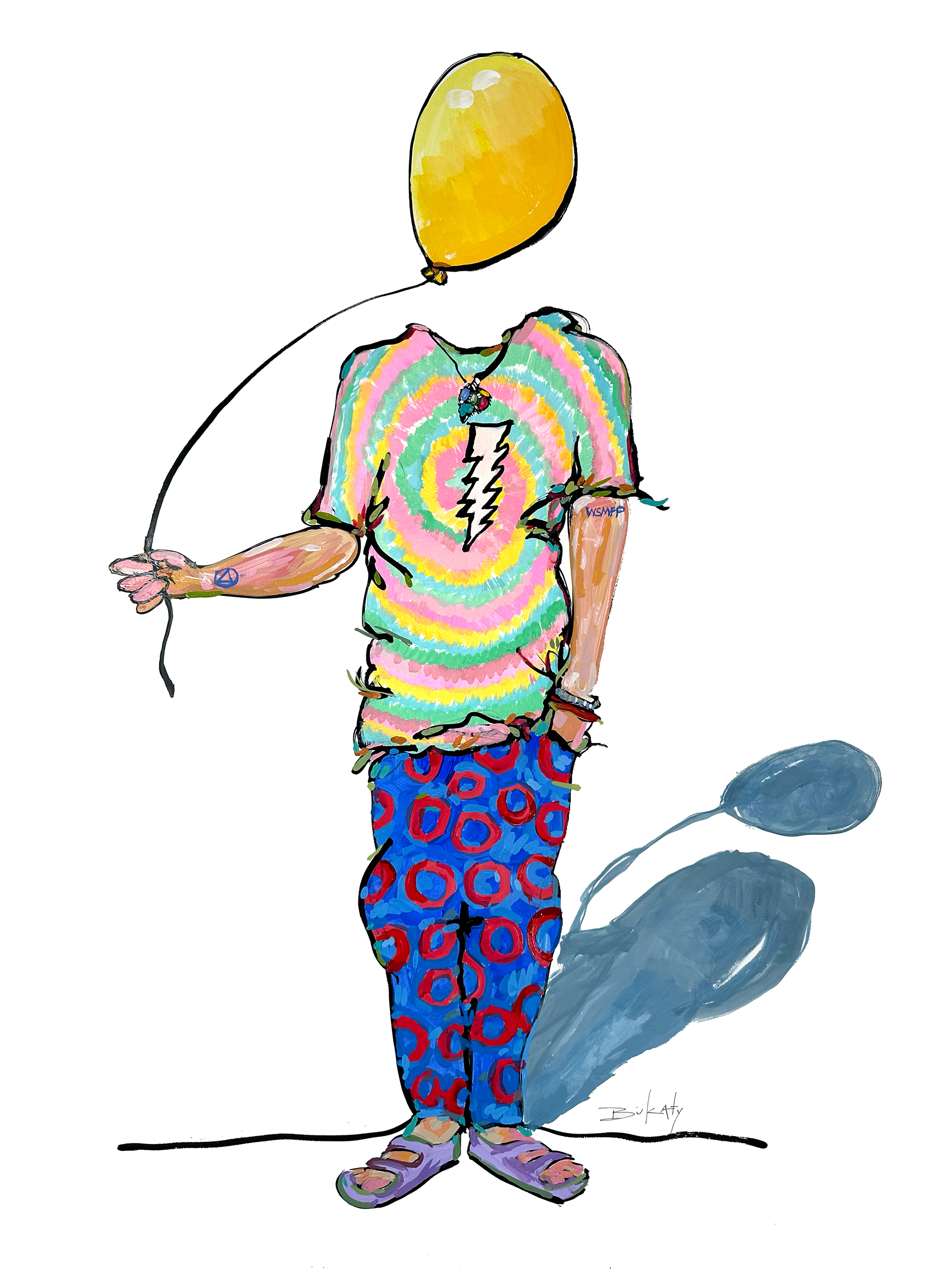
HangupsMusic.com – The journey to recovery, much like the vast landscape of musical genres, is rarely a monolithic experience. While some might assert a singular, prescribed route to sobriety, the reality for many is a deeply personal quest for a resonant path. Just as music enthusiasts endlessly explore sounds until a particular melody or rhythm clicks, individuals seeking recovery often navigate diverse methodologies until they discover one that genuinely aligns with their lived experience. Music, and indeed any art form, possesses an uncanny ability to reflect and validate our inner world, offering a sense of understanding and connection that can be profoundly healing.
The spectrum of recovery pathways is expansive, reflecting the multifaceted nature of addiction itself. Beyond widely recognized programs such as Alcoholics Anonymous (AA) and Narcotics Anonymous (NA), there exist numerous specialized fellowships and alternative approaches: Cocaine Anonymous, Sex and Love Addicts Anonymous, Heroin Anonymous, Adult Children of Alcoholics, Debtors Anonymous, Al-Anon, SMART Recovery, Refuge Recovery, Celebrate Recovery, and Dharma Recovery. Each of these offers a distinct framework, yet they share a common objective: to guide individuals from a state of unmanageability towards a life of stability, purpose, and genuine connection. This transformative process not only benefits the individual but also contributes positively to the wider community.
For a specific demographic, particularly those drawn to the free-spirited ethos of the jam band universe—often characterized by their love for improvisation, communal experience, and a certain counter-culture sensibility—traditional, dogma-heavy recovery programs can sometimes feel incongruous or even prohibitive. This subculture values freedom of expression, collective effervescence, and, above all, the immersive experience of live music. Attending a show, reveling in the spontaneous musical journey, and meticulously dissecting every note afterward constitutes a core pleasure. Conversations might revolve around iconic musical moments, such as a band breaking into a rare performance of "Gamehendge," or a subtle musical homage embedded within a complex jam. Yet, interwoven with this vibrant culture is often a pervasive presence of substance use, ranging from recreational psychedelics to more dangerous habits involving crack cocaine or heroin. For many within this scene, the line between recreational use and developing an addiction remains blurred until it’s crossed, often unknowingly. This unique confluence of passion for music and vulnerability to substance abuse laid the groundwork for the Yellow Balloon movement.
The origins of the Yellow Balloon movement are steeped in the folklore of the jam band circuit, emerging sometime in the mid-1980s. Legend has it that a handful of attendees at Grateful Dead shows, recognizing their shared struggle with addiction, began to gather informally around a yellow balloon. This simple, visual marker signaled a safe, sober space for non-traditional recovery meetings, providing a discreet sanctuary amidst the often-intoxicated environment of the concerts. The irony of using a balloon as a symbol, considering the widespread use of nitrous oxide balloons at many of these events, was not lost on its early participants.
Benji R.’s personal narrative exemplifies the critical need and profound impact of these groups. During a summer tour in 2003, Benji began to confront the unsettling realization that his relationship with substances was problematic. Lacking the vocabulary to articulate his struggle beyond the stark internal comparison—"everyone else seems to function, and I don’t"—he recognized a fundamental disconnect. He frequently observed a table marked by a yellow balloon at Phish shows, drawn to its silent promise of sanity, yet hesitant to fully engage. He described his attempts to absorb a sense of normalcy through mere proximity, a strategy he candidly admits was ineffective.
A year later, in the summer of 2004, Benji reached a breaking point. Physically depleted, emotionally distraught, and spiritually adrift, he found himself circling the yellow balloon table once more, viewing it as a potential lifeline he wasn’t sure he deserved. It was then that a compassionate volunteer approached him, offering a simple yet profoundly impactful question: "Hey, you’ve been looking at our table quite a bit. Are you doing alright?" Benji’s immediate and honest reply—"No. Everything is not okay"—was met not with judgment, but with an embrace. The woman put her arm around him, invited him to sit, and uttered the words that would irrevocably alter his trajectory: "You’re with family now." This moment, imbued with an almost mystical significance, marked the true beginning of Benji’s journey into recovery.
For decades, the Yellow Balloon ethos has quietly permeated the jam band world, spawning specific chapters tailored to individual bands. These include the Wharf Rats for Grateful Dead shows, The Phellowship for Phish, Much Obliged for Umphrey’s McGee, Jellyfish for Widespread Panic, Sunny Bunnies for Ween, and Dusty Baggies for Billy Strings, among many others. Today, the presence of such a recovery-focused group is almost an expected amenity at major jam band concerts. These gatherings are distinct from formal 12-step meetings and operate independently of established recovery programs. Their core mission, as articulated by Benji, is straightforward: "To provide traction in an otherwise slippery environment."

At any given show, the Yellow Balloon booth serves as a fixed point of stability. Typically, it consists of a folding table adorned with signage and, crucially, a prominent yellow balloon. Manned by volunteers who are themselves in recovery, the table offers a welcoming array of amenities: candy, stickers, and hand-scrawled signs bearing encouraging slogans like "One Show at a Time" or "Easy Does It." During set breaks, attendees in recovery, alongside those merely curious about sobriety, gather in a circle for a brief, informal meeting. These discussions eschew the structured steps, sponsorship dynamics, or explicit higher-power language often found in traditional programs. Instead, they provide a simple, direct space for individuals to offer mutual support and accountability amidst the often-intense, drug- and alcohol-infused concert atmosphere.
The impact on individuals like Benji was both immediate and enduring. He consistently returned to the tables, actively participated, and successfully maintained his sobriety. He reflects on a profound transformation: "As someone who used to attend shows to get high and escape, today I go to shows seeking friendship. I’m seeking connection. I go to offer hugs, to reconnect with friends, to be an integral part of something larger." This fundamental shift—prioritizing genuine human connection over chemical alteration—lies at the heart of what these groups facilitate. As Benji often states, "They say the opposite of addiction isn’t sobriety – it’s connection. It’s love. The Yellow Balloon community is a significant part of that for me."
Jenn D.’s story further illustrates this transformative power. A former intravenous heroin user, Jenn was a dedicated Phish fan from 1999 until addiction consumed her life, leading to years of absence from the scene. Upon achieving sobriety in 2014, she found herself isolated, unable to return to the live music she cherished due to a lack of sober companions. Five years into her recovery, Jenn made a simple yet courageous post on Facebook: "I’m looking for sober support to go with me to a Phish show." This single act opened a new chapter. She was promptly added to The Phellowship, the Facebook group for Phish fans in recovery. A friend volunteered to accompany her, and in 2019, she approached her first Yellow Balloon table. Initially nervous, likening it to attending her first AA meeting, Jenn was met with an outpouring of support when she introduced herself as being at her first sober show. She was no longer alone; she was instantly connected. Since then, Jenn has become a highly active volunteer, coordinating Goose tables, assisting at Billy Strings shows, and helping manage nightly Zoom recovery meetings for Phellowship members. She highlights the remarkable speed with which strangers evolve into family, how online connections translate into real-life embraces, and how moments of shared gratitude during set breaks transform the narrative of addiction into one of healing. "You’re never truly alone if you’re willing to approach the table," she affirms.
Cecilia V., another fan in recovery, shares a similar testament. During her treatment, she despaired, believing her life, particularly her passion for live music, was over. The pervasive drug culture at shows seemed an insurmountable barrier to sobriety. However, a counselor introduced her to the Yellow Balloon groups and The Phellowship. In her first year of recovery, Cecilia attended five Phish shows, a Widespread Panic concert at the Beacon, Jazz Fest, and Jam Cruise—all with newfound companions from the Yellow Balloon community. "There’s no way I would have stayed sober without them," she declared.
This quiet phenomenon represents a profound miracle within the recovery landscape. It restores to individuals the very thing they love most: the immersive world of live music and its vibrant subculture. These groups often serve as a vital bridge between the initial, arduous phase of "white-knuckle" sobriety and the deeper journey of spiritual recovery. They function as a "meeting before the meeting" or a crucial post-show debrief, offering a non-intimidating entry point for those not yet ready for formal rehabilitation or a 12-step program. Here, individuals can find like-minded fans and realize they are not isolated in their struggles.
However, Benji is keen to emphasize that Yellow Balloon groups are a fellowship, not a comprehensive "program" in themselves. "If the only meeting you ever attend is a Yellow Balloon meeting, that’s not recovery," he cautions. "It’s beautiful, but it’s not enough on its own." While exceptions may exist, for most, these groups are a powerful support system that complements, rather than replaces, a more structured recovery path.
If traditional 12-step fellowships provide a haven for misfits and outsiders, then the Yellow Balloon community—and indeed, the broader Dopey Nation, associated with the Dopey podcast—represents the fringe of the fringe: the misfits among misfits, the outcasts among outcasts. They constitute a distinctive subculture nestled within a larger subculture. Their bond is not forged by rigid dogma or a shared clinical diagnosis, but by a confluence of taste, style, and a shared underground worldview where music transcends entertainment to become medicine, dark humor offers salvation, and showing up precisely as one is—whether still grappling with challenges or firmly rooted in sobriety—is always enough.
For individuals like Cecilia, Benji, and Jenn, who once believed their concert-going days were irrevocably behind them, the Yellow Balloon transformed from a simple marker into a luminous beacon in a sea of potential relapse. It silently, yet powerfully, conveys the same message that benevolent volunteer offered Benji two decades ago: "You’re with family now."