
 By Azzam Bilal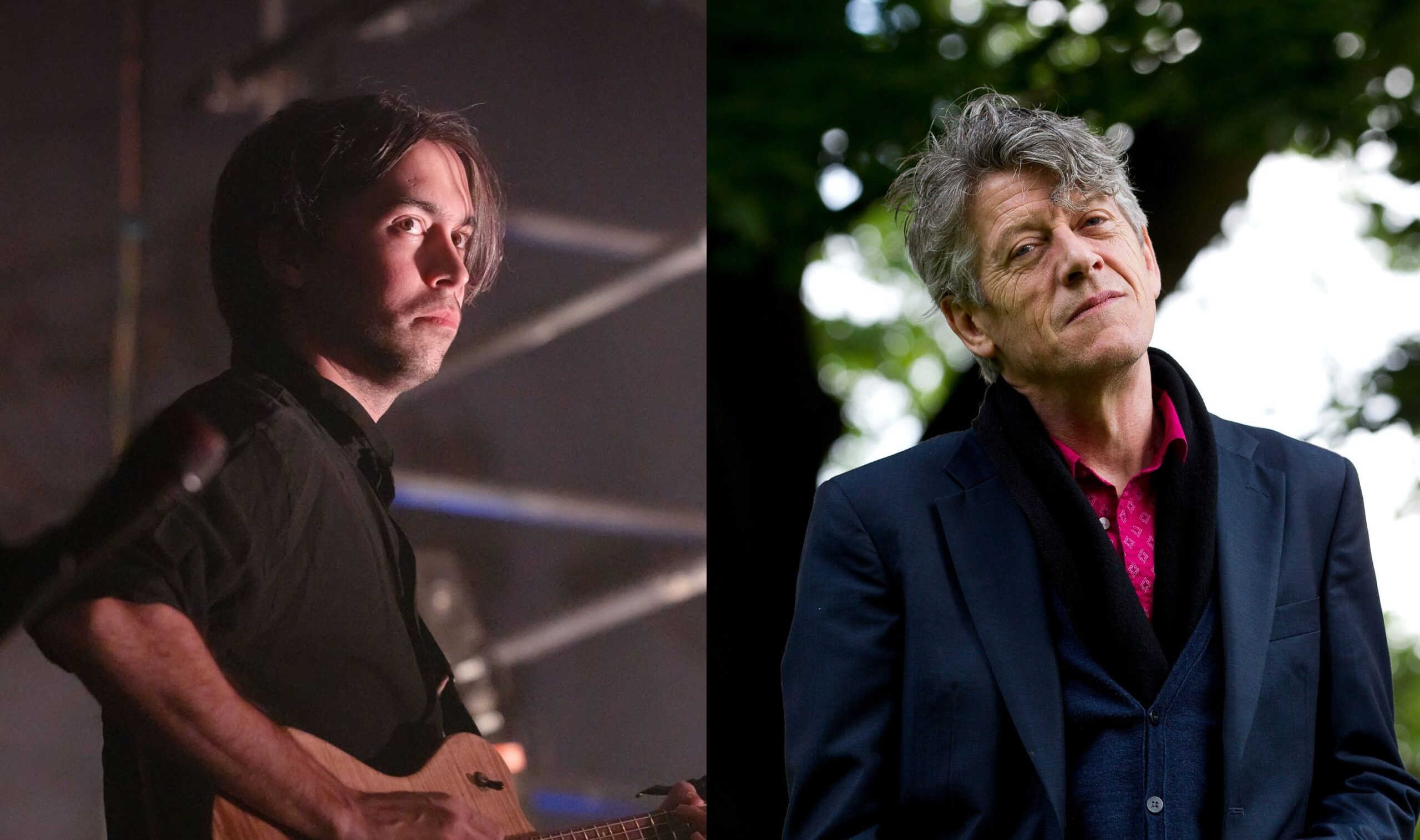
HangupsMusic.com – NEW YORK, In the burgeoning landscape of contemporary independent cinema, few voices have resonated with the haunting, digital-age specificity of Jane Schoenbrun. Following the critical success of their previous explorations into the intersections of identity, media, and the uncanny, the director has officially unveiled the musical architecture for their highly anticipated third feature film, Teenage Sex and Death at Camp Miasma. In a move that bridges the gap between modern indie-rock sensibilities and the atmospheric sophisti-pop of the late 20th century, the film will feature an original score composed by the prolific Alex G and the elusive Paul Buchanan, frontman of the legendary Scottish ensemble The Blue Nile.
The announcement serves as a confirmation of a deep-seated creative kinship between Schoenbrun and Alex Giannascoli, better known as Alex G. This project marks their third consecutive collaboration, a partnership that has become a defining element of Schoenbrun’s cinematic language. Giannascoli previously provided the sonic backdrop for the director’s breakout hit We’re All Going to the World’s Fair and the neon-drenched, melancholic I Saw the TV Glow. While Alex G has long been a darling of the lo-fi and experimental indie scenes, his work with Schoenbrun has revealed a specialized talent for translating the isolation of the internet era into a tangible, melodic dread. His scores often utilize a blend of warped acoustic guitars, unsettling pitched-up vocals, and synth-heavy textures that mirror the dissociative experiences of Schoenbrun’s protagonists.
The inclusion of Paul Buchanan, however, represents a fascinating and somewhat unexpected pivot for the production. Buchanan, the voice behind The Blue Nile’s masterpiece Hats and the understated A Walk Across the Rooftops, has been a figure of relative mystery in the music industry for over a decade. Since the release of his sparse and deeply emotional solo debut Mid Air in 2012, his public output has been minimal, save for a high-profile co-writing credit on Jessie Ware’s 2017 track "Selfish Love." Buchanan’s career has been characterized by a meticulous, slow-burning approach to songwriting, often capturing the quiet, rainy-window loneliness of urban life. His ability to evoke profound longing through minimal arrangement makes him a potent foil to Alex G’s more chaotic, experimental tendencies.
Teenage Sex and Death at Camp Miasma promises to be Schoenbrun’s most ambitious project to date, not only in terms of its musical pedigree but also its star power. The film features a central duo that combines rising comedic and dramatic talent with an icon of genre television: Hannah Einbinder, the breakout star of the acclaimed series Hacks, and Gillian Anderson, whose legendary turns in The X-Files and The Fall have made her a permanent fixture in the pantheon of psychological thrillers.
The narrative of the film appears to lean into the meta-textual horror that Schoenbrun has previously teased. The story follows a young, aspiring director who finds themselves at the helm of a new entry in a long-running, fictional slasher franchise. This "film-within-a-film" structure provides a platform for Schoenbrun to interrogate the tropes of the genre while exploring the psychological toll of creative obsession. As the protagonist attempts to connect with the lead actress of the original movie, the boundaries between the scripted violence and their reality begin to dissolve. The production has described the resulting journey as a "blood-soaked world of desire, fear, and delirium," suggesting a tonal shift that may be more aggressive and visceral than Schoenbrun’s previous, more internal works.
In recent discussions regarding the film’s inspiration, Schoenbrun has framed Camp Miasma as a love letter to a specific era of media consumption. They described the project as an attempt to create the ultimate "sleepover classic"—the kind of movie that felt like a forbidden discovery for a child browsing the shelves of a local video store in the middle of the night. By invoking the "horror section" aesthetic, Schoenbrun is tapping into a collective nostalgia for the tactile experience of VHS tapes and the grainy, low-budget intensity of midnight movies. This "insane yet cozy midnight odyssey" is intended to beckon to viewers who seek comfort in the unsettling, a duality that has become a hallmark of the director’s style.
The synergy between the film’s visual intent and its score is expected to be a primary focus for critics and fans alike. Alex G’s ability to create "earworms" that feel slightly decayed fits perfectly with the idea of a forgotten slasher franchise. Conversely, Buchanan’s presence suggests a level of sophisticated, nocturnal elegance that could elevate the film’s more hallucinatory sequences. The Blue Nile’s legacy is built on music that feels like it exists in a liminal space—between the city and the suburbs, between hope and heartbreak. When applied to a "blood-soaked world of desire," Buchanan’s penchant for atmosphere could provide a grounded, emotional weight to the film’s more surreal flourishes.
The production of Teenage Sex and Death at Camp Miasma comes at a time when the "elevated horror" genre is increasingly looking toward musicians to provide unique tonal identities. Following in the footsteps of Mica Levi’s work on Under the Skin or Bobby Krlic’s (The Haxan Cloak) score for Midsommar, the pairing of Alex G and Paul Buchanan signals a desire to move away from traditional orchestral cues in favor of something more idiosyncratic and character-driven. For Alex G, this film is an opportunity to solidify his status as one of the most vital composers of his generation. For Buchanan, it marks a rare and welcome return to the spotlight, offering his singular voice to a new generation of cinephiles.
As the film industry continues to grapple with the shifting landscapes of theatrical releases and streaming platforms, the involvement of MUBI as a distributor and production partner further emphasizes the "art-house" credentials of the project. Schoenbrun’s films have historically performed well on platforms that cater to a curated, cinephilic audience, and Camp Miasma is poised to be one of the most talked-about releases of the upcoming season.
The thematic consistency of Schoenbrun’s work—often referred to by fans as an informal "Screen Trilogy"—is likely to reach its zenith here. If World’s Fair was about the isolation of the early internet and TV Glow was about the haunting power of childhood media, Camp Miasma appears to be about the act of creation itself, and the dangerous ways in which we project ourselves into the stories we consume. The presence of Gillian Anderson, an actor who has spent much of her career navigating the thin line between the mundane and the supernatural, adds a layer of gravitas to this exploration.
The anticipation for the soundtrack is already building within music circles. Alex G’s previous scores were released as standalone albums, garnering significant acclaim and even influencing the sound of his subsequent studio LPs. For fans of The Blue Nile, any new material involving Paul Buchanan is treated as a major cultural event. Whether the two will collaborate directly on themes or provide separate textures for different segments of the film remains to be seen, but the potential for a "sophisti-pop-slasher" hybrid is a tantalizing prospect for audiophiles.
Teenage Sex and Death at Camp Miasma is currently slated for a theatrical release on August 7. As the date approaches, the film stands as a testament to the power of cross-disciplinary collaboration. By uniting the visionary directing of Schoenbrun with the diverse musical talents of Alex G and Paul Buchanan, the project seeks to recapture the "delirium" of the midnight movie experience while pushing the boundaries of what a modern horror score can achieve. In the end, it is this commitment to the "insane yet cozy" that may define the next chapter of independent cinema.