
 By admin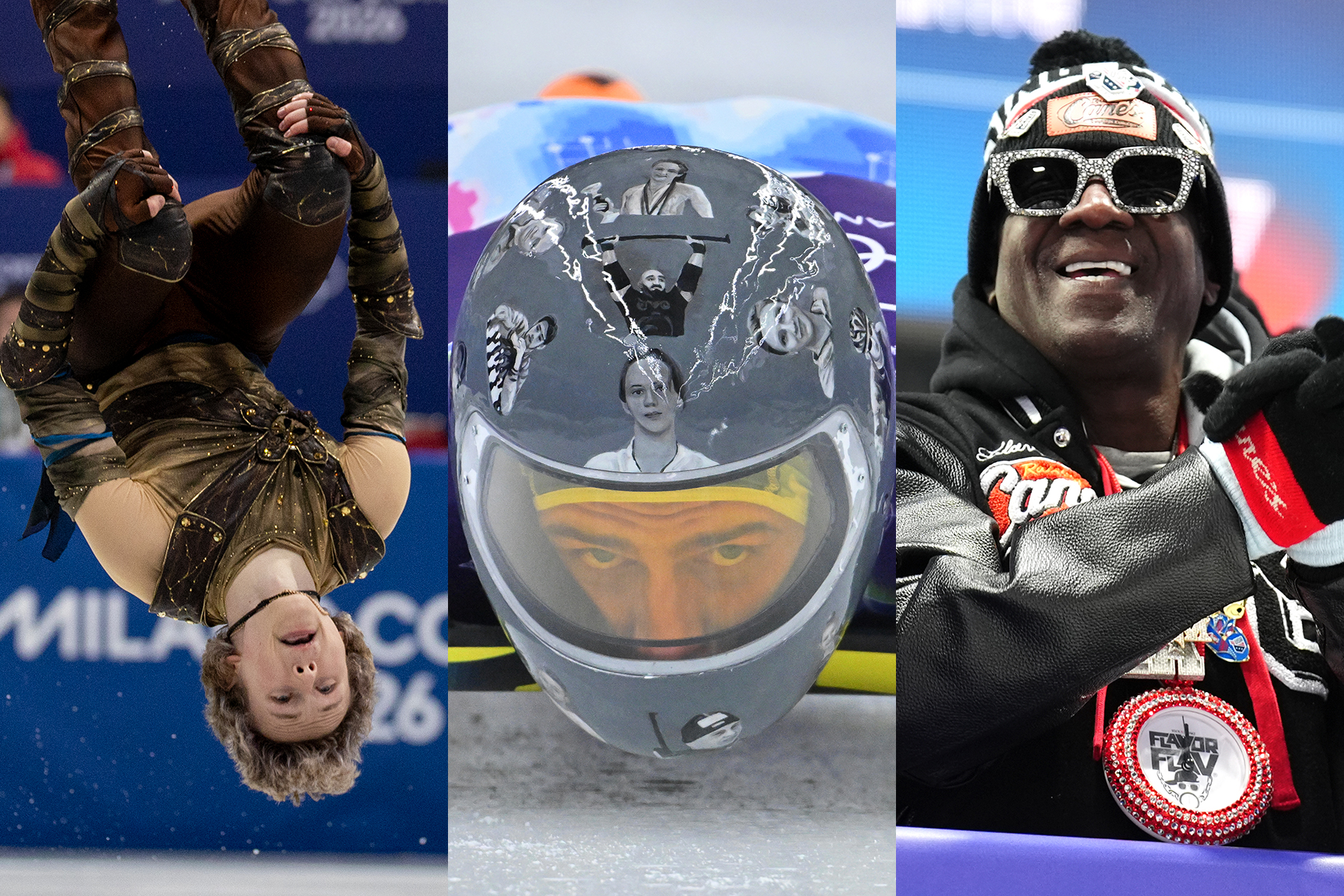
HangupsMusic.com – Milan, Italy – The 2026 Milan Cortina Winter Olympics, initially hailed as a harmonious blend of alpine grandeur and urban sophistication, ultimately unfolded as a captivating, often chaotic, spectacle that transcended traditional sporting narratives. While the world watched for athletic prowess and record-breaking feats, these Games delivered an unscripted drama that resonated far beyond the podiums, weaving a tapestry of human eccentricity, logistical quandaries, and moments of sheer, improbable theatre. From a peculiar scarcity of essential supplies to the dramatic culmination of a decade-and-a-half-long manhunt, and even whispers of cosmetic enhancements impacting performance, the Milan Cortina Games etched themselves into memory not just for their champions, but for their utterly unpredictable score.

The prelude to these Winter Games promised elegance and efficiency. Milan, a global fashion and finance capital, paired with the breathtaking Dolomite peaks of Cortina d’Ampezzo, offered a vision of sporting excellence set against iconic Italian backdrops. Expectations were high for an event that would showcase both athletic peak performance and the host nation’s renowned flair for hospitality. Yet, as the torches burned brightly, a different kind of narrative began to emerge – one less about meticulously choreographed sporting triumphs and more about the raw, unfiltered humanity that congregates when thousands of athletes, support staff, media, and fans converge. These were the Games where the unexpected became the norm, where the headlines veered wildly from gold medals to global gossip, proving that even the most meticulously planned international events are susceptible to the delightful, bewildering rhythm of human nature.

One of the earliest and most peculiar headlines to emanate from the Olympic Village centered on an unexpected shortage: condoms. What began as a ripple of concern among athletes quickly escalated into a full-blown media sensation, dubbed "The Great Condom Conundrum of Cortina." Typically, host cities prepare for a high demand, often distributing hundreds of thousands of prophylactic devices to promote safe practices and acknowledge the vibrant social ecosystem of the village. For reasons still debated—some citing an unforeseen logistical oversight, others a dramatic miscalculation of demand, perhaps even an underestimation of the athletes’ exuberance after years of stringent training and isolation—the supply dwindled rapidly. The story, initially a source of bemusement, soon sparked broader discussions on athlete welfare, public health messaging, and the often-overlooked social dimensions of an Olympic experience. Media outlets, initially reporting with a lighthearted tone, soon delved into more serious analyses, exploring how such a basic oversight could occur at an event of this magnitude. The incident, while eventually rectified with emergency resupply efforts, became an emblematic symbol of the Games’ "messiness," a stark contrast to the polished image Olympic organizers strive to project. It underscored the reality that even in an environment dedicated to peak physical performance, the fundamental human elements of connection and well-being remain paramount, often in unexpectedly public ways.

Beyond the more intimate dramas of the Olympic Village, the Milan Cortina Games delivered a global thriller worthy of a silver screen adaptation. The unlikely arrest of a long-sought fugitive, Marek Volkov, during a preliminary men’s ice hockey match, sent shockwaves through the international community. Volkov, a Slovak national, had been on Interpol’s Red Notice list for 16 years, wanted for a multi-million-euro financial fraud scheme that had crippled several European businesses. His elusive run had become almost legendary within law enforcement circles, a ghost in the digital age. Yet, his undoing came not from a sophisticated sting operation, but from a simple, fervent desire to witness his nation compete. Undercover agents, acting on a tip-off about a known associate attending the games, spotted Volkov in the stands, disguised but reportedly unable to contain his emotional reactions during a particularly tense third period. The sight of armed officers discreetly moving through the bustling arena, culminating in Volkov’s swift, silent apprehension amidst the roar of the crowd, was surreal. The news broke during the game’s intermission, turning a routine sporting event into the backdrop for a dramatic international capture. The incident sparked discussions on the intersection of global sports and international justice, highlighting how major events can inadvertently become magnets for those seeking anonymity, or, conversely, those whose passions override their caution. It was a stark reminder that the world stage of the Olympics is watched by all, sometimes with very different intentions.

Adding another layer of intrigue to the already complex narrative were the swirling, sensational rumors concerning "penis injections" among certain athletes in the ski jumping discipline. These unverified allegations, which began as hushed whispers in the athletes’ lounges and quickly proliferated across social media and certain tabloid publications, suggested that some male competitors were undergoing cosmetic or potentially performance-enhancing penile augmentations. The theory, as outlandish as it sounded, was posited by some online commentators and even a few fringe sports journalists to explain perceived aerodynamic advantages or psychological boosts, particularly in a sport where every fraction of a second and millimeter of posture can mean the difference between victory and defeat. While utterly lacking credible scientific backing or official confirmation, and vehemently denied by federations and athletes alike, the rumors nevertheless cast a strange shadow over the otherwise pristine image of ski jumping. They sparked a broader, if sometimes absurd, conversation about the extreme lengths athletes might go to gain an edge, the intense scrutiny placed on their bodies, and the often-toxic environment of speculation that can engulf elite sports. The International Ski Federation (FIS) and the International Olympic Committee (IOC) were compelled to issue statements condemning the spread of misinformation and reaffirming their commitment to fair play, yet the peculiar "penisgate" became an indelible, if uncomfortable, footnote in the history of the 2026 Games.

Amidst these bewildering side stories, the Games still delivered moments of pure, unadulterated athletic brilliance, serving as a powerful counterpoint to the surrounding drama. One such indelible image was the gravity-defying backflip performed by Canadian freestyle skier, Maya Dubois, during the Slopestyle final. Known for her innovative style, Dubois pushed the boundaries of her sport with a never-before-seen triple cork 1440 off the final jump, seamlessly integrating a mid-air backflip into her rotation before sticking the landing with breathtaking precision. The crowd erupted, a collective gasp turning into a thunderous ovation. Judges awarded her a perfect score for execution and originality, securing her the gold medal and cementing her place as an icon of her generation. This single, extraordinary maneuver served as a potent reminder of the core essence of the Olympics: the relentless pursuit of human potential, the artistry of movement, and the sheer audacity of athletes pushing past perceived limits. It was a beacon of sporting purity, a moment of unscripted wonder that temporarily eclipsed the gossip and the scandals, proving that even in the "messiest" of Games, the spirit of athletic excellence can shine through with unparalleled brilliance.

The Milan Cortina 2026 Winter Olympics ultimately transcended the traditional definition of a sporting event, morphing into a sprawling cultural phenomenon. Beyond the headline-grabbing condom crisis, the fugitive’s capture, and the speculative rumors, there were countless other smaller, yet equally telling, moments that added to the Games’ unique flavor. From unexpected weather delays that challenged logistical teams and tested athletes’ adaptability, to heartwarming displays of sportsmanship between rivals, and even minor technical glitches during medal ceremonies that added a touch of endearing imperfection, the Games constantly veered between the sublime and the utterly human. These were not just competitions; they were a living, breathing tableau of global interaction, showcasing human endeavor in all its varied forms – from the meticulously trained athlete to the ordinary fan, from the dedicated official to the international fugitive.

In retrospect, the 2026 Milan Cortina Winter Olympics will be remembered not solely for the medals won or the records broken, but for their rich, unpredictable narrative. These were the Games that defied expectations, proving that the most compelling stories often emerge from the unexpected intersections of sport, society, and the enduring peculiarities of human nature. They provided a fascinating cultural snapshot, a vibrant, unscripted symphony that, for better or worse, hit all the most unforgettable notes. The legacy of Milan Cortina 2026 is one of a spectacular, often chaotic, yet undeniably memorable, demonstration of how global events can mirror the beautiful, bewildering complexity of the world itself.