 By Azzam Bilal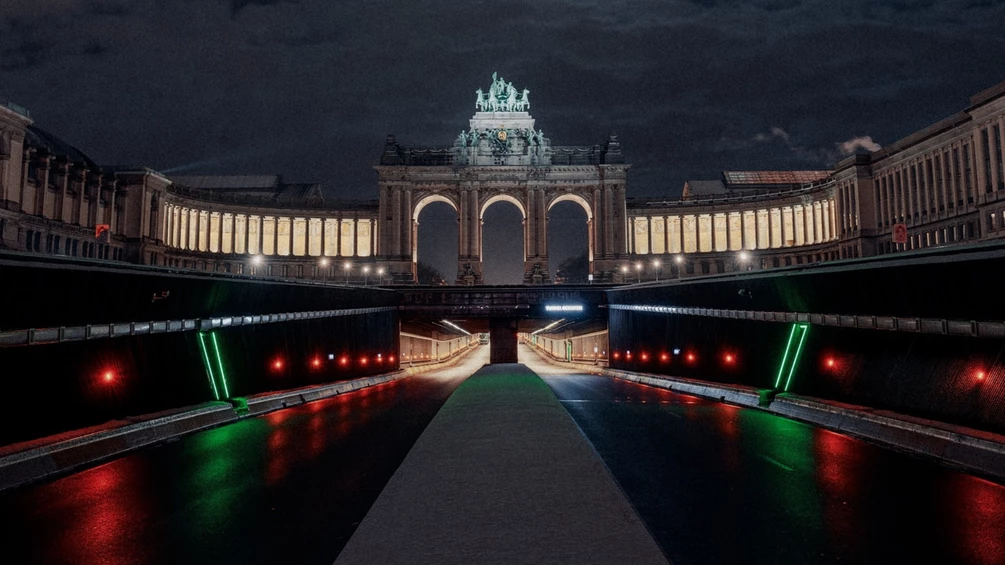
HangupsMusic.com – Brussels, the Belgian capital is preparing to host one of the most ambitious electronic music events in its modern history, as the subterranean traffic arteries beneath the iconic Cinquantenaire Park are set to be reclaimed by the global dance community. On April 4th, the city will undergo a radical transformation, shutting down major transit routes to facilitate a massive nine-hour rave that promises to redefine the intersection of urban infrastructure and club culture. This monumental undertaking is the result of a high-profile collaboration between Hangar, an event collective renowned for its architectural site-specific parties, and Listen Festival, the city’s premier multi-venue celebration of electronic music and diversity.
The event marks a significant moment for Brussels, a city that has increasingly leaned into its industrial and historical identity to foster a world-class nightlife scene. By rerouting the "heart of the city" and silencing the constant hum of engines in favor of a synchronized rhythmic pulse, the organizers are offering a rare glimpse into a repurposed urban future. The party will be spread across two distinct stages, strategically positioned within the concrete corridors that usually serve as the backbone of Brussels’ daily commute. This industrial backdrop provides a stark, minimalist aesthetic that aligns perfectly with the raw energy of contemporary techno and trance.
Cinquantenaire Park, or Parc du Cinquantenaire, is a location steeped in national significance. Established in 1880 to commemorate the fiftieth anniversary of Belgian independence, the park is famous for its grand triumphal arch and sprawling museums. However, beneath this symbol of historical pride lies a complex network of tunnels that facilitate the movement of thousands of vehicles daily. For one night, the hierarchy of the city will be inverted. The grandeur above will meet the grit below, as thousands of dancers descend into the earth to experience a sonic environment characterized by natural reverb and the claustrophobic intensity of a true underground setting.
The announcement of the event’s headliner has already sent ripples through the electronic music community. KI/KI, the Dutch sensation who has rapidly ascended to the top tier of the global circuit, has been confirmed to lead the charge. Known for her high-octane sets that seamlessly blend neo-trance, acid, and techno, KI/KI is perhaps the most fitting choice for such a cavernous venue. Her ability to command vast spaces while maintaining an intimate, high-energy connection with the crowd has made her a staple at festivals like Awakenings and ADE. Her recent collaborative efforts, including a high-profile back-to-back set with Armin van Buuren at AMF 2025, have further solidified her reputation as a versatile artist capable of bridging the gap between underground credibility and mainstream appeal.
This tunnel takeover is not an isolated experiment but rather a continuation of a growing trend in the European rave scene where infrastructure is utilized as a canvas for art. The 2024 edition of Listen Festival previously explored this concept by closing off traffic beneath the Place Louise, a major urban intersection. That event served as a proof-of-concept, demonstrating that with the cooperation of municipal authorities, the city’s functional spaces could be temporarily transformed into cultural hubs. Similarly, the "Festival op de Ring" in Amsterdam recently saw the A10 Zuid motorway closed to celebrate the city’s 750th anniversary, featuring a "Highway Rave" curated by Audio Obscura. These events signal a shift in how city planners and promoters view the urban landscape—no longer just as a series of paths to be navigated, but as potential venues for communal experience.
The logistics of hosting a rave in a functional traffic tunnel are staggering. Beyond the standard requirements of sound and lighting, organizers must navigate complex ventilation issues, emergency egress routes, and the acoustic challenges of a long, narrow concrete tube. The two-stage setup suggests a curated journey through different shades of electronic music, likely utilizing the natural divisions within the tunnel system to create distinct atmospheres. While KI/KI is the primary draw, the promise of additional lineup additions suggests a roster that will showcase both international heavyweights and local Belgian talent, maintaining Listen Festival’s commitment to the regional scene.
For the city of Brussels, the event represents a bold step in its cultural branding. While Berlin and London have long been the traditional capitals of European techno, Brussels has been quietly building a reputation for more avant-garde and daring locations. By allowing a major tunnel system to be repurposed for a nine-hour rave, the city government is signaling its support for the nighttime economy and the creative use of public space. This level of cooperation between promoters and local government is often the "secret sauce" for iconic events, ensuring that the party is not just a disruption but a celebrated milestone in the city’s annual calendar.
The 4th of April event is expected to attract a diverse, international audience, drawn by the novelty of the location and the strength of the curation. To manage the anticipated demand, a structured ticketing process has been established. Prospective attendees are encouraged to sign up for pre-sale access through the festival’s official digital portals. Pre-registered guests will be granted priority on March 10th at 12:00 PM CET, a window that is expected to see a significant portion of the capacity claimed. Any remaining tickets will be released to the general public the following day, March 11th. Given the limited capacity inherent in a tunnel environment compared to an open-air field, industry insiders predict a rapid sell-out.
As the global dance scene continues to evolve, the craving for "off-location" experiences has never been higher. The traditional club environment, while essential, is often supplemented by these "once-in-a-lifetime" events that offer a unique sensory memory. There is a specific psychological allure to dancing in a space where one usually drives a car; it breaks the monotony of urban life and offers a temporary liberation from the rules of the road. The Cinquantenaire tunnel rave is the epitome of this desire—a subterranean sanctuary where the only direction is forward, driven by the relentless four-to-the-floor kick drum.
The collaboration between Hangar and Listen Festival is also a strategic masterpiece. Hangar has built a loyal following through its impeccable production standards and its knack for finding "hidden gem" locations, such as the Brussels Maritime Station or the industrial zones along the canal. Listen Festival, on the other hand, provides the broad cultural umbrella and the deep roots within the Brussels music community. Together, they possess the expertise to handle the immense technical and promotional demands of a project this size.
As April 4th approaches, the excitement in the Belgian capital is palpable. The image of thousands of people gathered beneath the earth, surrounded by the brutalist beauty of the Cinquantenaire tunnels and bathed in the strobes of a world-class light show, is a powerful one. It serves as a reminder that even the most rigid structures of our cities can be softened by music and community. For nine hours, the cars will be gone, the exhaust fumes will be replaced by the haze of the dancefloor, and the heart of Brussels will beat to a different, more primal rhythm.
In the broader context of the 2025 festival season, this event stands out as a lighthouse for innovative programming. It challenges other major cities to look at their own infrastructure with a more creative eye. Whether it is a highway in Amsterdam, a bridge in New York, or a tunnel in Brussels, the message is clear: the city is our playground, and the music is the key that unlocks its hidden potential. For those lucky enough to secure a ticket on March 10th, the April rave will be more than just a party—it will be a historic moment in the ongoing evolution of underground culture.