
 By Azzam Bilal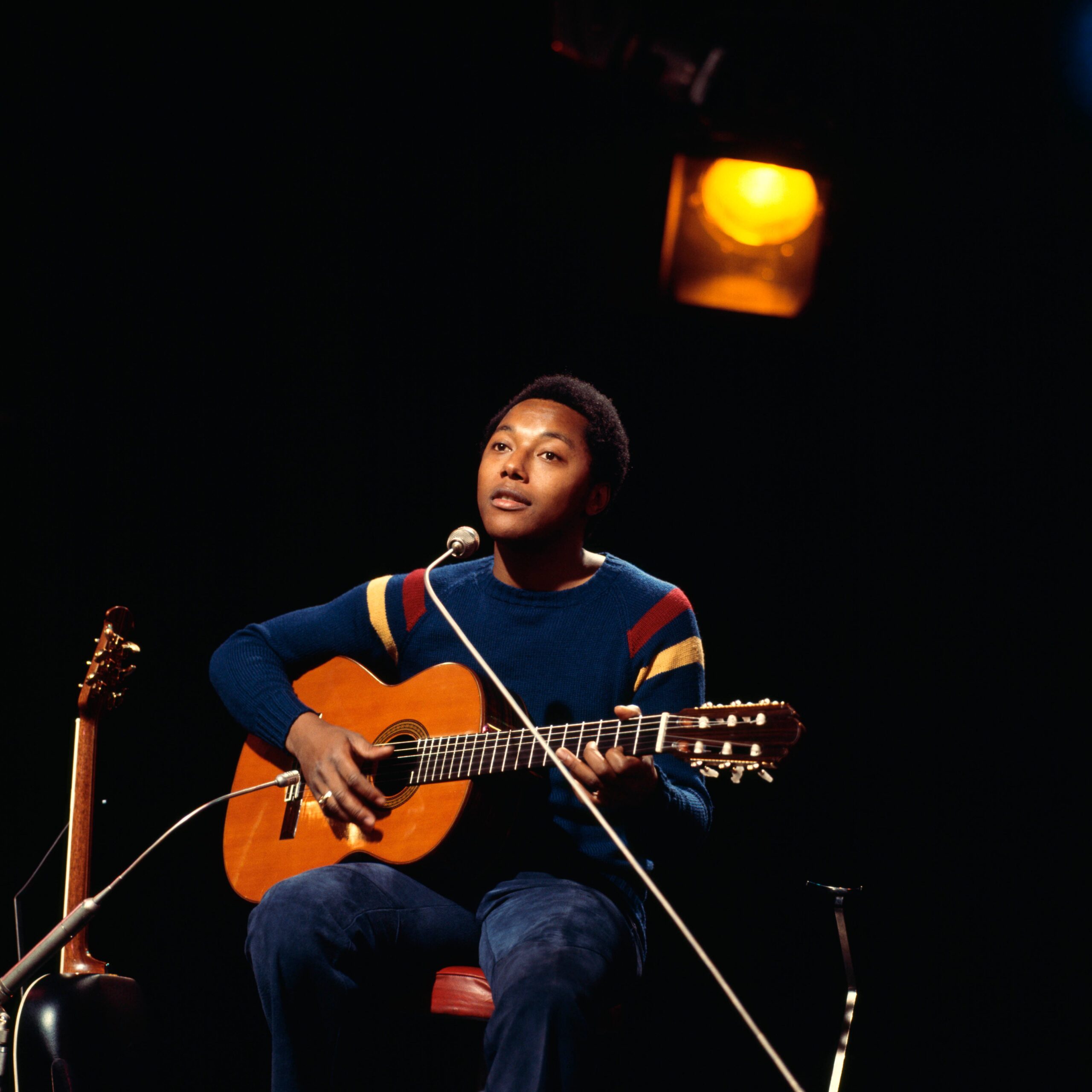
HangupsMusic.com – LONDON, In the landscape of contemporary music, where the cycle of release and promotion often moves at a breakneck, ephemeral pace, the return of a foundational figure like Labi Siffre is more than just a news item; it is a cultural event of significant weight. At 80 years old, the British folk and soul icon has stepped back into the limelight after nearly three decades of relative silence, announcing a new studio album that carries a title as poignant as his storied career: Unfinished Business. Scheduled for release later this year via Demon Music Group, the project marks Siffre’s first full-length musical statement since 1998, signaling a late-career renaissance for a songwriter whose influence has quietly permeated the fabric of popular music for over half a century.
The announcement of Unfinished Business arrives alongside the release of a lead single, "Far Away," a track that serves as a bridge between Siffre’s introspective folk roots and his deep-seated soul sensibilities. "Far Away" is a piano-driven ballad that showcases a voice that has aged with remarkable grace, retaining the clarity and emotional resonance that first captivated audiences in the early 1970s. The song is accompanied by a new music video that underscores the reflective, somewhat melancholic nature of the composition. While the track feels fresh, it has a history that dedicated fans may recognize; a version of "Far Away" was featured in the 2022 BBC documentary Labi Siffre: This Is My Song, yet it had never received an official, standalone release until now. Its arrival serves as the opening salvo for an album that promises to reconcile Siffre’s past with his present.
To understand the magnitude of this return, one must look back at the trajectory of Siffre’s career, which has been defined by periods of intense productivity followed by long stretches of intentional withdrawal. In the 1970s, Siffre was a prolific force in the British music scene, releasing six albums in just five years. This era saw the creation of his most enduring works, including the 1972 masterpiece Crying Laughing Loving Lying. During this time, he established himself as a singular talent who could navigate the complexities of human emotion with deceptive simplicity. His songs were characterized by clean melodic lines, sophisticated harmonic structures, and lyrics that touched on love, identity, and the human condition with a rare honesty.
However, despite his success and the high esteem in which he was held by peers and critics alike, Siffre chose to retire from the industry at various points. He returned briefly in the 1980s—notably reaching a new generation of listeners when the band Madness covered his song "It Must Be Love," and again with his own anti-apartheid anthem "(Something Inside) So Strong"—and again in the late 1990s. His last major outputs were the 1998 album The Last Songs and a collection of spoken-word poetry titled Monument, released the same year. For twenty-eight years, these works stood as his final word, leaving a void in the genre of British singer-songwriters that few could fill.
The seeds for this current comeback were likely sown over the last few years as a new generation began to rediscover Siffre’s catalog through various digital and cinematic avenues. His music has recently found a second life through high-profile licensing syncs. Films such as the Academy Award-winning The Holdovers and the drama Sentimental Value have utilized Siffre’s evocative tracks to anchor their emotional cores, introducing his 1970s output to audiences who weren’t alive during his initial peak. This surge in interest was met with a modernized infrastructure for his legacy; in 2024, official channels for Siffre were launched across YouTube, Instagram, and TikTok, providing a centralized hub for restored videos and new interviews. This digital expansion was followed by Demon Music Group’s release of a comprehensive Best Of collection, which served to re-contextualize his body of work for the streaming era.
The momentum toward Unfinished Business was further solidified by a rare and striking live appearance. Siffre recently visited the BBC Radio 2 Piano Room, a setting known for its intimacy and focus on pure musicianship. Accompanied by the BBC Radio Orchestra, Siffre delivered live renditions of "My Song" and the new single "Far Away," along with a soulful cover of the Four Tops’ classic "Baby I Need Your Loving." The performance was a testament to his enduring power as a live performer; even at 80, Siffre possesses a command of the stage and a vocal control that many younger artists strive to achieve. These performances, now available as clips, have acted as a powerful reminder of why Siffre remains such a revered figure in the industry.
Beyond the music itself, Siffre’s return is significant because of the space he occupies in the history of social and political advocacy. As a Black, gay man who was open about his identity during eras when such visibility was fraught with professional and personal risk, Siffre has long been a trailblazer. His 1971 track "It Must Be Love" is frequently cited as a definitive song in the history of LGBTQ+ pride, a testament to the universal power of a simple, honest expression of affection. By returning to the spotlight now, Siffre brings with him a lifetime of experience that informs his new material, likely offering a perspective on the world that is both weathered and hopeful.
The upcoming album Unfinished Business is expected to delve deeper into these themes. While "Far Away" leans into the soul-inflected piano balladry he is known for, the album as a whole is anticipated to be a multifaceted look at a life lived on one’s own terms. The involvement of Demon Music Group suggests a high level of care in the production and curation of the record, ensuring that Siffre’s return is handled with the dignity his legacy deserves.
In 2020, Siffre offered a glimpse of his continued creative spark with the single "(Love Is Love Is Love) Why Isn’t Love Enough?", a track that proved he had not lost his knack for poignant, socially relevant songwriting. That single, combined with the 2022 documentary, hinted that Siffre was not quite finished with his musical journey. Now, with a full album on the horizon, the narrative of his career is being rewritten. Rather than ending with the "last songs" of the late 90s, Siffre’s story is evolving into a masterclass on artistic longevity and the idea that creativity does not have an expiration date.
As the music industry continues to grapple with the impact of technology and the changing ways in which we consume art, the resurgence of an artist like Labi Siffre provides a grounding influence. It serves as a reminder that at the heart of the industry are the songs and the voices capable of stopping time. Unfinished Business is not just an album title; it appears to be a mission statement for an artist who, after decades of silence, still has plenty to say. For those who have followed his journey since the 70s, and for the new fans who discovered him through a film soundtrack or a TikTok clip, the arrival of this new chapter is a rare gift from one of Britain’s most essential musical voices.