
 By admin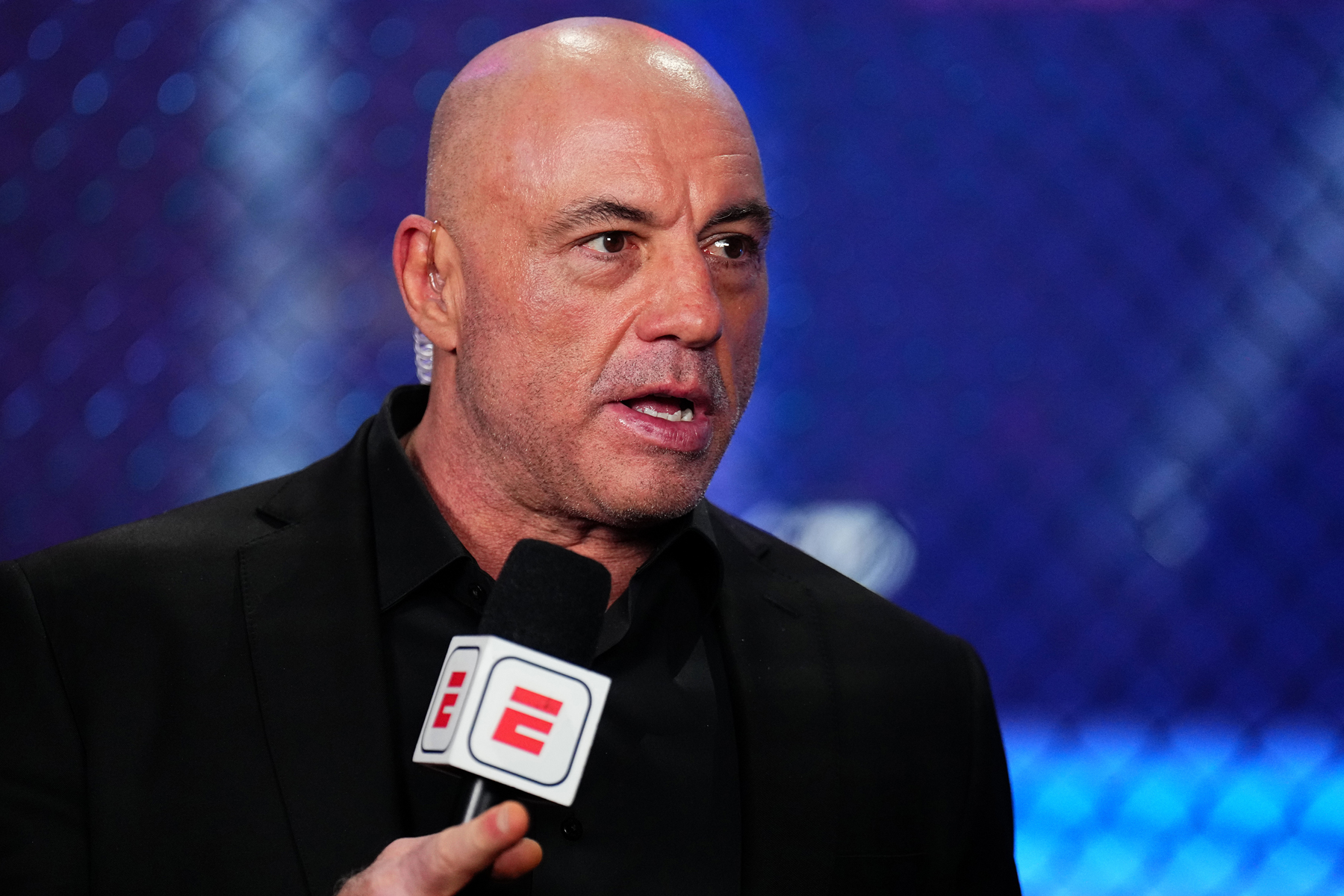
HangupsMusic.com – Recent disclosures from the unsealed Jeffrey Epstein documents have sent a new wave of shockwaves through various sectors of society, casting a renewed spotlight on the deceased financier’s vast and disturbing network of contacts. Among the myriad of prominent individuals whose names surfaced in these heavily anticipated files, one unexpected inclusion was that of popular podcast host, Joe Rogan. The revelation, detailed during a recent episode of The Joe Rogan Experience, has prompted a swift and unequivocal denial from Rogan, who vehemently dismissed any suggestion of involvement or acquaintance with Epstein, a convicted sex offender and trafficker of underage girls. His reaction highlights the ongoing scrutiny and reputational fallout faced by public figures, even those whose connection to Epstein is tenuous at best.
The core of Rogan’s mention in the infamous "Epstein Files" traces back to a 2017 email exchange. The document, now publicly accessible, reveals Epstein attempting to leverage a mutual acquaintance to secure an introduction to Rogan. Specifically, Epstein reached out to physicist Lawrence Krauss, who had previously appeared as a guest on The Joe Rogan Experience. In the email, Epstein conveyed his appreciation for Rogan’s comedic talent and expressed a desire to meet him. This seemingly innocuous request, made by a man whose heinous crimes would later become globally known, has now placed Rogan in the uncomfortable position of addressing a link he had no knowledge of until the files’ release.
Speaking on his podcast with guest Cheryl Hines, Rogan recounted his disbelief upon learning of his name’s appearance in the documents. He clarified that the mention was not indicative of any relationship or prior interaction, but rather a one-sided attempt by Epstein to initiate contact. Rogan expressed bewilderment at the notion, emphatically stating, "Jeffrey Epstein was trying to meet with me. I was like, what?" His strong denial underscored a complete lack of awareness regarding Epstein’s intentions or the email exchange itself. For Rogan, the idea of ever engaging with Epstein, especially after becoming aware of his criminal activities, was an absolute impossibility. He articulated a visceral rejection of the premise, explaining that a simple online search for Epstein would immediately reveal the grotesque nature of his crimes, rendering any potential meeting unthinkable.
Rogan’s response was not just a denial, but also a raw expression of outrage directed at the implied facilitator. Reflecting on Krauss’s potential role in suggesting an introduction, Rogan’s exasperation was palpable. He colorfully questioned Krauss’s judgment, sarcastically asking if he was "high" to even consider such a proposal. This blunt reaction speaks to Rogan’s characteristic candor and his clear moral boundaries, particularly when confronted with figures like Epstein. It also sheds light on the ethical dilemmas faced by guests on his show, or any public platform, who might unwittingly become conduits for individuals with sinister agendas.
Beyond his personal repudiation, Rogan offered insights into Epstein’s sophisticated and manipulative modus operandi. He hypothesized that Epstein’s attempts to connect with him stemmed from a calculated strategy to broaden his circle of influence, not necessarily with individuals of similar wealth or power, but with those who commanded public attention and held cultural sway. Rogan suggested that Epstein preyed on a human inclination to be "intoxicated by being in a circle of rich and powerful people," even if one had no personal ambitions for such status. This psychological analysis painted Epstein as a "very clever" individual who expertly cultivated relationships with a diverse array of prominent figures, from political giants like Bill Clinton to celebrated intellectuals such as cognitive psychologist Steven Pinker, thereby lending an air of legitimacy to his illicit activities. His strategy was to collect influential individuals like trophies, using their reputations to obscure his true nature and facilitate his exploitation.
The unsealing of the Epstein Files has offered an unprecedented glimpse into the extent of his network and the cunning ways he ingratiated himself among the global elite. These revelations have created a ripple effect, leading to significant repercussions for many individuals and organizations, irrespective of their actual involvement with Epstein’s crimes. The mere mention in correspondence or flight logs has proven sufficient to trigger intense public scrutiny, raising questions of association and accountability that extend far beyond direct complicity. The principle of "guilt by association" has never been more acutely demonstrated, forcing public figures to meticulously clarify their past interactions and affiliations.
Within the music industry, these ongoing disclosures have already prompted tangible changes. A notable instance involves several prominent musicians, including indie darlings Chappell Roan, Orville Peck, and Weyes Blood. These artists recently announced their decision to sever ties with the Wasserman Group, a major talent and booking agency, following the discovery of founder Casey Wasserman’s name in correspondence with Ghislaine Maxwell, Epstein’s notorious accomplice. While Wasserman has consistently maintained that he had no relationship with Epstein, the mere appearance of his name in such a context was enough for these artists to re-evaluate their professional relationships. Their decision underscores the increasing ethical demands placed on talent agencies and the heightened sensitivity of artists regarding the moral standing of their representation. For many, the reputational risk and the potential for perceived complicity outweigh the benefits of maintaining established professional ties.
The Wasserman Group, as one of the most powerful entities in entertainment, represents a vast roster of artists across music, sports, and media. The departure of these musicians, though a fraction of their client list, sends a clear message about the moral compass guiding many contemporary artists. It highlights a growing intolerance for any perceived proximity to the kind of depravity Epstein embodied, signaling a shift in industry standards where ethical integrity is increasingly prioritized alongside professional success. This situation places other artists and agencies in a challenging position, compelling them to consider their own exposure and the ethical implications of their associations in an era of heightened transparency and public accountability.
Beyond the entertainment world, the Epstein Files have continued to implicate figures from various high-profile spheres. Names such as former President Donald Trump, technology magnate Elon Musk, and Commerce Secretary Howard Lutnick have also appeared in the documents, further illustrating the breadth of Epstein’s insidious network. Each new revelation rekindles public discourse about the circles in which Epstein operated, the silence that often protected him, and the systemic failures that allowed his horrific crimes to persist for so long.
As the full scope of the Epstein Files continues to unfold, their impact reverberates across society, forcing a reckoning with power, privilege, and accountability. Joe Rogan’s swift and forceful denial serves as a microcosm of the larger struggle faced by public figures grappling with the specter of Epstein’s legacy. It reinforces the notion that in the current media landscape, even an unsolicited email from a notorious figure can ignite a public firestorm, forever linking individuals to a narrative they never wished to be a part of. The ongoing revelations ensure that the shadow of Jeffrey Epstein will continue to prompt uncomfortable questions and demand introspection from industries and individuals alike, long after his own demise.