
 By Azzam Bilal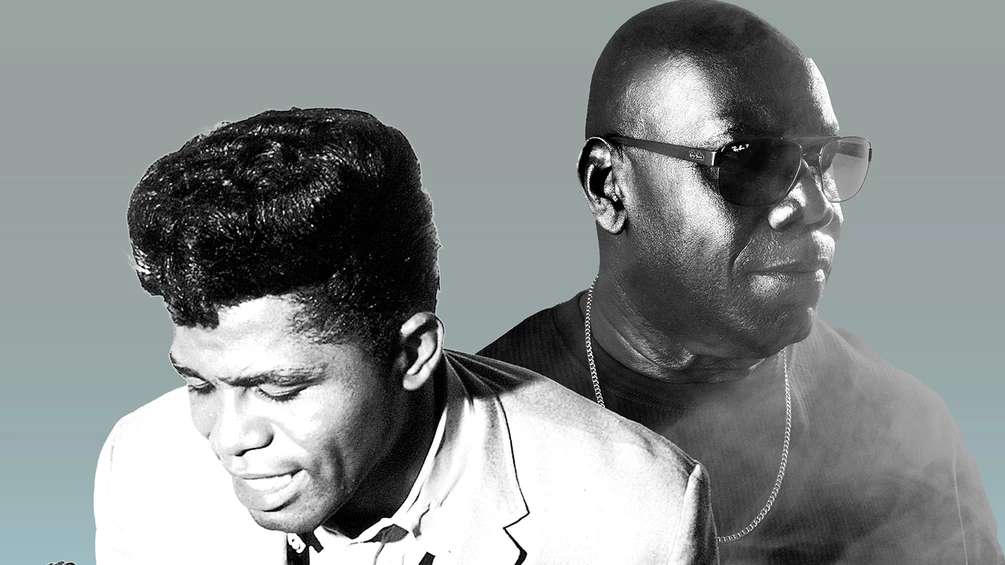
HangupsMusic.com – London, In a monumental collision of musical eras, the undisputed king of techno, Carl Cox, has unveiled a powerful contemporary interpretation of James Brown’s seminal 1968 masterpiece, "Say It Loud, I’m Black & I’m Proud." Released on Friday, February 6th, to coincide with the beginning of Black History Month in the United States, the remix serves as both a high-energy floor-filler and a poignant tribute to the enduring legacy of the Godfather of Soul. By blending the raw, funk-driven defiance of the original with the sophisticated pulse of modern house music, Cox has created a bridge between the civil rights struggles of the late 1960s and the inclusive spirit of the modern global dance floor.
The original recording of "Say It Loud, I’m Black & I’m Proud" was far more than just a hit single; it was a cultural seismic shift. Released at a time when the United States was reeling from the assassination of Dr. Martin Luther King Jr. and the height of the Civil Rights Movement, the song transformed a phrase of empowerment into a national rallying cry. For James Brown, it was a pivotal moment of artistic and social responsibility. He moved away from the more traditional R&B structures to embrace a harder, more percussive funk sound that prioritized the message as much as the groove. Now, over five decades later, Carl Cox has taken the mantle of that message, ensuring that its resonance is felt by a new generation of listeners who may be more familiar with a four-on-the-floor beat than a 1960s horn section.
Carl Cox, a figure whose own career spans the evolution of electronic music from the early UK rave scene to the massive festivals of today, approached the project with a deep sense of reverence. In an official statement accompanying the release, Cox emphasized that this remix was not merely a nostalgic exercise or a look into the archives. "Remixing ‘Say It Loud, I’m Black & I’m Proud’ isn’t about the past—it’s about keeping the fire alive," Cox explained. He noted that James Brown provided the essential foundation for much of what we hear in modern music today, from hip-hop to techno. "James Brown laid the foundation, the rhythm, the message, the pride. His legacy still moves dancefloors and minds worldwide. This is respect to the Godfather, to Black History, and to the power of music that unites us all."
The technical execution of the remix showcases Cox’s veteran understanding of tension and release. Rather than stripping the original of its soul, Cox preserves the grit and gravel of Brown’s iconic vocal performance. The call-and-response between Brown and the group of children who sang the chorus in 1968 remains the focal point, but it is now bolstered by a driving house arrangement. The funk-heavy bassline of the original is translated into a rhythmic, synth-driven groove that maintains the "pocket" James Brown was famous for, while adding the atmospheric depth required for a modern club environment. It is a masterclass in how to modernize a classic without diluting its historical weight.
The timing of the release is particularly significant. Black History Month serves as a period of reflection on the contributions and struggles of Black individuals throughout history, and in the realm of music, few figures loom as large as James Brown. However, the connection between Brown’s work and Carl Cox’s world of electronic dance music (EDM) is often overlooked by the casual listener. House and techno, the genres Cox has championed for decades, have their roots deeply embedded in Black American culture, specifically within the urban landscapes of Chicago and Detroit. By bringing a James Brown anthem into the house music sphere, Cox is effectively bringing the genre back to its spiritual and cultural home.
For Carl Cox, this release is another milestone in what is already a legendary career. Known for his "three-deck wizardry" and his long-standing association with the island of Ibiza, Cox has always been a DJ who values the "vibe" above all else. His ability to read a crowd is unparalleled, and this remix feels like a tool designed for those moments when a DJ needs to inject both energy and soul into a set. It is a reminder that dance music at its best is a form of protest and celebration rolled into one—a concept that James Brown pioneered long before the first drum machine was ever programmed.
Beyond the immediate excitement of the new remix, the announcement comes at a busy time for Cox. Just last month, the producer sent shockwaves through the industry by confirming his return to the White Isle. Cox has officially announced a residency at [UNVRS] Ibiza, set to begin in 2026. This news marks a significant homecoming for the artist, whose previous residency at the now-closed Space Ibiza lasted for an incredible 15 years and became a cornerstone of global clubbing culture. His return to the island with a new residency suggests that even after decades at the top, Cox’s "unfinished business" in the world of dance music is far from over.
The [UNVRS] residency is expected to be a forward-thinking venture, utilizing cutting-edge technology to create immersive experiences. However, as the James Brown remix demonstrates, Cox is equally committed to looking backward to honor the pioneers who made his career possible. This duality—of being a futurist while remaining a historian—is what has allowed Cox to remain relevant while many of his contemporaries have faded. He understands that for the future of music to be meaningful, it must acknowledge the rhythms and the social struggles that paved the way.
The historical impact of "Say It Loud, I’m Black & I’m Proud" cannot be overstated. When it was released, it was a radical act. It encouraged a sense of self-worth and identity during a period of intense systemic oppression. James Brown famously said that the song cost him some of his crossover audience at the time, as its overt political message was seen as "too militant" by some mainstream outlets. Yet, it became an anthem for the Black Power movement and a source of immense pride for millions. By re-releasing this message in 2025, Cox is highlighting the fact that the quest for pride, identity, and unity is a continuous journey.
In the context of the modern music industry, where remixes are often churned out for viral trends, Cox’s work stands out as a sincere piece of cultural curation. He isn’t just adding a kick drum to a classic; he is re-contextualizing a piece of history for a demographic that may be experiencing these lyrics for the first time. The house music cut is designed to work in the dark, sweaty confines of a club, where the physical reaction to the beat mirrors the emotional reaction to the message. It is a testament to the "power of music that unites us all," as Cox put it, emphasizing that the dance floor is one of the few places where people of all backgrounds can find common ground through rhythm.
As listeners dive into the Carl Cox remix of "Say It Loud, I’m Black & I’m Proud," they are invited to do more than just dance. They are invited to remember the Godfather of Soul and the era of change he helped soundtrack. They are also invited to witness the evolution of a DJ who has become a statesman of the electronic scene. With his Ibiza 2026 residency on the horizon and this powerful new release now in the wild, Carl Cox continues to prove that his influence is as much about his message as it is about his music. The fire that James Brown started in 1968 continues to burn, fueled now by the relentless energy of the man who helped define the modern dance era.
