
 By Azzam Bilal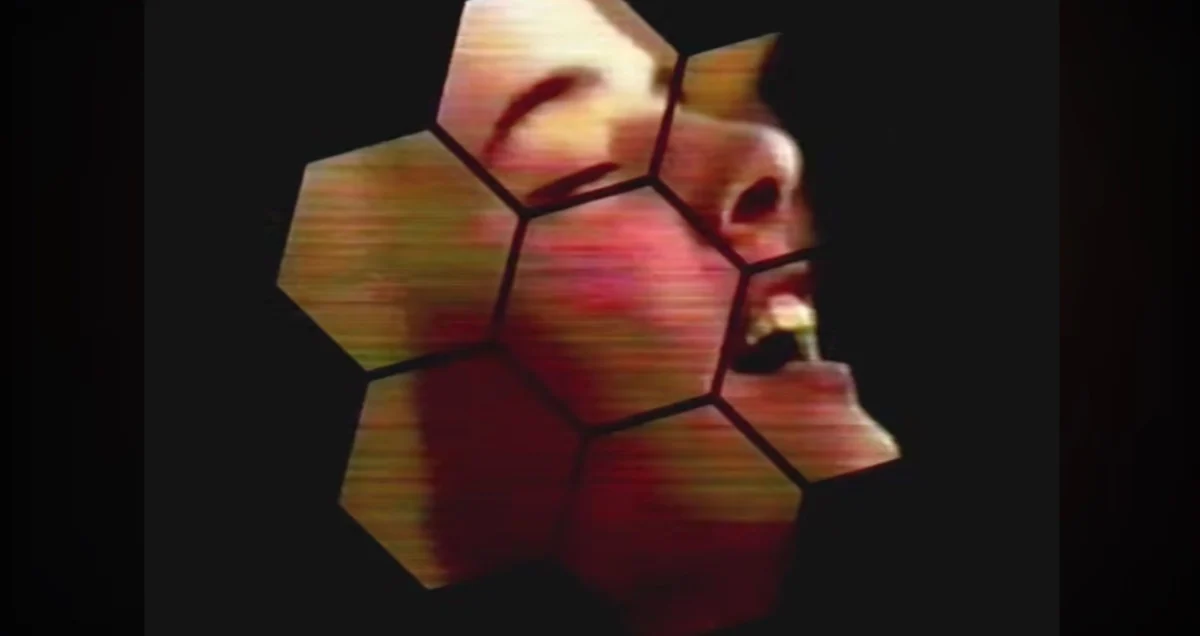
HangupsMusic.com – Edinburgh, The electronic music landscape has been transformed overnight by a series of transmissions that are as unsettling as they are exhilarating. After thirteen years of relative silence, the reclusive Scottish duo Boards of Canada appears to have broken their long-standing hiatus. The arrival of a three-minute composition titled "Tape 5" on the band’s official YouTube channel, mirrored by updates across the social media platforms of their longtime home, Warp Records, has sent shockwaves through a global community of listeners who have spent more than a decade dissecting the group’s past discography in search of signs of life. While the band has offered no formal statement or confirmation of a forthcoming album, the sheer weight of the accompanying promotional campaign suggests that this is more than a mere archival clearing.
Boards of Canada, consisting of brothers Michael Sandison and Marcus Eoin, have long occupied a unique space in the cultural consciousness. Their music—a heady, nostalgic blend of analog synthesizers, found-sound samples, and tape-saturated melodies—has defined the "hauntology" aesthetic, evoking a sense of fractured memory and pastoral dread. Since the release of their bleak, apocalyptic fourth studio album, Tomorrow’s Harvest, in 2013, the duo has largely retreated from the public eye. Aside from a few scattered remixes for artists like Nevermen and Odd Nosdam, a handful of high-quality vinyl reissues, and a sprawling two-hour NTS Radio mix in 2019, the brothers have maintained a level of anonymity that is rare in the modern digital era. However, the recent flurry of activity suggests that the "Sandison silence" has finally been broken by a meticulously planned return.
The path to "Tape 5" began not with a press release, but with a series of cryptic breadcrumbs that only the most dedicated "BoC-philes" could hope to follow. The first murmurings of a comeback surfaced nearly a year ago when a long-dormant website, previously utilized by the band for promotional puzzles, was suddenly reactivated. For years, the site had returned a standard 404 error, but in May, it was updated with a hauntingly simple message: "nobody home," accompanied by the same phrase rendered in Morse code. This subtle nod to the band’s reclusive nature served as the opening salvo in a campaign designed to reward those who pay close attention to the shadows.
The momentum shifted significantly on April 6, when reports began to emerge from the depths of Reddit and Discogs. A select group of fans and record collectors claimed to have received physical VHS tapes in the mail, unsolicited and devoid of return addresses. These tapes were emblazoned with the band’s iconic hexagon logo—a symbol that has become synonymous with their brand of psychedelic, geometric mystery. According to the exhaustive efforts of the community-run BoC Pages wiki, the audio contained on these tapes is as esoteric as the band’s own music. It features an advertisement for a Christian Bible school magazine that ceased publication in 1991, layered over grainy, degraded visuals. This choice of source material perfectly aligns with the band’s career-long obsession with the educational films and public broadcasting aesthetics of the 1970s and 80s, creating a bridge between their past influences and their current mystery.
This grassroots, physical-media-led campaign soon expanded into the real world with a global poster blitz. In cities across the world, including London, New York, and various locations in California, posters began to appear featuring artwork that heavily echoed the aesthetic of their 1998 masterpiece, Music Has the Right to Children. Perhaps the most significant sighting occurred at the Liquidroom in Shibuya, Japan—a venue with deep ties to the electronic music underground. These posters, characterized by their blurred, sun-bleached imagery and minimalist typography, signaled that the campaign had moved from the digital fringes into the physical urban environment. Warp Records, while remaining officially tight-lipped, fueled the fire by sharing an Instagram carousel featuring these posters, notably placing them alongside advertisements for other high-profile, cryptic comeback campaigns, suggesting a coordinated effort to dominate the cultural conversation.

"Tape 5," the centerpiece of today’s revelation, provides the first sonic evidence of where Boards of Canada might be heading. The track is a masterclass in the duo’s signature style: a slow-motion drift of woozy, detuned synths and a rhythmic pulse that feels like it’s being exhaled rather than programmed. It carries the familiar patina of magnetic tape hiss and the ghost of a melody that feels both comforting and deeply alien. For many fans, the title "Tape 5" is the most tantalizing detail of all. Given that the duo has released four primary studio albums—Music Has the Right to Children, Geogaddi, The Campfire Headphase, and Tomorrow’s Harvest—the number five strongly implies that a fifth full-length LP is on the horizon. In the world of Boards of Canada, nothing is accidental, and the numerical titling is likely a deliberate signal to their audience.
The influence of Boards of Canada cannot be overstated. Over the course of nearly thirty years, they have pioneered a sound that manages to be both deeply personal and strangely universal. Their work often explores themes of childhood, nature, mathematics, and the slow decay of technology. By shunning the limelight and refusing to participate in the traditional music industry machine, they have cultivated a mythos that few other acts can claim. Their return comes at a time when the "analog revival" they helped inspire is at its peak, with a new generation of producers and listeners seeking out the warmth and imperfection of vintage hardware.
However, the world into which Boards of Canada is returning is vastly different from the one they left in 2013. Tomorrow’s Harvest was an album of its time, reflecting a post-recession anxiety and a growing concern over environmental collapse. If a new album is indeed imminent, listeners are eager to hear how the brothers interpret the chaotic, hyper-connected, and increasingly surreal landscape of the mid-2020s. Will they continue the cold, rhythmic precision of their last record, or will they return to the warmer, more organic textures of their early EPs? "Tape 5" suggests a middle ground—a sound that is atmospheric and expansive, yet grounded in the tactile reality of physical media.
The brilliance of this campaign lies in its refusal to provide easy answers. In an era of instant gratification and over-saturation, Boards of Canada requires their audience to work. They turn the act of being a fan into a form of detective work, transforming the release of music into a communal event built on shared discovery and speculation. This latest puzzle, involving Morse code, VHS tapes, and global street art, has successfully recaptured the sense of wonder that first surrounded the band in the late 90s. It reminds us that in a world where everything is tracked and data-mined, there is still room for genuine mystery.
As of this afternoon, Warp Records has not issued a formal release date or a title for a potential new album. The "Tape 5" video remains on YouTube as a solitary, haunting transmission, accumulating hundreds of thousands of views as fans around the world listen for hidden messages or back-masked clues. Whether this leads to a surprise digital drop or another year of slow-burn teasing remains to be seen. What is certain, however, is that the hexagon has returned to the center of the frame, and the world of electronic music is much richer for its presence. For now, the "nobody home" message has been replaced by a much louder, though no less mysterious, sound. Boards of Canada are back, and they are inviting us to listen closer than ever before.
