
 By admin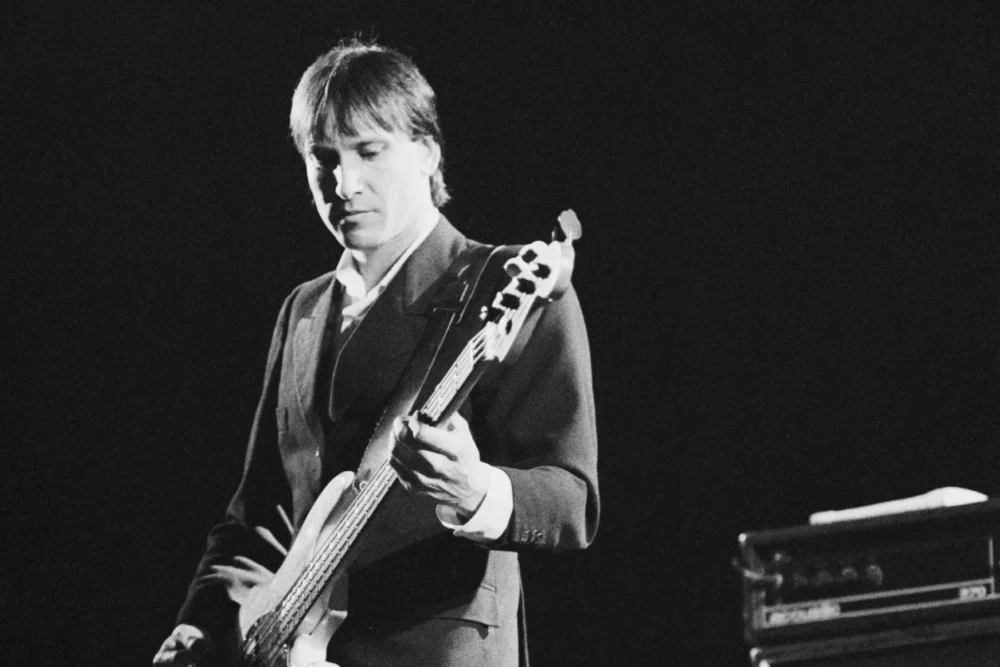
HangupsMusic.com – It is with profound sadness that the music world mourns the passing of Fred Smith, the esteemed bassist whose foundational artistry anchored the iconic New York rock band Television. Smith, a musician celebrated for his intricate yet understated approach, passed away on Thursday, February 5, at the age of 77. The news was confirmed by his bandmates, who shared the somber announcement across social media platforms. While the precise cause of death was not disclosed, a statement from the band indicated that Smith had bravely confronted an unspecified illness "long and hard these last few years," a testament to his quiet resilience. His departure marks another significant loss for a band that only recently bid farewell to its visionary frontman, Tom Verlaine, in January 2023.
Smith’s journey through the burgeoning landscape of New York’s punk and new wave scene began even before Television solidified its legendary status. His early musical endeavors saw him as the original four-string anchor for Angel and the Snake, a nascent outfit that would soon evolve into the globally recognized phenomenon known as Blondie. This formative period, characterized by a vibrant and often fluid music community centered around venues like CBGBs and Max’s Kansas City, allowed Smith to hone his craft amidst a crucible of raw creativity. His contributions to the nascent Blondie sound laid an early groundwork, even if his tenure was brief.
In 1975, a pivotal moment in his career and in rock history unfolded. Smith made the consequential decision to depart from Blondie, seeking a different artistic path that led him directly to Television. He stepped into the role vacated by Richard Hell, whose confrontational stage presence and raw aesthetic had defined Television’s initial incarnation. Smith’s arrival signaled a shift, ushering in a period of sophisticated musical exploration that would come to define Television’s unique sound. His integration into the band alongside guitarists Tom Verlaine and Richard Lloyd, and drummer Billy Ficca, formed a formidable quartet whose collective chemistry would soon produce some of the most enduring and influential music of the era.
Television distinguished itself from its punk contemporaries by embracing complexity, melodicism, and extended instrumental passages rather than raw, three-chord aggression. Fred Smith’s bass playing was absolutely crucial to this distinctive identity. Unlike many bassists of the era who opted for simple, driving root notes, Smith crafted sophisticated, counter-melodic lines that intertwined seamlessly with Verlaine and Lloyd’s famously interlocking guitar work. His bass wasn’t merely a rhythmic backbone; it was an integral voice in the band’s intricate conversations, providing a rich harmonic foundation and a subtle melodic counterpoint that elevated Television’s compositions to an intellectual and emotional depth rarely found in the nascent punk scene.
This masterful approach was vividly showcased on their seminal 1977 debut album, Marquee Moon. Widely regarded as a masterpiece, the album redefined the possibilities of guitar-driven rock, moving beyond genre constraints with its expansive song structures and lyrical introspection. Smith’s bass lines on tracks like the epic title track, "See No Evil," and "Friction" are lessons in musical elegance and economy. He understood the power of space and precision, never overplaying, always serving the song with an intuitive sense of what was essential. His contributions were the bedrock upon which Verlaine and Lloyd could weave their intricate sonic tapestries, providing both propulsion and a subtle, yet undeniable, melodic anchor. The following year, 1978, saw the release of Adventure, another critically acclaimed album that further solidified Television’s reputation for intelligent, artful rock. Smith’s bass work continued to be a highlight, demonstrating his versatility and unwavering commitment to the band’s unique vision.
Following Television’s initial disbandment in 1978, Smith remained an active and sought-after musician. His distinctive talents graced a diverse array of projects, showcasing his adaptability across various musical landscapes. He lent his skills to solo endeavors by his former bandmates, contributing to albums by both Tom Verlaine and Richard Lloyd, further cementing their collaborative bond outside the Television framework. Beyond his immediate circle, Smith’s bass artistry enriched the recordings of numerous other artists. He collaborated with The Roches, a folk-rock trio known for their intricate harmonies and idiosyncratic songwriting, demonstrating his ability to adapt his sophisticated style to a different sonic palette. His work with Willie Nile, Peregrins, and The Revelons further underscored his reputation as a reliable and inventive sideman, a musician whose contributions consistently elevated the material he touched, regardless of genre. These collaborations painted a picture of a bassist deeply respected by his peers, someone whose musical intelligence and tasteful execution were highly valued across the industry.
The enduring appeal of Television’s music led to a highly anticipated reunion in 1992. This comeback was marked by the release of their third, self-titled album, which saw Smith, Verlaine, Lloyd, and Ficca return to the studio. The album, released fourteen years after Adventure, was met with critical praise, proving that the band’s unique chemistry remained intact. Smith’s bass playing on the album was as vital and intricate as ever, demonstrating that his musical voice had only deepened with time. The reunion wasn’t a fleeting moment; Smith continued to perform with Television onstage throughout the 2000s, participating in tours and live appearances that allowed new generations of fans to experience the band’s legendary sound firsthand. These later performances were a testament to the timeless quality of their music and the enduring bond between the band members, with Smith consistently providing the subtle yet powerful underpinning that defined their live sound.
In the wake of Smith’s passing, heartfelt tributes poured in, none more poignant than the words shared by his longtime bandmate, Jimmy Rip. Rip, who joined Television later in their career but shared a deep bond with Smith, remembered him not merely as a fellow musician but as a "true friend" for an incredible 46 years. His statement painted a vivid picture of Smith’s character, highlighting his invaluable presence during the often-grueling realities of life on the road. "He was the guy you wanted around when road life got wearisome," Rip reminisced, emphasizing Smith’s quiet strength and calming influence.
Rip also eloquently captured the essence of Smith’s distinctive personality, noting that his "sense of humor, much like his musical voice, was dry, subtle, to the point, hilarious and always left you wanting a more." This description perfectly encapsulates the intelligent, understated wit that often characterized Television’s music itself, suggesting a deep congruence between Smith’s character and his artistic output. The profound sense of loss was palpable in Rip’s words: "Yesterday, he left this world, leaving so many who loved him wanting so much more…of him." This sentiment resonated deeply with fans and fellow musicians alike, who understood the irreplaceable void left by Smith’s departure.
Perhaps most significantly, Rip offered a musician’s insight into Smith’s unique contribution to the world of bass playing. He urged listeners to "go to school on what Fred created so effortlessly," describing him as a "natural" who was "never flashy, always essential – always serving the song in ways that only the greatest musicians can." This articulation perfectly distills Smith’s genius: his ability to craft melodic bass lines and counterpoint that were technically sophisticated yet felt utterly organic and indispensable to the overall composition. He wasn’t one for virtuosic displays; instead, his mastery lay in his impeccable taste, his profound understanding of harmony, and his unerring ability to enhance, rather than dominate, the musical narrative. His bass lines were an integral part of Television’s sound, providing a lyrical counterpoint to the dual guitar attack of Verlaine and Lloyd, creating a tapestry of sound that was both intricate and effortlessly cool.
Rip’s tribute also carried a bittersweet note, revealing that he and Smith had made plans to play music by Tom Verlaine in the coming year, a poignant gesture to honor their recently departed frontman. "It wasn’t meant to be," Rip lamented, highlighting the suddenness of Smith’s death and the tragic timing that prevented this final collaboration. Despite the unfulfilled musical plans, Rip found solace in their final exchange: "Thankfully, we were able to say goodbye, ‘love you’ were our last words to each other." His message concluded with a heartfelt declaration: "I will miss him more than anyone can imagine," a sentiment undoubtedly shared by many who knew and admired Fred Smith.
Fred Smith’s legacy is that of a quiet giant, a musician whose profound impact was felt not through flamboyant showmanship but through the sheer elegance and intelligence of his playing. He was an architect of sound, laying down foundations that were simultaneously sturdy and graceful, allowing his bandmates to build towering sonic structures upon them. His tenure with Television, particularly his work on Marquee Moon, stands as a masterclass in melodic bass playing and serves as a testament to the power of subtlety and precision in rock music. He helped define a sound that was both intellectually rigorous and deeply soulful, influencing countless musicians who sought to push the boundaries of conventional rock. In an era often defined by explosive energy, Fred Smith offered a sophisticated counterpoint, proving that true artistry often resides in the essential, the nuanced, and the enduring. His contributions will continue to resonate for generations, a quiet but powerful force in the annals of rock and roll.
