 By Azzam Bilal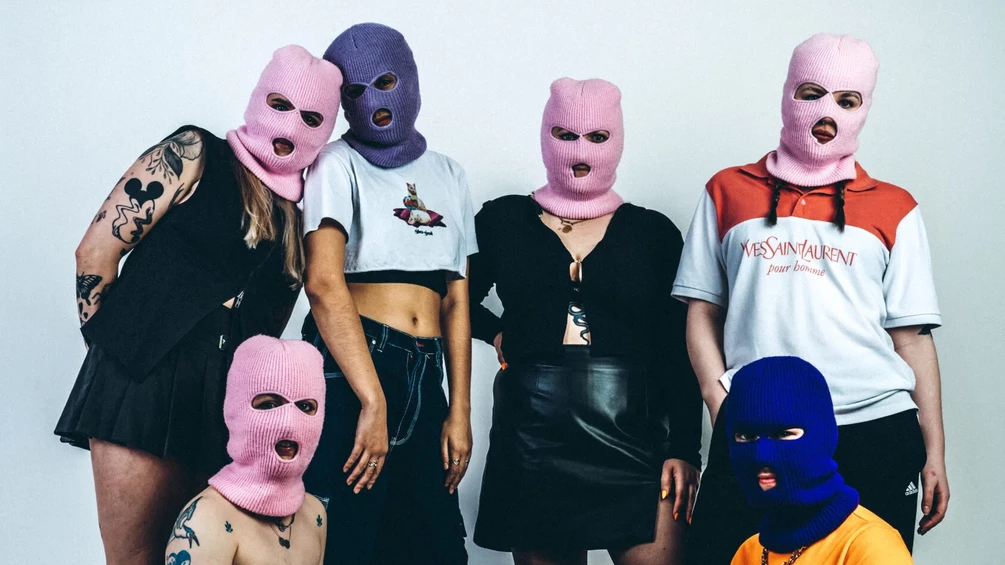
HangupsMusic.com – Manchester, The landscape of the United Kingdom’s electronic music industry is currently undergoing a period of intense scrutiny as prominent voices within the community warn of a significant "regression" in gender diversity. At the heart of this conversation is the Manchester-based collective NOT BAD FOR A GIRL (NBFG), which has issued a poignant and urgent open letter addressing what it perceives as a systemic failure to maintain the progress made toward inclusive programming. Published on February 5, 2026, the letter serves as both a critique of current booking trends and a roadmap for structural reform, directed at a broad spectrum of industry stakeholders including promoters, festival directors, performing artists, and the ticket-buying public.
The collective’s intervention comes at a time when the first wave of 2026 festival announcements has begun to populate social media feeds, providing a snapshot of the industry’s priorities for the coming year. According to NBFG, the data drawn from these early reveals suggests that the momentum gathered during the early 2020s toward achieving gender balance has not only stalled but is actively reversing. The collective expressed a profound sense of disillusionment, noting that while they once harbored hopes of reaching a 50/50 gender split by 2030, the current trajectory suggests that the industry is drifting further away from that milestone than it was several years ago.
The statistics cited by NBFG are particularly stark. In an analysis of two major UK dance music festivals scheduled for the 2026 season, the collective found that male artists continue to dominate the highest tiers of visibility. At one prominent event, men accounted for nearly 80% of the total bookings. Even more telling was the distribution of "prestige" slots; only one woman was featured within the first two rows of the lineup poster, and every single one of the eight headline positions was occupied by an all-male act. At a second, unnamed festival, the disparity was even more pronounced, with 87% of the top eleven billing lines featuring men. Across the entire lineup of this second event, nine out of ten artists were male. Perhaps most concerningly, NBFG highlighted that neither of these major festivals included a single openly trans or non-binary performer in their initial announcements.
Martha Bolton, the founder and director of NOT BAD FOR A GIRL, articulated the personal and professional frustration behind the letter in a conversation with industry press. Speaking from her perspective as both a curator and a dedicated music fan, Bolton emphasized that the lack of representation has a tangible impact on consumer behavior and community engagement. She noted that her willingness to invest in festival tickets is directly tied to the diversity of the lineup, stating that audiences are increasingly seeking environments where they see themselves reflected behind the decks. According to Bolton, the disappointment she feels is shared by a vast segment of the dance music community who feel "let down" by the current state of affairs.
The open letter is careful to frame the issue of diversity not as an optional "bonus" or a fleeting trend, but as a fundamental requirement for a healthy, fair, and creative music culture. NBFG argues that imbalanced lineups have a cascading effect on the industry, impacting everything from the career longevity of underrepresented artists to the overall safety and inclusivity of the dancefloor. The collective asserts that female and gender-diverse artists have already proven their commercial and artistic viability, contributing significantly to the UK’s multi-billion-pound live music revenue and consistently winning top industry accolades. Despite this, the gatekeepers of major stages appear to be retreating into traditional, male-heavy booking patterns.
To combat this regression, NBFG’s letter outlines a multi-faceted "pledge" that calls for collective responsibility rather than individual blame. The collective identifies four distinct pillars of action, each tailored to a different sector of the industry. For promoters and talent buyers, the call is for a radical reassessment of booking habits. This includes an honest examination of who holds the power to program stages and a commitment to looking beyond the "established circuits" of management and agencies that often favor the status quo. Transparency is also a key demand, with NBFG urging festivals to be open about their diversity targets and the progress—or lack thereof—they are making.
Performing artists are also encouraged to use their leverage to effect change. NBFG suggests that established acts should implement "inclusion riders" in their contracts, which mandate a certain level of diversity on any lineup they are part of. Artists are also urged to use their social media platforms to spotlight emerging, underrepresented talent, mirroring NBFG’s own practice of debuting a new gender-diverse artist at every event they curate. The collective believes that if high-profile artists begin to question the composition of the bills they are invited to play, promoters will be forced to take notice.
The third pillar of the pledge focuses on the fans. NBFG encourages the audience to "vote with their wallets" by prioritizing events that demonstrate a genuine commitment to representation. By supporting inclusive club nights and festivals, fans can send a clear market signal to large-scale organizers that diversity is a commercial necessity. Bolton also highlighted the importance of supporting the grassroots scene, noting that attending smaller club nights with fewer than 100 people is one of the most effective ways to sustain the pipeline of talent that will eventually fill festival stages.
Finally, the letter invites "everyone else who cares" to join the movement by signing the pledge and engaging in constructive, public conversations about representation. The goal is to move away from the "culture of shame" that emerged following the pandemic—where festivals were often called out on social media without a path for improvement—and instead foster a collaborative environment where industry players work together to fix structural misogyny. Bolton pointed out that just as it is not the sole responsibility of women to fix sexism, it should not be the sole responsibility of gender-diverse people to ensure their own inclusion in the music industry.
The response to NBFG’s letter has been significant, garnering endorsements from a wide array of influential figures within the electronic music world. High-profile DJs and producers such as Jyoty, Jamz Supernova, Saoirse, Mall Grab, salute, Romy, HAAi, and Dixon have all signaled their support. Furthermore, major industry entities like Defected Records, the Association For Electronic Music (AFEM), and the inclusive club brand He.She.They have added their weight to the cause. Bolton described the outpouring of support as "overwhelming," suggesting that the industry is finally ready for a deeper, more sustained conversation about how to break the cycle of regression.
Looking toward the future, NOT BAD FOR A GIRL is not content with merely issuing a letter. The collective is currently exploring several ambitious projects designed to provide long-term solutions. One such initiative is the development of an NBFG-curated festival, which would feature an entirely gender-diverse lineup and production crew, serving as a blueprint for what an inclusive large-scale event can look like. Additionally, the group is researching a "B Corp-style" certification model for the music industry. This system would allow events to be officially endorsed or certified if they meet specific, measurable standards for gender diversity in their programming and hiring practices.
As the 2026 festival season continues to announce more lineups, the impact of NBFG’s intervention remains to be seen. However, the collective’s message is clear: the era of treating diversity as a box-ticking exercise is over. For the UK electronic scene to remain a global leader in creativity and community, it must address the structural barriers that are currently pushing women, trans, and non-binary artists to the margins. The open letter serves as a reminder that the progress made in previous years was hard-won and can be easily lost without constant vigilance and a collective commitment to fairness. Supporters and industry members who wish to read the full letter or sign the pledge are encouraged to visit the NBFG website and follow their ongoing work on social media.
