
 By Rose Miami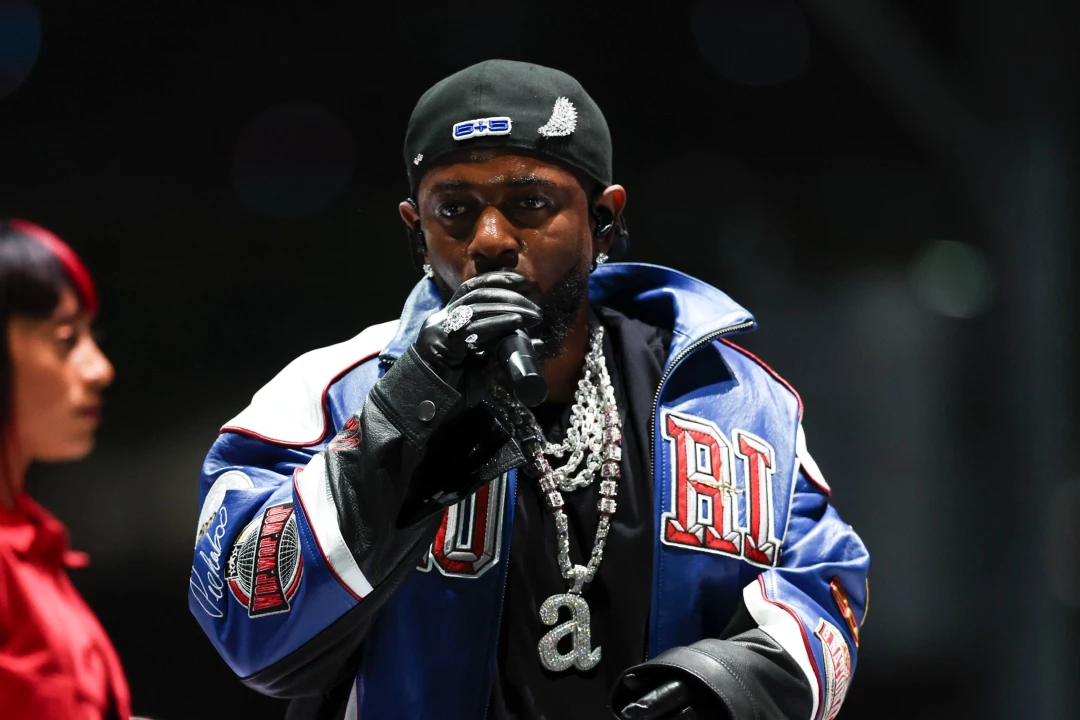
HangupsMusic.com – While anticipation buzzed around Bad Bunny’s highly anticipated performance at the 2026 Super Bowl, official viewership figures released by NBC on Tuesday, February 10th, confirm that Kendrick Lamar’s electrifying 2025 halftime show still holds the crown as the most-watched in history. Bad Bunny’s performance garnered an impressive 128.2 million viewers, a significant number that nonetheless falls short of the staggering 133.5 million who tuned in for Lamar’s monumental set the previous year.
The 2025 Super Bowl halftime show, headlined by Lamar, was a masterclass in artistic expression and cultural impact. The Compton rapper’s performance was elevated by a captivating guest appearance from R&B sensation SZA, a collaboration that would later be mirrored by the immense success of their joint world tour, a record-breaking endeavor that dominated the global music landscape. Lamar’s setlist drew heavily from his critically acclaimed GNX album, a project that had recently seen unprecedented Grammy success just the week prior to the Super Bowl. Notably, the controversial yet undeniably impactful Drake diss track, "Not Like Us," was a central feature of his performance, having secured five prestigious Grammy Awards, including Record of the Year, Song of the Year, Best Rap Song, Best Rap Performance, and Best Music Video. This multifaceted performance cemented Lamar’s status as a cultural juggernaut, resonating deeply with a massive audience.

In stark contrast to Lamar’s uncontested dominance, Bad Bunny’s 2026 halftime show faced an unusual challenge: a deliberately orchestrated counter-programming event. In an apparent move to challenge the NFL’s artistic direction, the right-wing non-profit Turning Point U.S.A. organized an alternative halftime show. This competing broadcast, featuring performances by artists such as Kid Rock, Brantley Gilbert, Lee Brice, and Gabby Barrett, managed to attract an estimated 5.1 million viewers, drawing a segment of the audience away from the primary NFL broadcast. While this number is considerably smaller than the main event, it represents a notable diversion and highlights the polarized cultural landscape surrounding such high-profile entertainment.
Despite the presence of this alternative, Bad Bunny’s performance itself was a star-studded affair, designed to captivate a broad demographic. The Puerto Rican superstar brought out a constellation of guest artists, including the legendary Lady Gaga and fellow Latin music icon Ricky Martin. A surprise cameo from rap superstar Cardi B further amplified the spectacle, aiming to maximize viewership and engagement. NBC has indicated that the full global viewership figures for the Apple Music Super Bowl LX Halftime Show will be released early next week, suggesting that the current domestic tally might see an upward adjustment once international numbers are factored in. However, even with this potential increase, the initial domestic figures indicate that Kendrick Lamar’s 2025 performance remains the benchmark for Super Bowl halftime show viewership.
The sustained record held by Kendrick Lamar underscores the profound impact of his artistic vision and his ability to connect with an immense audience. His 2025 performance was not merely a musical act; it was a cultural moment that resonated deeply, weaving together critical acclaim, commercial success, and widespread cultural relevance. The narrative surrounding Super Bowl halftime shows has often been about drawing the largest possible audience, and Lamar’s historic viewership figures firmly plant him at the pinnacle of this achievement. While Bad Bunny’s performance was undoubtedly a significant event in its own right, the data clearly shows that K-Dot continues to reign supreme in the annals of Super Bowl halftime show viewership. The sheer scale of Lamar’s audience that night solidified his position as one of the most influential artists of his generation, a testament to his lyrical prowess, innovative production, and undeniable stage presence. The record he set is not just a number; it represents a cultural phenomenon that continues to captivate and inspire, setting a high bar for any performer aspiring to achieve similar levels of widespread recognition and engagement during the world’s most-watched sporting event. The ongoing analysis of these viewership trends provides a fascinating glimpse into the evolving landscape of mass media consumption and the enduring power of iconic musical performances to capture the collective attention of millions.
