
 By admin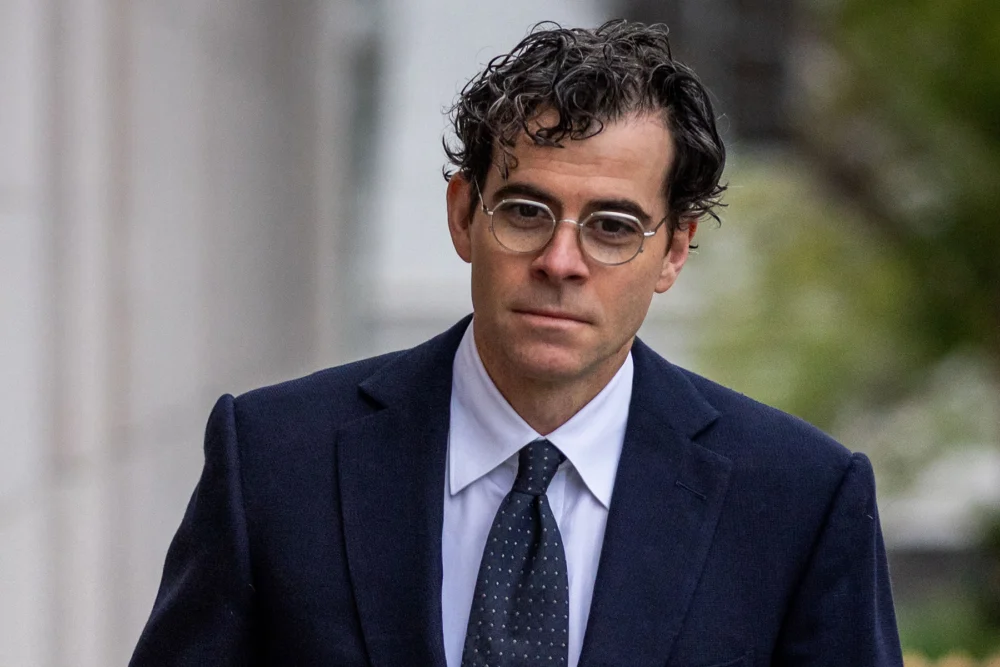
HangupsMusic.com – Los Angeles, California – The digital world’s profound influence on youth well-being took center stage in a downtown Los Angeles courtroom this week as Adam Mosseri, the influential head of Instagram, offered pivotal testimony in a landmark legal battle. Appearing as an "adverse witness," Mosseri faced intense questioning in a trial that seeks to hold social media giants, Meta’s Instagram and Google’s YouTube, accountable for allegedly functioning as "digital casinos" – intricately designed platforms that, according to plaintiffs, exploit dopamine-driven reward systems to keep children endlessly engaged despite known psychological risks. This bellwether case, poised to set significant precedents, marks a critical juncture for the tech industry, placing its design philosophies and content moderation practices squarely under the legal microscope.
Mosseri, a central figure in the Meta hierarchy, found his carefully constructed testimony challenged almost immediately upon taking the stand. The plaintiff’s legal team confronted him with a podcast interview from March 2020, where he had unequivocally stated, "There’s such a thing as being addicted to a social media platform." In a packed courtroom, Mosseri swiftly retracted the statement, attributing it to a slip of the tongue. "Clearly, I wasn’t careful with my words during that podcast," he explained to the jury, acknowledging human fallibility with, "Sometimes I make mistakes." This recantation underscored a central tension of the trial: the definition and acknowledgement of addiction in the context of digital platforms. Later in his testimony, after disclosing his substantial compensation from Meta—exceeding $45 million since joining in 2008—Mosseri refined his position. He conceded the existence of "using a social media platform more than you feel good about," but meticulously categorized such behavior as "problematic use" rather than a "clinical addiction." This nuanced distinction is critical to Meta’s defense, aiming to separate widespread engagement from a recognized medical condition, thereby mitigating culpability for alleged harm.
The proceedings represented a significant moment for Mosseri, marking his inaugural appearance under oath in a civil trial connected to the burgeoning wave of personal injury lawsuits—thousands strong—filed against social media companies over the past four years. The current case revolves around a single plaintiff, identified only as K.G.M., a 20-year-old California woman. Her lawsuit contends that specific design elements within Instagram and YouTube fostered an addictive dependency during her formative years, leading to a cascade of debilitating harms, including severe anxiety, pervasive body dysmorphia, instances of self-harm, and deeply distressing suicidal ideation. Her narrative, presented as a representative case, seeks to illuminate the potential for systemic harm embedded within these platforms.
Throughout several hours of cross-examination, the 43-year-old Mosseri, a married father of three, maintained a calm and collected demeanor. He expressed a personal disinclination for Facebook’s once-ubiquitous mantra, "move fast and break things," indicating a preference for the more measured approach encapsulated by "slow is smooth and smooth is fast." This preference, he suggested, reflected the company’s evolving commitment to safety. He further highlighted Meta’s proactive measures, detailing the implementation of parental-control settings that empower guardians to enforce "hard" daily usage limits and designate "blackout periods" for their children, presenting these as evidence of Instagram’s dedication to fostering a safe digital environment.
However, the courtroom atmosphere grew palpably tense during questioning regarding a series of internal emails exchanged between late 2019 and April 2020. These communications brought to light a significant internal debate surrounding "beauty filters"—augmented reality features that allow users to digitally alter physical characteristics such as nose shape or lip size. Margaret Gould Stewart, then Meta’s vice president of product design, spearheaded an initiative within these emails to permanently "disallow" such transformative filters, citing concerns about their impact on user self-perception. Mosseri acknowledged the extensive internal discourse this proposal triggered. "We tried to draw a line at only allowing effects you could recreate with makeup," he testified, candidly admitting, "In practice, we had trouble defining that line." The difficulty in establishing this boundary underscored the complex ethical and design challenges inherent in content moderation within a rapidly evolving technological landscape.
Further emails presented to the jury revealed the internal dissent and strategic considerations at play. Andrew Bosworth, Meta’s chief technology officer, suggested that Mark Zuckerberg, the company’s founder, might need to personally review the filter proposal, raising questions about the sufficiency of data demonstrating concrete harm. John Hegeman, then a senior executive, voiced concerns that a blanket ban might be overly focused on the United States and could inadvertently compromise the company’s competitive standing in crucial Asian markets, particularly India, where beauty filters often hold significant cultural traction. Bosworth, while conceding that filters promoting plastic surgery went "too far," expressed a broader reluctance to adopt "too aggressive a stance." He articulated a strategic apprehension: "I worry if we’re too severe in denying users something for which they have demand, then all we will do in practice is move them into other apps which aren’t likely to be as restrained." This perspective illuminated a core dilemma for platforms: how to balance user demand and competitive pressures against the imperative of user well-being.
Mosseri’s own follow-up emails indicated general agreement with Hegeman’s concerns, although he suggested a different framing for the argument. By March 2020, he had lent his support to an option that would reverse the company’s temporary ban on all beauty filters, while simultaneously ensuring that the most extreme and potentially harmful ones would be excluded from algorithmic recommendations. Ultimately, Instagram opted to reinstate the majority of its filters, maintaining a targeted ban only on those explicitly deemed to promote plastic surgery. This decision, however, did not quell the internal ethical debate. In an April 2020 email addressed directly to Zuckerberg, Gould Stewart expressed her profound disagreement: "I don’t think it’s the right call given the risks," she wrote, adding a poignant personal appeal, "As a parent of two teenage girls… I can tell you the pressure on them and their peers coming through social media is intense with respect to body image." Her words highlighted the direct human cost perceived by some within the company.
Mark Lanier, the plaintiff’s lawyer, seized upon this internal divergence, pointing out that not only did Instagram reinstate most filters, but Mosseri himself had seemingly aligned with executives advocating for their restoration, albeit with caveats regarding visibility. Lanier directly accused Mosseri of prioritizing financial gain over the welfare of young users. Mosseri vehemently refuted the accusation. "I’m telling you with full conscience that I was never worried about any of this affecting our stock price," he testified, asserting his focus was squarely on "teen well-being" and the challenge of balancing multiple considerations. He reiterated his satisfaction with the final outcome, specifically the ban on plastic surgery-promoting filters. Mosseri attributed his apparent earlier support for reinstating all filters to potentially having "misread" a prior email, acknowledging the volume of correspondence he handled. "Clearly, I can see what I wrote here, but I [also] see where we ended up. And I stand by where we ended up," he affirmed.
His testimony before the jury of six men and six women concluded with a reflection on the complexities of his role. He emphasized his responsibility to consider "both the upsides and the downsides" of any decision. "We want to be careful about banning things because people get really upset. They feel they’re being censored, and they get really angry about that," he explained, framing content moderation as a delicate tightrope walk. "I believe it’s our responsibility to keep people safe, particularly minors," he stressed, while concurrently upholding the principle: "We’re trying to be as safe as possible but also censor as little as possible." This statement encapsulates the core tension at the heart of the digital platform dilemma.
The emotional toll of the proceedings was evident in the courtroom gallery. Lori Schott, a Colorado mother with her own pending lawsuit against Instagram, was observed weeping as Mosseri testified. Her 18-year-old daughter, Annalee, tragically died by suicide in November 2020 after allegedly being deluged with content related to disordered eating, self-injury, and suicide on the platform. "Anna’s life played out in that courtroom today. Every email threw me back to her story. It was gut-wrenching," Schott shared with Rolling Stone during a lunch break. "They knew that what they were doing harmed so many girls who will struggle for the rest of their lives. It’s there in black and white in the emails. They added the features tactically. That was hard to see. It matched Anna’s story to a T. I remember driving her home with her senior class photos, and she said, ‘That can’t be me. They’re too pretty.’ That kept playing in my mind in the courtroom. They had an ability to put a stop point, and they didn’t." Her powerful testimony underscored the profound personal consequences alleged by the plaintiffs.
The trial is slated to continue throughout the remainder of the month, with Mark Zuckerberg, Meta’s founder, anticipated to testify next week, followed by the plaintiff, K.G.M., herself. While the outcome of this bellwether case will not be legally binding on the multitude of other lawsuits, it is expected to establish crucial standards for evidence and procedural frameworks that will influence subsequent trials. Mosseri’s final moments on the stand addressed the persistent accusation that Meta has not done enough to safeguard its younger users. "I want to be really clear. I think the world is changing increasingly quickly, and Instagram needs to change along with it to stay relevant," he concluded. "So you will always be able to, at any point, look back over a couple years and point out features that didn’t exist before. We’re going to always try to improve and launch new features. Honestly, I feel that’s something I’m proud of, innovating and improving ways to try to keep teens, to give teens a positive experience on the platform." His statement painted a picture of continuous evolution and a commitment to positive user experience, even as the legal battle over past practices rages on.
