
 By Azzam Bilal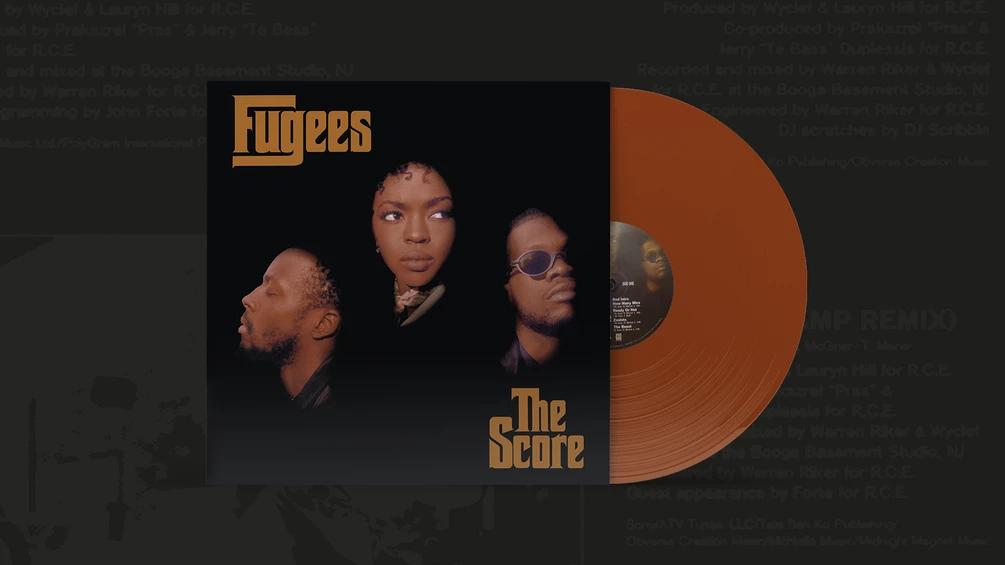
HangupsMusic.com – NEWARK, The mid-1990s represented a volatile crossroads for hip-hop, a period defined by skyrocketing commercial heights and devastating internal friction. As the genre navigated the closing chapters of its "Golden Age," it was caught between the escalating hostilities of the East Coast-West Coast rivalry and a looming moral panic from mainstream critics who viewed Black youth culture through a lens of fear. The 1995 Source Awards had already signaled a seismic shift; while Suge Knight and Puff Daddy traded barbs, André 3000 famously declared that the South had something to say, effectively shattering the coastal duopoly. Yet, amidst this clamor for dominance, a trio from New Jersey was quietly preparing a sonic revolution that would prioritize collective identity and musical fluidity over bravado. When Fugees released The Score on February 13, 1996, they didn’t just join the conversation—they rewrote the dictionary of what alternative hip-hop could achieve on a global scale.
The path to The Score was paved with the lessons of failure. Two years earlier, Lauryn Hill, Wyclef Jean, and Pras Michel had debuted with Blunted on Reality, an album that struggled to find its footing. Despite the group’s obvious talent, the record was a victim of over-production and a lack of creative autonomy, selling a meager 12,000 copies upon its initial release. Critically, it was dismissed as a derivative attempt to capture the jazzy boom-bap energy popularized by groups like A Tribe Called Quest. However, the internal bond between the three schoolfriends remained unshaken. Their label, Ruffhouse Records, saw a spark that the public had yet to catch, granting them a $135,000 advance and, perhaps more importantly, the freedom to produce their follow-up on their own terms.
This freedom manifested in the "Booga Basement," a makeshift studio in the home of Wyclef’s uncle in East Orange, New Jersey. This subterranean space became a sanctuary where the group could experiment away from the watchful eyes of industry executives. The basement was more than a recording booth; it was a cultural laboratory where Caribbean heritage, American soul, and gritty street poetry collided. By the time the sessions concluded, the Fugees had crafted what Lauryn Hill famously described as an "audio-film." The Score was designed to be cinematic, utilizing a narrative structure that felt more like a sprawling motion picture than a standard collection of singles.
At the heart of the album’s resonance was its unapologetic embrace of the "Refugee" identity. The group’s name was a deliberate reclamation of a derogatory term often used to marginalize Haitian immigrants. During the early 90s, the political climate in the United States was particularly hostile toward Haitian asylum seekers, many of whom were subjected to detention at Guantanamo Bay or deported under the guise of public health concerns. For Pras and Wyclef, both of Haitian descent, claiming the title of "Fugee" was a radical act of solidarity. Even Lauryn Hill, though born in New Jersey, was considered "Haitian by association," fully immersing herself in the struggle and the stories of the displaced. This thematic backbone gave the album a moral weight that distinguished it from the "shiny suit" commercialism that was beginning to dominate the airwaves.
Musically, The Score was a masterclass in eclectic sampling and live instrumentation. The production team, which included the trio alongside Jerry "Wonda" Duplessis, Salaam Remi, and Diamond D, pulled from a dizzying array of influences. They sampled the haunting Enya track "Boadicea" for the atmospheric "Ready or Not," a move that nearly resulted in a lawsuit until the Irish singer reportedly realized the group’s message was far more nuanced than the "gangsta rap" stereotypes she feared. On "Killing Me Softly With His Song," the group reinvented the Roberta Flack classic for a new generation, blending Hill’s powerhouse vocals with a percussion loop from A Tribe Called Quest’s "Bonita Applebum." The result was a track that bridged the gap between 1970s soul and 1990s street culture, becoming a ubiquitous global anthem.
The lyrical interplay on the album was equally revolutionary. Lauryn Hill emerged as the record’s undisputed focal point, a "dual-threat" artist who could out-rap the most seasoned lyricists and out-sing the most accomplished R&B divas. Her verses were sharp, intellectual, and fiercely independent. In "Zealots," she dismissed the industry’s attempts to pigeonhole her, while in "The Beast," she delivered a scathing critique of police brutality that remains hauntingly relevant decades later. Wyclef Jean provided the melodic glue, his verses often slipping into Haitian Creole, while Pras Michel acted as the group’s rhythmic anchor, his gruff delivery providing a necessary counterpoint to the album’s smoother textures.
The commercial explosion that followed was unprecedented for an alternative rap group. The Score topped charts in over ten countries, earned two Grammy Awards, and eventually became one of the best-selling hip-hop albums of all time. Its success proved that mainstream audiences were hungry for substance, storytelling, and musicality. It opened doors for a new wave of artists who refused to choose between the "conscious" and "commercial" labels, influencing everyone from Kendrick Lamar and SZA to international collectives like Palestine’s DAM. The album’s "conch theory" production—a term Wyclef used to describe the heavy use of low-frequency sine waves—created a sonic environment that felt both intimate and expansive, drawing listeners into the Fugees’ world.
However, the legacy of The Score is also colored by the tragic trajectory of the group itself. Just a year after their global triumph, the Fugees disbanded amidst internal turmoil and romantic complications between Hill and Jean. While Lauryn Hill would go on to release the seminal The Miseducation of Lauryn Hill in 1998, her career subsequently became defined by a long withdrawal from the public eye and a fraught relationship with the music industry. Wyclef Jean found solo success but saw his reputation tarnished by allegations of financial mismanagement regarding his Yéle Haiti charity. Most recently, Pras Michel’s legal battles and conviction in a high-profile political lobbying case have cast a somber shadow over the group’s history.
Yet, when the needle drops on The Score in 2026, thirty years after its debut, the music remains untarnished by the personal failings of its creators. The album stands as a monument to a specific moment in time when three young artists, armed with little more than a basement studio and a shared vision, managed to capture the soul of the Black experience. It is a record that deals in dualities: it is both local and global, aggressive and tender, dated in its DIY aesthetic yet timeless in its emotional honesty.
The "audio-film" the Fugees created continues to play on loop in the DNA of modern music. It serves as a reminder that hip-hop is at its most potent when it acts as a refuge—a place where the marginalized can find their voice and the unheard can finally settle the score. As the world continues to grapple with the same issues of displacement, state violence, and identity that the Fugees tackled in 1996, The Score remains not just a nostalgic relic of the past, but a vital, breathing blueprint for the future of artistic resistance. Through its seventeen tracks, the trio from New Jersey didn’t just make an album; they built a sanctuary that continues to offer shelter to anyone seeking truth in the noise.
