 By admin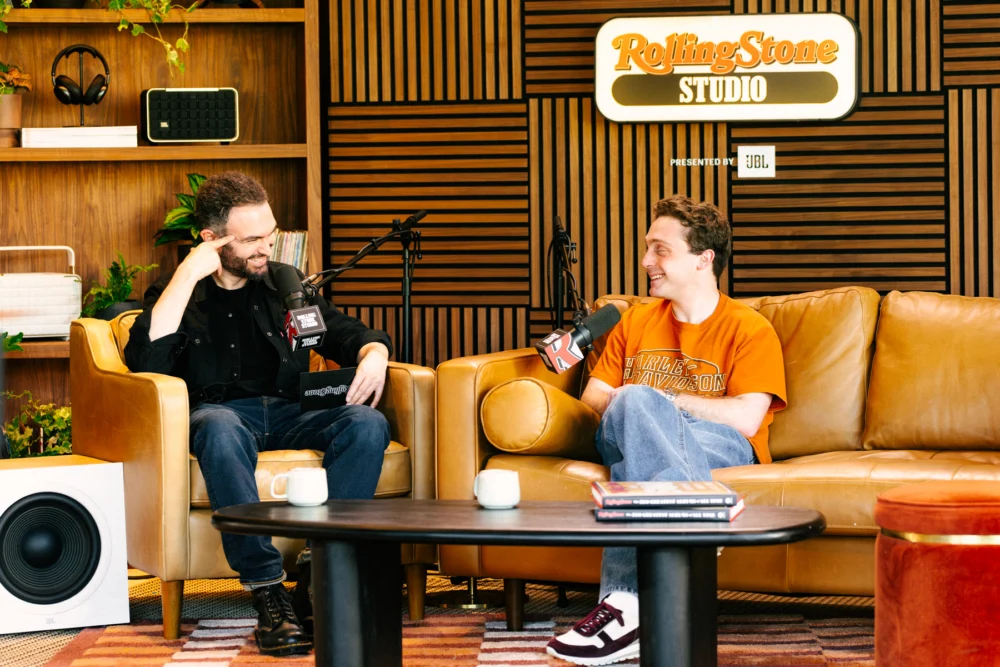
HangupsMusic.com – Austin, Texas, Jake Shane is rapidly becoming a quintessential figure of the modern entertainment landscape, seamlessly bridging the chasm between digital stardom and traditional Hollywood. What began with viral TikTok skits has blossomed into a multi-faceted career encompassing a chart-topping podcast, a celebrated Broadway debut, and now, a significant foray into feature films. His latest venture, Wishful Thinking, which recently captivated audiences at SXSW, marks a pivotal moment in his trajectory, propelling him further into the mainstream while offering a nuanced glimpse into the anxieties that underscore his meteoric rise.
Shane’s journey to the silver screen has been a swift and remarkable one. From the intimate, unscripted world of his hit podcast, Therapuss, where he engages in candid conversations with A-listers like Charli XCX and Selena Gomez, he has transitioned to the structured demands of acting. His Broadway stint provided a foundational experience, but it is his role alongside acclaimed actors Maya Hawke and Louis Pullman in Wishful Thinking that truly signifies his arrival as a serious dramatic talent. The film’s premiere at SXSW underscored the industry’s growing recognition of his diverse capabilities, a sentiment further solidified by the ongoing development of a semi-autobiographical comedy series at Hulu.
During a recent interview at The Rolling Stone Studio, conducted live from the vibrant heart of South by Southwest, Shane offered an introspective look into this exhilarating yet daunting chapter of his career. He delved into the intricacies of making his film debut, shared insights gleaned from a guest appearance on the Emmy-winning series Hacks, and spoke with striking candor about his profound fears of impermanence – a gnawing apprehension that everything he has meticulously built could vanish in an instant. This blend of professional triumph and personal vulnerability paints a compelling portrait of an artist navigating the complex terrain of newfound fame.
The initial days on the set of Wishful Thinking were, by Shane’s own admission, fraught with apprehension. Stepping into a feature film environment for the first time, particularly in a scene opposite a seasoned performer like Maya Hawke, presented a steep learning curve. "I was super, super, super nervous," he confessed, recounting the quiet terror of their first shared scene. Yet, Hawke’s supportive demeanor proved invaluable. She patiently guided him through the unspoken protocols of a film set – the subtle cues, the rhythm of takes, the fundamental understanding that "you really don’t stop until they yell ‘cut.’" These seemingly minor details, unknown to a newcomer from the digital realm, were crucial in helping him find his footing and embrace the collaborative nature of filmmaking.
Comparing his Wishful Thinking experience to his guest spot on Hacks, Shane highlighted a significant difference in set dynamics. On Hacks, he entered an established "family," a cast and crew who had worked together for years, fostering an initial sense of intimidation. Conversely, a movie set, especially at its inception, often feels like "creating this new family." This collective newness on Wishful Thinking leveled the playing field, allowing him to feel more at ease and less like an outsider, contributing to a more comfortable and organic creative process.
Shane revealed that acting was, in fact, his lifelong aspiration, though for many years, he inadvertently sabotaged his own pursuit. He candidly spoke of being "obsessed with image and being cool," trapped by a desire to be perceived in a specific, often inauthentic, way. This internal struggle was compounded by an unaddressed mental health challenge. A pivotal shift occurred in 2020 when he began medication, which he credits with fundamentally altering his life. This newfound clarity enabled him to revisit his passion for performance. Taking a theater class during his senior year of college reignited that dormant spark. "I have my most fun when I do this," he realized, acknowledging that striving for an artificial persona had prevented him from embracing what felt inherently "natural."

A key element of Wishful Thinking‘s creative success, according to Shane, was the significant amount of improvisation encouraged by director Graham Parkes. This fluid approach allowed the film to evolve organically as shooting progressed. Parkes, Shane explained, took the time to understand him as an actor throughout the production, often asking, "How would you say this? Would you wanna say this differently?" before a scene. This willingness to adapt the script to the actors’ natural voices and instincts, rather than being "super married" to the written word, created an environment of authenticity and collaboration that Shane deeply appreciated.
However, the transition from the fast-paced, instant-gratification world of social media to the protracted timelines of traditional television and film has presented unique challenges, particularly in managing a deeply ingrained anxiety. Shane openly discussed his "really bad OCD of everything going away," a pervasive fear that fuels a desire for rapid output. He confesses to wanting to release a "good podcast episode" almost immediately, despite a backlog of scheduled content, driven by "this impending doom of everything going away." This profound fear, which has intensified over the past year, has forced him to cultivate patience – a virtue often at odds with the demands of viral content creation.
He traces the genesis of this anxiety back to a specific, almost cinematic, moment in eighth grade at a Claire’s on the Upper West Side. In a rare moment of unadulterated happiness, he allowed himself to acknowledge it, only to be followed by a "horrible summer." The experience instilled in him a protective mechanism: "I am never, ever saying that I’m happy again." This poignant memory, he shares, is why Kacey Musgraves’ song "Happy and Sad" resonates so deeply with him, capturing the delicate balance of joy and the ever-present fear of its fleeting nature.
This fear of abandonment extends beyond his personal life, influencing his relationship with his vast online following. "I’m so scared of people leaving me," he admits, revealing that he views his followers not merely as an audience but as "friends." Having experienced personal friendships ending, this deep-seated insecurity manifests as a constant worry that his digital community, too, could dissipate. It’s a vulnerability rarely expressed by public figures, offering a raw insight into the emotional toll of maintaining a public persona.
Turning to his wildly popular podcast, Therapuss, Shane firmly distances himself from the label of "journalist." He considers it "insulting to journalists to say what I do is journalism," recognizing the rigorous, investigative nature of true reporting. His approach is distinctly different: "What I am having with people is a conversation." His primary goal is to foster "a comfortable, friendly environment for my guests," allowing them to speak freely and authentically without the pressure of confrontational questioning. When asked if celebrities might use his platform to sidestep tougher interviews, he shrugs off the notion with characteristic humility: "Probably! … I don’t care… I’m just happy to have them." This philosophy extends to his editing process, where guests are always given the power to cut anything they feel uncomfortable with. "There’ll always be another one," he states, emphasizing that honoring a guest’s discomfort is paramount to building trust and maintaining the unique, intimate atmosphere of his show.
Despite his rapid ascent, Shane remains grounded, acknowledging that much of the doubt regarding his transition from internet fame to Hollywood stems from his own internal insecurities. "I think I feel that way about myself," he reflects, adding that while he’s sure others might harbor similar sentiments, his primary critic is often himself. However, the production of Wishful Thinking proved to be a validating experience. The cast and crew treated him not as "a kid from the internet," but as a legitimate actor. "They were like, ‘You are here as an actor. We hired you because we think you are funny,’" a recognition that significantly boosted his confidence.
When prompted to list his five funniest people of all time, Shane’s choices offer a window into his comedic influences: Kristen Wiig, Maya Rudolph, Tina Fey, Meg Stalter, and Joan Rivers. He fondly recalled watching Fashion Police with his mother, marveling at Rivers’ unparalleled quick wit and fearless commentary. Rivers’ observation that "comedians are the most insecure people on the planet because you’re getting up on stage and you’re like, I don’t care if you’re laughing at me or with me. Just laugh at me," deeply resonates with Shane, underscoring the raw vulnerability inherent in making people laugh – a vulnerability he himself navigates daily. As he continues to build his burgeoning empire across multiple platforms, Jake Shane stands as a testament to talent, resilience, and the enduring power of authenticity, even when shadowed by the fear that it might all, one day, simply go away.
