
 By Rose Miami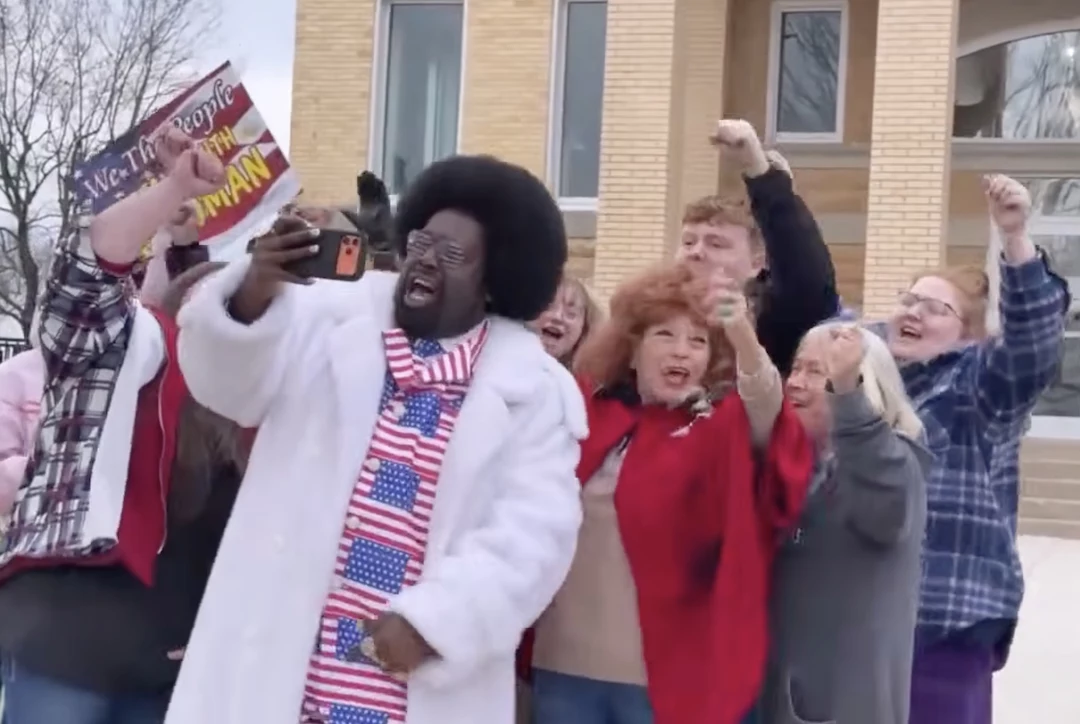
HangupsMusic.com – In a landmark civil trial that captivated the hip-hop community and ignited discussions about artistic expression, rapper Afroman has emerged victorious against seven Adams County, Ohio, sheriff’s deputies. The deputies had sued the Grammy-nominated artist, known for his 2001 hit "Because I Got High," for defamation, alleging that his use of their likeness in music videos following a 2022 home raid had severely damaged their reputations. After a three-day trial, a jury found in favor of Afroman, upholding his right to artistic commentary and freedom of speech.
The legal battle stemmed from an August 2022 incident where the Adams County Sheriff’s Department executed a search warrant at Afroman’s residence, investigating alleged drug and kidnapping offenses. Despite a thorough search, no charges were ultimately filed against the artist. Following the raid, Afroman, citing alleged damages to his property during the search, began incorporating surveillance footage from his home into his music videos. This footage captured the deputies’ actions during the raid, and Afroman creatively, and often humorously, integrated it into his visual storytelling.
One notable example cited by the WCPO report involved the music video for "Lemon Pound Cake," a doo-wop-inspired track where Afroman humorously depicted one of the deputies seemingly eyeing a lemon pound cake on a table during the search. These videos, shared widely on platforms like YouTube and accumulating millions of views, became the crux of the deputies’ defamation claims. They argued that these portrayals were not only embarrassing but also false and damaging to their professional standing.
However, the jury evidently saw things differently. They determined that Afroman’s use of the footage, while potentially unflattering, did not constitute defamation. This verdict is being hailed by many as a significant win for artistic freedom and the right of individuals to comment on, and critique, actions of law enforcement, particularly when those actions involve their private residences.
Emerging from the courtroom after the verdict, a visibly emotional Afroman, 51, addressed reporters, emphasizing that his victory transcended personal triumph. "I didn’t win," he declared, his voice resonating with conviction. "America won. America still has freedom of speech. It’s still for the people by the people." His statement underscored his belief that the case was a broader test of constitutional rights.

Throughout the trial, Afroman maintained a consistent narrative: the entire legal entanglement was a direct consequence of what he perceived as an unwarranted and disruptive police raid on his home. He testified that the deputies’ initial actions were a mistake, and had they not conducted the raid, none of the subsequent events – including the music videos and the lawsuit – would have transpired. "The sheriff was never supposed to raid my house in the first place," Afroman stated during his testimony. "The whole raid was a mistake… All of this is their fault. If they hadn’t wrongly raided my house, there would be no lawsuit, I would not know their names, they wouldn’t be on my home surveillance system and there would be no songs."
Afroman’s visual presence during the proceedings also became a talking point. He was frequently seen sporting a custom-made American flag suit, complete with matching sunglasses. He explained this sartorial choice as a symbol of his belief in the American dream and the fundamental right to freedom of expression. "I am the American dream," he remarked, referring to his attire. "This suit stands for freedom of speech and the American dream. Amen. Praise God."
Despite the protracted legal dispute with local law enforcement, Afroman expressed his intention to remain a resident of Adams County. This suggests a desire to continue living within the community where the events unfolded, perhaps as a testament to his enduring connection to the area and his belief in its potential for positive change.
The trial, which spanned three days, also saw testimony from the sheriff’s deputies. One deputy reportedly testified to experiencing "tremendous pain" due to a song Afroman created that alluded to the deputy’s wife. This particular detail highlights the deeply personal impact the artist’s commentary had on the individuals involved, while also emphasizing the subjective nature of perceived harm in defamation cases.
This legal victory for Afroman serves as a powerful reminder of the ongoing tension between public figures, law enforcement, and the boundaries of artistic expression. In an era where digital surveillance and social media play an increasingly prominent role, the case underscores the importance of protecting creative freedoms while also navigating the complexities of defamation law and individual privacy. The jury’s decision reinforces the principle that artists can, and often do, use their platforms to comment on societal issues, including the actions of those in positions of authority, without necessarily crossing the line into unlawful defamation.
