
 By admin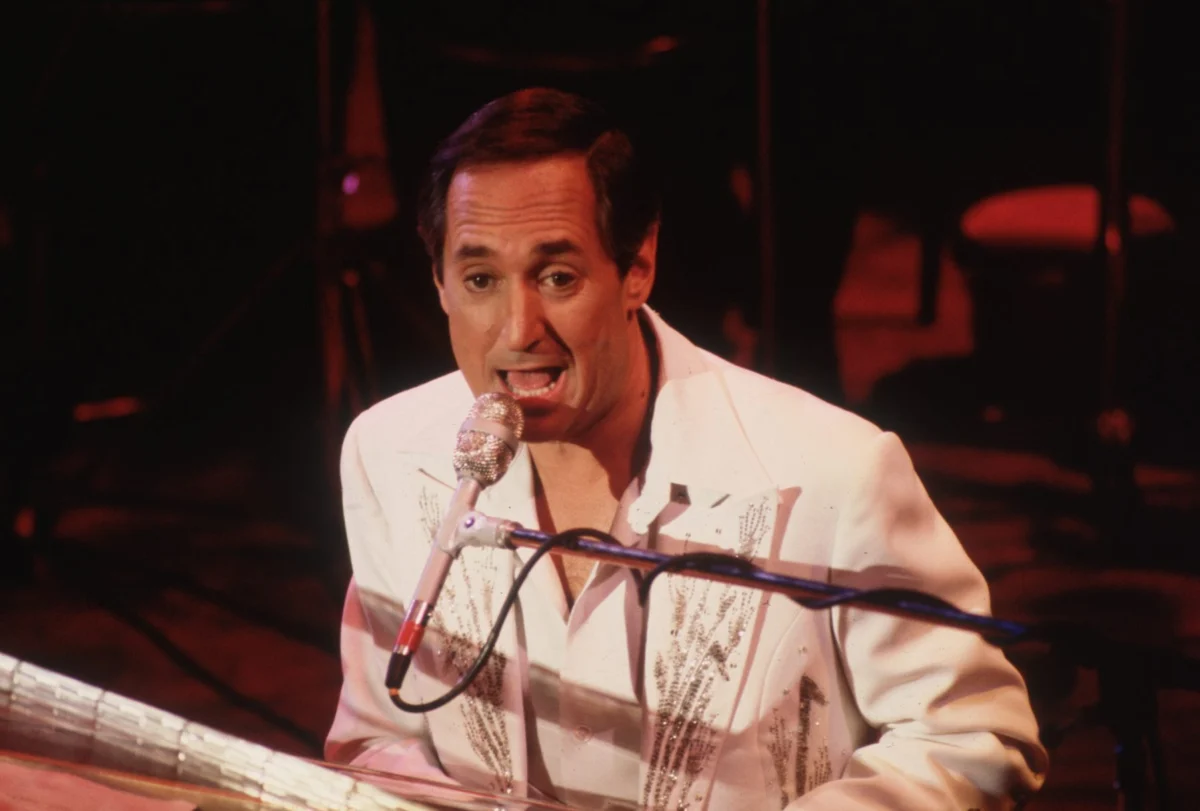
HangupsMusic.com – The annals of popular music are replete with tales of meteoric rises and precipitous falls, but few narratives capture the essence of resilience and reinvention quite like that of Neil Sedaka. A quintessential architect of early 1960s pop, Sedaka’s career seemed to follow a familiar trajectory into decline as musical tastes evolved. Yet, against all odds, the singer-songwriter staged a spectacular return to the global spotlight in the mid-1970s, not merely reclaiming his former glory but ascending to even greater heights. This remarkable journey from a decade-long commercial drought to a string of chart-topping hits is the focus of a recent deep dive on the "Greatest Pop Stars" podcast’s "Vintage Pop Stardom" episode, offering listeners an intimate look into one of music’s most improbable comebacks.
In the nascent years of the 1960s, Neil Sedaka was a formidable force in the pop music landscape. A prodigious talent forged in the legendary Brill Building songwriting factories of New York City, Sedaka churned out a succession of indelible hits that defined an era. Tracks like the ebullient "Happy Birthday Sweet Sixteen," the rhythmically catchy "Calendar Girl," and the universally relatable "Breaking Up Is Hard to Do," which soared to the pinnacle of the Billboard Hot 100, showcased his knack for crafting irresistible melodies and poignant, yet accessible, lyrics. Beyond his own vocal performances, Sedaka’s pen was also responsible for hits delivered by peers such as Connie Francis, cementing his reputation as a versatile hitmaker. His blend of classical piano training with a keen understanding of popular sensibilities made him a cornerstone of the pre-Beatles pop establishment.
However, the tectonic plates of popular music began to shift dramatically by the mid-1960s. The British Invasion, spearheaded by bands like The Beatles and The Rolling Stones, ushered in an era of rock-driven music, often self-penned by the artists themselves. This seismic change rendered the traditional Brill Building model, and the clean-cut pop sound associated with it, increasingly unfashionable. Sedaka, like many of his contemporaries, found his signature style out of sync with the prevailing trends. What followed was a challenging commercial dry period that stretched deep into the next decade. While still composing and performing, the chart success that had once been his hallmark eluded him in his home country. Undeterred, Sedaka made a strategic decision to look beyond American shores, seeking a more receptive audience for his melodic craftsmanship in the United Kingdom and Australia.
His overseas venture proved to be a critical turning point. While American radio had largely moved on, audiences in the UK and Australia demonstrated a greater appreciation for Sedaka’s classic pop sensibilities. Albums like Solitaire (1972) and The Tra-La Days Are Over (1973), though initially struggling for traction in the U.S., found significant success abroad. Songs like "Laughter in the Rain" and "Love Will Keep Us Together" began to gain popularity, laying the groundwork for what would become an astounding resurgence. This period was not just about survival; it was about proving the enduring quality of his songwriting and performance, cultivating a loyal international fanbase that understood the timeless appeal of a well-crafted pop song.
The catalyst for Sedaka’s grand return to the American market arrived in the mid-1970s in the form of a particularly influential admirer: Elton John. The flamboyant British superstar, himself at the peak of his global fame, had been a long-time fan of Sedaka’s work. Recognizing the immense talent that was being overlooked in the U.S., Elton John signed Sedaka to his burgeoning Rocket Records label. This move was more than just a record deal; it was a powerful endorsement from one of the most commercially successful and critically acclaimed artists of the decade. Elton’s co-sign, coupled with his willingness to lend his distinctive backing vocals to some of Sedaka’s new material, instantly legitimized Sedaka to a generation of listeners who might have otherwise dismissed him as a relic of a bygone era.

With Rocket Records championing his cause, Neil Sedaka’s meticulously crafted pop found its way back into the American mainstream. The year 1975 marked a watershed moment. "Laughter in the Rain," a smooth, introspective ballad that perfectly blended Sedaka’s melodic strengths with a contemporary sheen, became his first U.S. No. 1 hit in over a decade. It was a testament to his enduring artistry and the power of a genuine comeback. Later that year, he followed up with "Bad Blood," a more uptempo, rock-infused track featuring Elton John on backing vocals, which also ascended to the top of the Billboard Hot 100. This dual success unequivocally demonstrated that Sedaka wasn’t just enjoying a fleeting moment of nostalgia; he was a relevant and vital artist once more.
Beyond his own chart domination, Sedaka further solidified his comeback year by penning "Love Will Keep Us Together" for the pop duo Captain & Tennille. The song, a joyous and infectious declaration of devotion, became a massive global hit, earning a Grammy Award for Record of the Year and topping the Billboard Hot 100 for four weeks. The poignant irony of an artist writing a chart-topping hit for another act, particularly one that symbolically underscored themes of endurance and connection, was not lost on Sedaka or his fans. Captain & Tennille even famously included a spoken outro on their version, with Toni Tennille playfully ad-libbing, "Hey, Neil, nobody’s gonna stop us now!" a direct and delightful nod to Sedaka’s remarkable return.
The "Vintage Pop Stardom" podcast episode, hosted by Andrew Unterberger and featuring legendary Billboard historian Fred Bronson – who not only chronicled Sedaka’s hits in his essential Billboard Book of Number One Hits but also became a personal friend of the artist – delves into the intricate layers of this career reinvention. The discussion explores several compelling questions: Was Sedaka’s initial run in 1962, characterized by youthful exuberance and foundational pop, more defining than his sophisticated, hard-won triumphs of 1975? Why were international markets like Australia and the U.K. quicker to embrace his comeback material before the U.S. finally caught on? The immense value of an Elton John co-sign and his vocal contributions in the cutthroat music industry of 1975 is also thoroughly examined.
Another intriguing anecdote explored in the podcast revolves around a rumored incident where Richard Carpenter allegedly removed Sedaka from a Carpenters’ tour, possibly due to some unspoken, perhaps even imaginary, showbiz protocol or a clash of performance styles. Such behind-the-scenes glimpses add rich texture to the narrative of Sedaka’s journey. The sheer coolness of having one’s comeback specifically acknowledged in the outro of the biggest hit one ever wrote for another artist, as with Captain & Tennille’s "Love Will Keep Us Together," is also celebrated as a unique moment in pop history. Ultimately, the episode poses the profound question: Where does Neil Sedaka’s 1975 comeback rank among the greatest career resurrections in the annals of pop and rock music, alongside the likes of Elvis Presley’s ’68 Special or Tina Turner’s Private Dancer era?
Listeners are encouraged to explore this fascinating episode, available on Apple Music and Spotify, for weekly insights into pop stardom. Further enriching the experience, a curated YouTube playlist of memorable moments, including references to David Bowie’s 1983 discussed in the podcast, accompanies the episode. Fred Bronson’s dedicated "Writer: Neil Sedaka" playlist on Spotify offers a comprehensive look at Sedaka’s vast compositional output, and his book, Rockin’ the Kremlin, provides additional context to the broader music landscape. Neil Sedaka’s 1975 comeback stands as a powerful testament to talent, perseverance, and the unpredictable, often redemptive, currents of the music industry. It’s a story that continues to resonate, reminding us that true artistry can always find its way back to center stage.
