
 By Rose Miami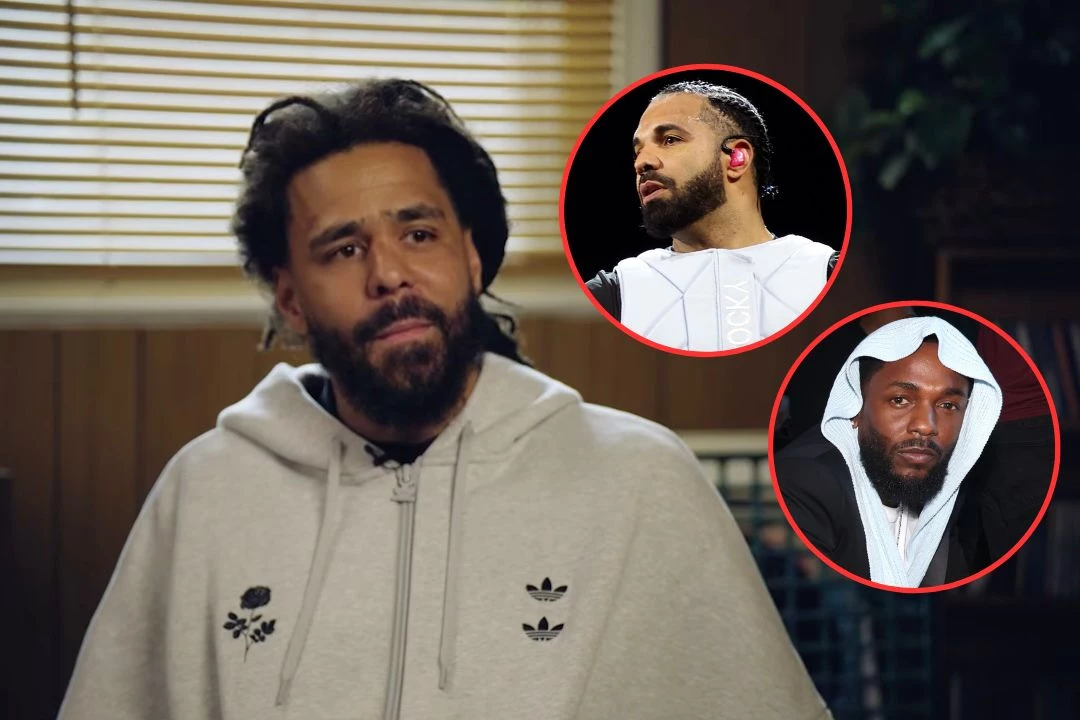
HangupsMusic.com – In a rare and candid interview, hip-hop luminary J. Cole has offered a profound glimpse into his personal relationships with fellow titans Drake and Kendrick Lamar, directly addressing the complex dynamics that unfolded during their recent high-profile lyrical exchange. Speaking with Nadeska Alexis for Apple Music, Cole, who has largely maintained a reserved stance on the matter, elaborated on the genuine respect and affection he holds for both artists, emphasizing his desire to transcend the divisive narratives that often surround such industry clashes.
The conversation, which delved into various aspects of Cole’s career, including the anticipation surrounding his forthcoming album The Fall-Off, inevitably gravitated towards the intense rap battle that captivated the music world. Cole, who strategically opted out of direct participation in the escalating feud, used the platform to unequivocally state his enduring admiration for both Drake and Kendrick Lamar. "I have genuine love for these individuals," Cole declared during the hour-long discussion. "It pains me to witness the public discourse devolving into a scenario where one is championed at the expense of the other." This sentiment underscores a deeper philosophical outlook for Cole, one that prioritizes the artistry and personal connections over competitive posturing.
A pivotal moment in the interview focused on Cole’s unexpected decision to publicly apologize to Kendrick Lamar at Dreamville Festival in April 2024, a move that preceded the full-blown eruption of the Drake-Kendrick conflict. Cole revealed that the realization and subsequent action occurred just an hour before he was scheduled to take the stage. He described a profound internal shift, acknowledging that his track "7 Minute Drill," which was perceived as a diss towards Lamar, did not accurately reflect his true feelings or his respect for the Compton rapper. "It hit me an hour before," Cole explained, his voice tinged with introspection. "Because, like, two or three days before that, it was like, ‘Oh no, this was terrible’ because I felt like I misrepresented myself."

Cole further articulated the internal conflict that led to his public retraction. He felt that by engaging in the lyrical battle, he was inadvertently contributing to a negative atmosphere and perpetuating divisive storylines about an artist for whom he harbored significant respect and care. "It’s like all of a sudden I’m giving life to division and to negative storylines, or negative perceptions on somebody that I f— with and got love for. Somebody that I like cared about," he elaborated. This realization was not a product of external pressure but an organic emergence of his personal convictions.
The opportunity to publicly correct his course, even on a grand stage like Dreamville Festival, was a moment Cole viewed with immense gratitude. "So an hour before it was like, ‘A-ha!’ Like yo, in a very loud manner, you know, on a very public forum on your album, you said some s— you didn’t believe in. Now you got an opportunity to go on a bigger forum…and say something that you believe in. And in that moment, I’m like, ‘Thank you, God.’" This profound sense of relief and validation highlights Cole’s commitment to authenticity and his personal moral compass, even when it diverges from the prevailing narrative.
The interview served as a powerful reminder of the complexities within the hip-hop community. While competition and lyrical prowess are celebrated, the underlying currents of respect and camaraderie among artists often go unseen. J. Cole’s willingness to share these personal reflections offers a more nuanced understanding of his position and his commitment to fostering a more positive and respectful environment within the genre. His decision to prioritize genuine affection over the heat of a moment underscores a maturity and a deep-seated respect for his peers, demonstrating that even in the face of intense lyrical sparring, genuine bonds can endure. The full interview, available on Apple Music, promises further insights into Cole’s perspective on his career, his artistry, and his place within the ever-evolving landscape of hip-hop.
