
 By admin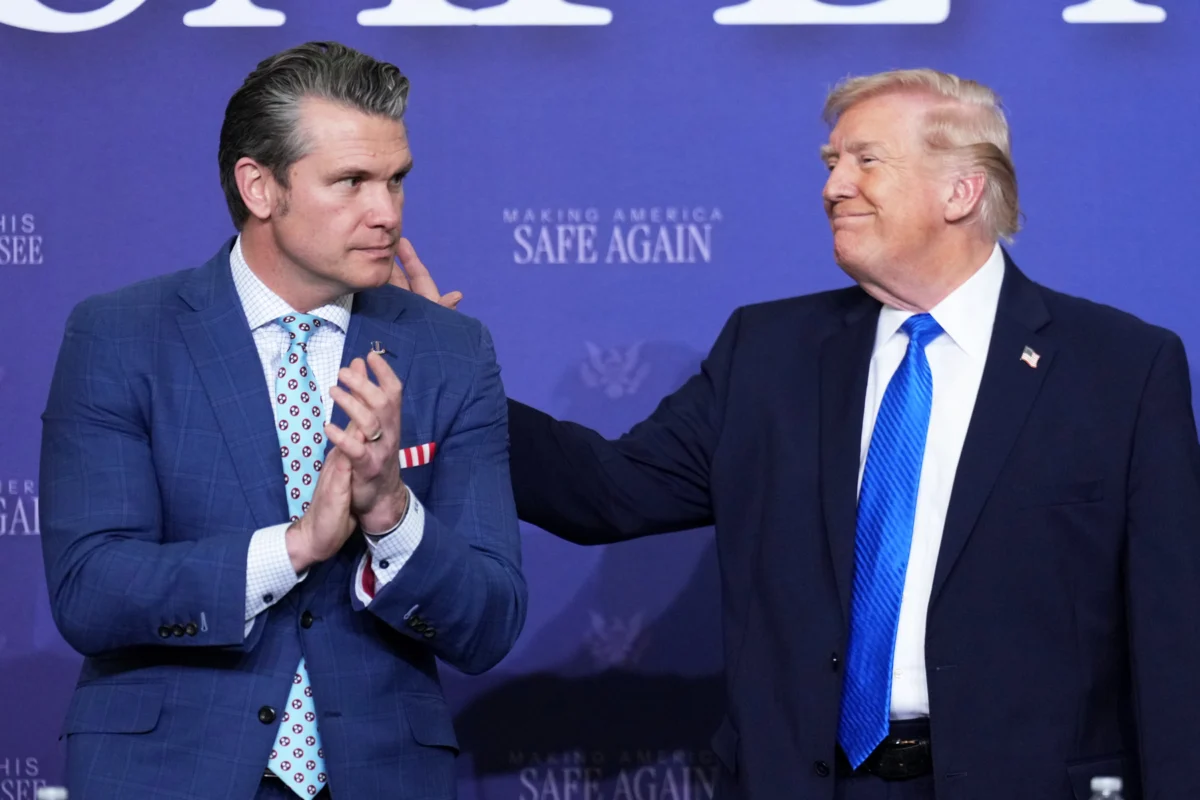
HangupsMusic.com – The intricate and increasingly volatile situation in the Persian Gulf continues to draw global attention, with the administration’s handling of the escalating conflict with Iran facing heightened scrutiny. As the human and geopolitical costs rise, the White House has embarked on a discernible shift in its public messaging, marked by an attempt to redefine responsibility and manage public perception, particularly concerning the origins and trajectory of the ongoing hostilities. This strategy has included public statements that appear to reallocate culpability for the initial military actions and express surprise at subsequent retaliatory measures, even as reports suggest internal warnings were previously dismissed.
The initial rationale for engaging in military action against Iran has been a moving target, offering a kaleidoscope of justifications that have at times contradicted one another. Within the upper echelons of the administration, explanations have reportedly ranged from claims of preemptive intervention to support an anticipated Israeli offensive, to urgent assertions that Iran was on the precipice of developing a nuclear weapon capable of threatening the United States. Such varied and sometimes inconsistent rationales have fueled public confusion and contributed to a growing skepticism regarding the clarity of the administration’s strategic objectives. This lack of a cohesive narrative has become particularly pronounced as the conflict deepens, drawing the United States further into a complex regional entanglement that has seen its popularity wane among the American populace.
In what observers describe as a tactical maneuver to deflect criticism and recalibrate public opinion, the president recently pointed to key members of his Cabinet as principal drivers of the decision to engage. During a high-profile roundtable discussion featuring national military and law enforcement officials, the president specifically highlighted the influence of his Secretary of Defense, Pete Hegseth. Addressing the audience and assembled press, the president directly attributed the initial impetus for military action to Hegseth, recalling his purported insistence on confronting Iran’s nuclear ambitions. "Pete, I believe you were among the first to advocate for this course of action, asserting the imperative of preventing them from acquiring a nuclear capability," the president stated, effectively positioning his Defense Secretary as the primary architect of the current military posture.
These remarks came just hours after the president publicly conveyed a sense of bewilderment regarding Iran’s subsequent actions. He claimed that neither he nor his entire administration had anticipated the intensity and scope of Iran’s retaliatory strikes against various Gulf nations, which followed earlier military engagements by the U.S. and Israel. "Consider the manner in which they launched these unexpected assaults on neighboring countries," he told reporters, adding, "No one had even conceived of such a possibility." This assertion, however, stands in stark contrast to independent journalistic investigations. Reuters, for instance, has reported on confidential internal assessments that purportedly cautioned the administration about the high likelihood of Iranian reprisal, warnings that were reportedly disregarded by the president. The implication of these reports is profound, suggesting a potential disconnect between intelligence assessments and executive decision-making, with significant consequences for regional stability and the safety of allied nations.
Against this backdrop, Secretary Hegseth emerges as a conspicuous figure in the administration’s attempt to assign accountability. Given his public persona and vocal advocacy for a muscular foreign policy, Hegseth presents a plausible lightning rod for public discontent should the administration seek to redirect blame. Throughout the conflict, which has now passed its one-month mark, the Defense Secretary has been a prominent and often outspoken voice, characterized by fervent pronouncements on military might, "lethality," and an aggressive posture that seemingly eschews traditional rules of engagement. His interactions with the Pentagon press corps have at times been contentious, with reports of him castigating journalists for what he perceived as insufficient positive coverage of the military campaign. This combative approach has done little to assuage concerns as the conflict has tragically claimed the lives of 13 American service members and steadily metastasized into a pervasive crisis across the Gulf region, deepening instability and raising fears of broader geopolitical repercussions.
Adding another layer of complexity to an already opaque situation, the president also reiterated unverified claims about ongoing negotiations with Iran aimed at de-escalating hostilities and facilitating the reopening of the strategically vital Strait of Hormuz. These statements were made concurrently with a notable retreat from a previously issued ultimatum, wherein the president had threatened to unleash significant bombing campaigns against critical Iranian targets if his demands were not met by a specific deadline. That deadline was subsequently pushed back by five days, signaling a potential shift in tactical approach, or perhaps, a recognition of the diplomatic complexities involved. Crucially, Iranian officials have consistently and unequivocally denied any engagement in such negotiations, casting serious doubt on the veracity of the president’s assertions and further muddying the waters of international diplomacy.
The lack of transparency surrounding these supposed discussions has been particularly striking, especially given the president’s typical inclination to publicize his interactions with world leaders. When pressed by reporters for specifics on the individuals involved in these crucial negotiations, the president remained uncharacteristically guarded. He eventually disclosed that a "top person" within the Iranian regime was reportedly communicating with his son-in-law, Jared Kushner, who does not hold an official government position, and Steve Witkoff, designated as the United States Special Envoy to the Middle East. The reliance on unofficial channels and individuals without formal diplomatic roles for such sensitive discussions raises significant questions about the structure and legitimacy of these alleged talks, as well as the potential for miscommunication or misinterpretation in a high-stakes environment.
The president’s public pronouncements on the potential outcomes of these purported negotiations further underscored the precariousness of the situation. "Our aim is to forge an agreement," he stated, outlining a binary path forward. "If these discussions prove fruitful, we anticipate resolving this situation. Otherwise, we will simply continue our aerial bombardments with unwavering resolve." This stark framing of options—either a swift resolution through unconfirmed talks or continued military action—underscores the high-stakes gamble being played out on the international stage. As the administration navigates a complex web of military escalation, shifting narratives, and unverified diplomatic overtures, the world watches intently, weighing the implications of each presidential statement and the uncertain future of peace in a critical region. The clarity, consistency, and credibility of the administration’s messaging will undoubtedly play a pivotal role in shaping both domestic and international responses to this evolving crisis.
