
 By Azzam Bilal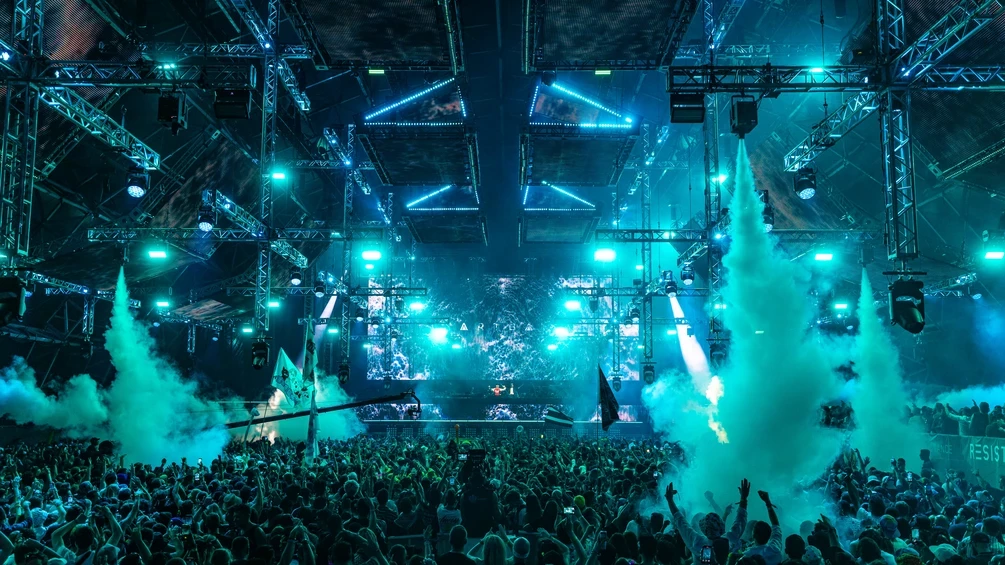
HangupsMusic.com – Miami, as the global electronic dance music community prepares to descend upon the scenic Bayfront Park for another high-octane weekend, Ultra Music Festival is making headlines for a reason that transcends the usual lineup announcements and pyrotechnics. This year, the world-renowned event is set to reach a pivotal milestone in its ongoing journey toward environmental responsibility. In a landmark move for the North American festival circuit, Ultra will debut its first-ever battery-powered stage, signaling a significant shift in how large-scale productions manage their energy footprints.
The stage in question, the RESISTANCE Cove, will serve as the testing ground for a sophisticated zero-emission power solution. By utilizing the Showpower SmartGrid™ battery system, Ultra aims to eliminate the need for traditional diesel generators at this specific location. This transition is a centerpiece of the festival’s "Mission: Home" sustainability initiative, a comprehensive program designed to preserve the beauty of Downtown Miami’s waterfront while setting a new standard for the international festival industry. The initiative’s core philosophy—protecting the home, reducing environmental impact, and inspiring the community—is being brought to life through this integration of cutting-edge technology and cultural innovation.
For years, the logistical challenge of powering a festival of Ultra’s magnitude has relied heavily on fossil fuels. While several stages at the Miami event have successfully transitioned to grid-based power in recent years—drawing electricity directly from the local utility infrastructure—the RESISTANCE Cove is taking the concept a step further. The battery system functions by storing energy from the grid in advance and then discharging it as needed during the event. This allows for a consistent, high-capacity power supply that can handle the intense demands of modern stage lighting, high-definition LED screens, and massive sound systems, all without the onsite combustion of fuel or the release of carbon emissions.
The move to battery power is the result of a long-term collaboration between Ultra’s internal sustainability team, specialized power providers, and innovative tech firms. Vivian Belzaguy Hunter, Ultra’s Sustainability Director, has been a driving force behind this evolution. She emphasized that each year, the festival team challenges themselves to expand their vision of what a sustainable event can look like. According to Hunter, the current chapter of the festival’s history is defined by the intersection of culture and innovation, where technological advancements are leveraged to create a lasting, positive impact on the environment.
This technological leap was not achieved overnight. Paul Schurink, the co-founder of Showpower, noted that his team has spent the better part of six years working in tandem with Ultra and CESPower to refine these intelligent energy solutions. A significant portion of this work involved the meticulous measurement of energy demand across the sprawling festival site. By analyzing the exact power requirements of different stages and installations, the teams were able to identify the RESISTANCE Cove as the prime candidate for a total battery conversion. The goal was simple yet ambitious: to replace the traditional, noisy, and emission-heavy generator with a silent, clean battery system that provides the same level of reliability and performance.
The implications of this rollout are far-reaching. Industry analysts suggest that this marks the first time a major, large-scale electronic music festival in the United States has operated a primary stage entirely without onsite emissions. In an era where "greenwashing" is a common concern among consumers, Ultra’s move toward tangible infrastructure changes provides a blueprint for other promoters to follow. The transition to battery storage not only reduces the carbon footprint of the event but also significantly decreases noise pollution and the risk of fuel spills in the sensitive ecosystem of Biscayne Bay.
As Ultra Miami prepares for its 2026 edition—having recently been honored as the No. 2 festival in the world by the DJ Mag Top 100 Festivals poll—the stakes for the production have never been higher. Scheduled to take place from March 27th to 29th, the festival is expecting tens of thousands of attendees to witness performances from over 70 world-class acts. The lineup remains as formidable as ever, featuring a blend of mainstream titans and underground pioneers. Mainstage highlights include a highly anticipated back-to-back set from Alesso and Martin Garrix, alongside appearances by Hardwell, Afrojack, Armin van Buuren, and Eric Prydz.
However, it is at the RESISTANCE Cove where the marriage of sound and sustainability will be most evident. The stage is set to host a curated selection of house and techno heavyweights, including The Martinez Brothers and a collaborative set between Dennis Cruz and Seth Troxler. For these artists, performing on a stage powered by clean energy adds a layer of modern relevance to their sets. The RESISTANCE brand has always been synonymous with the cutting edge of electronic music, and its association with this technological debut reinforces that reputation. Elsewhere in the RESISTANCE lineup, fans can look forward to a high-energy b2b session between Amelie Lens and Sara Landry, further cementing the festival’s commitment to showcasing the vanguard of the genre.
Beyond the power grid, Ultra is also addressing the environmental impact of fan travel. Transportation typically accounts for the largest portion of any major event’s carbon footprint. To combat this, the festival has introduced innovative travel options, including the "silent disco" train. This partnership allows attendees to begin their festival experience the moment they board the train, enjoying music through wireless headphones while being transported directly to the heart of the city. By incentivizing public transit and high-capacity rail, Ultra is actively working to reduce the number of individual vehicles on the road, thereby decreasing traffic congestion and overall urban emissions.
The "Mission: Home" initiative extends into every corner of the festival grounds. From expansive recycling programs and the elimination of single-use plastics to educational hubs where fans can learn about local conservation efforts, the program is designed to be holistic. The festival’s location in Bayfront Park provides a stunning backdrop, but it also serves as a constant reminder of the fragility of coastal environments. By implementing zero-emission technology at the RESISTANCE Cove, Ultra is demonstrating that even the most energy-intensive industries can find ways to coexist harmoniously with nature.
As the weekend of March 27th approaches, the industry will be watching closely to see how the Showpower SmartGrid™ performs under the rigors of a three-day festival. Success here could trigger a domino effect, encouraging other major events in the U.S. and abroad to invest in similar battery-storage infrastructure. The move away from diesel is no longer just an idealistic goal; it is becoming a technical reality.
Ultra Music Festival’s 25-year history has been defined by its ability to adapt and lead. From its humble beginnings to its current status as a global powerhouse, the event has consistently pushed the boundaries of production. With the introduction of the first battery-powered stage, Ultra is proving that the future of electronic music is not just about the loudest sound or the brightest lights, but about the intelligence and responsibility behind the power. As fans dance by the water in Downtown Miami, they will be part of a historical moment where the pulse of the music is matched by the quiet, clean energy of the future.
