
 By admin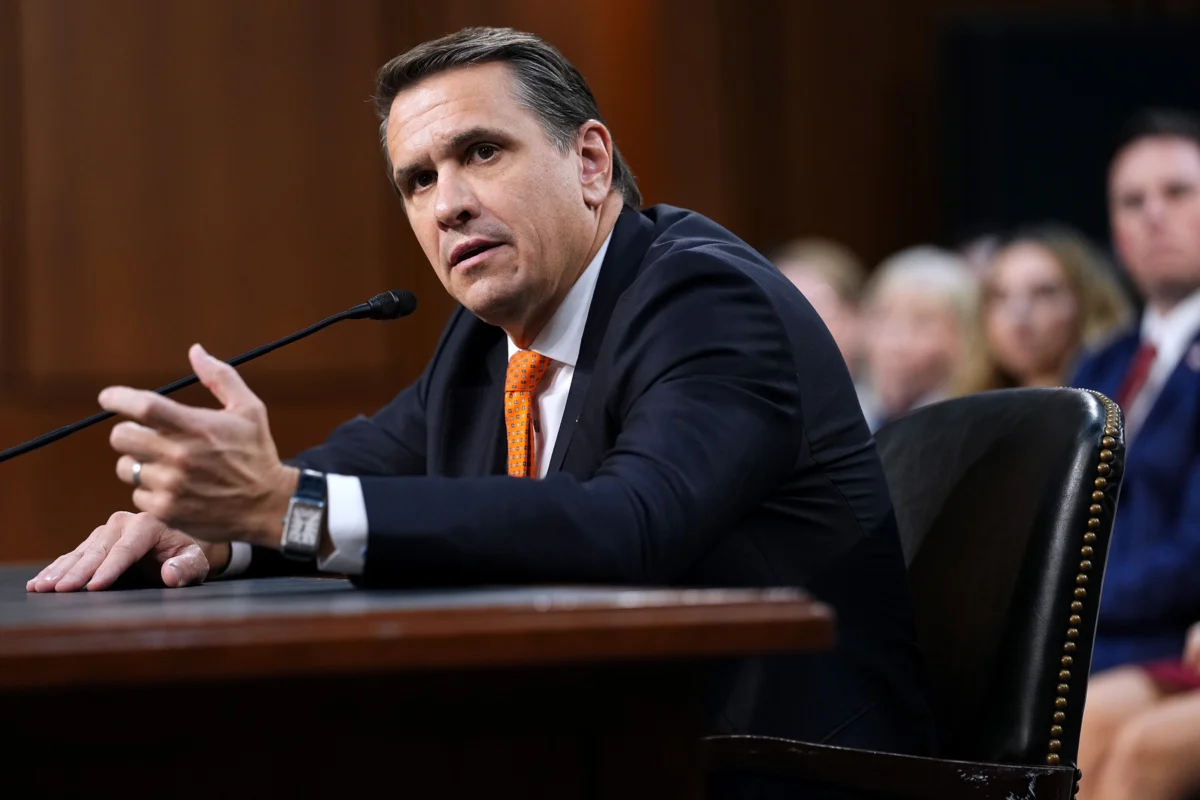
A notable voice in this discourse is Susan B. Anthony Pro-Life America, which recently dispatched a letter urging Blanche to intervene in a lawsuit initiated by Louisiana. This legal challenge disputes federal policies that permit mifepristone to be dispensed through mail services. The group’s advocacy has pivoted to spotlighting harrowing accounts of men who allegedly covertly administered abortion pills to pregnant women or pressured them into taking the medication against their will. Their primary concern, they assert, is to safeguard women from such abusive scenarios by curtailing access to the very medication they claim is being weaponized.
Among the cases highlighted by these organizations is a recent incident involving an Army captain in Washington. This individual was accused of secretly providing mifepristone to a junior enlisted soldier with whom he was having an affair, resulting in the termination of her pregnancy. The captain subsequently pleaded guilty to multiple charges, including intentionally ending a pregnancy, domestic violence, fraternization, and conduct unbecoming of an officer. He received a 12-year prison sentence and was dismissed from the Army, a clear demonstration that the legal system recognized and prosecuted his actions as criminal offenses.
However, critics of the pro-life stance argue that this case, and others like it, underscore a fundamental misdirection of blame. They contend that the criminal acts committed – such as drugging someone without consent, assault, poisoning, or reproductive coercion – are already illegal and punishable under existing laws. The Army captain’s prosecution, they point out, confirms that the legal framework is robust enough to address such egregious behavior. Therefore, proponents of medication abortion argue that restricting access to a safe, federally approved medication like mifepristone does not punish the actual perpetrators of violence but rather penalizes women by limiting their healthcare options. They emphasize that mifepristone itself is not the abuser; rather, it is the individuals who misuse it for criminal purposes who are at fault.
This argument often leads to discussions about perceived inconsistencies in political rhetoric concerning inanimate objects and responsibility. Observers frequently cite the adage, "Guns don’t kill people; people kill people," a common refrain from gun rights advocates in the wake of mass shootings, used to deflect blame from firearms themselves to the individuals wielding them. Critics of the pro-life position question why this same logic appears to be selectively applied. If an inanimate object like a firearm is not inherently responsible for the harm it can inflict in the hands of a malicious individual, they ask, why is a medication suddenly deemed the "sole culprit" when misused by an abusive man? This perceived double standard, they suggest, highlights a strategic rhetorical device rather than a consistent philosophical principle.
Adding another layer of complexity to this discussion is the stark contrast in how different forms of violence are addressed. While the debate over mifepristone intensifies, particularly concerning its potential misuse by abusive partners, there is a notable absence of comparable conservative campaigns aimed at restricting access to firearms, despite their significant role in domestic violence. Research indicates that homicide is tragically the leading cause of death for pregnant women and those in the postpartum period in the United States, with firearms being used in the overwhelming majority of these murders. This alarming statistic underscores a critical public health crisis. Yet, paradoxically, the Trump administration, whose policies are often championed by pro-life groups, has actively sought to weaken gun regulations, even advocating for measures that would facilitate the mailing of firearms directly to buyers without rigorous background checks. This perceived irony further fuels the argument that the focus on mifepristone is a misdirection, diverting attention from other, more pervasive forms of violence impacting women.
Beyond the political and rhetorical battles, the scientific consensus on mifepristone is well-established. For over two decades, the medication has undergone extensive study, with research consistently affirming its safety and efficacy. Approved by the Food and Drug Administration (FDA), mifepristone’s safety profile has been meticulously documented across more than 25 years of use, revealing that serious complications are exceedingly rare. Today, medication abortion, primarily utilizing mifepristone in conjunction with misoprostol, accounts for nearly two-thirds of all clinician-provided abortions in the United States. This widespread adoption underscores its acceptance within the medical community as a safe and effective option for reproductive healthcare, directly challenging claims that the medication itself is unsafe or problematic.
The debate also touches upon broader societal patterns in responding to male violence. Historically, when men perpetrate abuse or attacks, societal responses have often involved imposing restrictions on women – from admonitions about clothing choices and walking alone to warnings about unattended drinks. This pattern, reproductive rights advocates argue, is being replicated in the current debate over mifepristone. The argument posits that rather than focusing on holding abusive men accountable, society is once again attempting to restrict women’s autonomy by limiting access to essential medication, under the premise that men’s abusive behaviors are uncontrollable forces of nature. The case of Gisèle Pelicot, a survivor who brought international attention to her husband’s repeated drugging and sexual assault, highlights the pervasive nature of male violence and its systemic implications, leading to global investigations into online networks where men exchange instructions for similar abuses. This context further strengthens the argument that the focus should be on systemic solutions to male violence, not on restricting women’s access to healthcare.
Amidst the "manufactured horror stories" often amplified in the political arena, there exist countless personal narratives that illuminate the profound positive impact of mifepristone. Reproductive health and justice advocates have diligently collected these stories for years, detailing how medication abortion has enabled survival, recovery, and the exercise of reproductive autonomy. Individuals have shared experiences of using mifepristone to recover emotionally and physically from ectopic pregnancies, to complete graduate school and plan children for a time when they were ready with their partners, or to medically manage pregnancy loss to prevent severe complications like sepsis. These stories, while less sensationalized, represent the everyday choices and critical health outcomes that mifepristone makes possible: survival, health, future fertility, and the fundamental freedom to build the lives individuals desire. They underscore the medication’s role as a vital tool in comprehensive healthcare, far removed from the narrative of inherent danger.
During his confirmation hearings, Todd Blanche’s responses to questions concerning reproductive rights and accountability drew significant attention. Democratic senators pressed him on how his Justice Department would treat survivors of abuse, specifically referencing the Epstein case, and whether he would restrict access to abortion pills. Blanche’s replies offered little reassurance to critics; he notably claimed to be "prohibited" from meeting with Epstein victims and reiterated his commitment to ending abortion by mail. This stance further solidified concerns among reproductive rights advocates about the potential for federal intervention in medication abortion access. Conversely, a striking silence was observed from conservative lawmakers regarding questions about how Blanche’s Justice Department would actively combat reproductive coercion, intimate partner violence, or address the accessibility of firearms to dangerous men. This omission, critics contend, speaks volumes about the differing priorities in addressing violence against women and the scope of federal oversight.
In conclusion, the debate surrounding mifepristone during Todd Blanche’s confirmation hearings transcends the singular issue of a medication’s availability. It encapsulates a broader struggle over accountability, reproductive autonomy, and the societal frameworks used to address violence against women. The central tension lies between those who advocate for restricting access to medication as a purported solution to male abuse, and those who assert that the focus must remain squarely on punishing abusers, protecting survivors, and safeguarding access to safe, essential healthcare. The ongoing dialogue continues to underscore the complex interplay of law, politics, and deeply held beliefs in shaping the future of reproductive rights in the United States.
