 By admin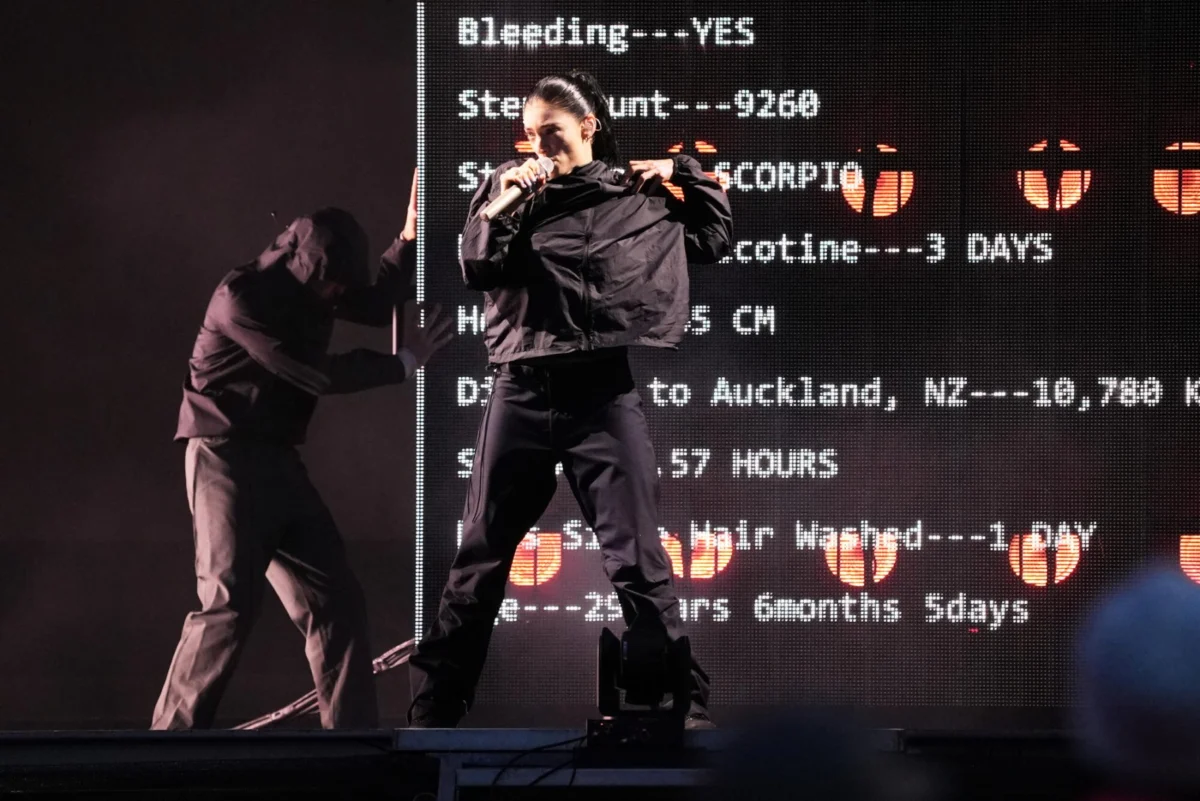
HangupsMusic.com – The burgeoning landscape of artificial intelligence within the music industry has just seen a significant flashpoint, as Grammy-winning artist Lorde vocally criticized Spotify’s new AI-powered "About the Song" feature. The New Zealand singer-songwriter, known for her introspective lyrics and commitment to artistic integrity, took to social media to lambaste the streaming giant for publishing what she deemed inaccurate and creatively reductive interpretations of her work. This incident reignites a crucial debate surrounding AI’s role in creative fields, particularly concerning authenticity, artistic control, and the nuanced relationship between creator and audience in an increasingly automated world.
Spotify, one of the world’s leading audio streaming services, rolled out its "About the Song" feature earlier this year in February, designed to offer listeners deeper insights into the purported meanings behind their favorite tracks. The concept was seemingly straightforward: leverage AI to distill contextual information from across the internet, providing fans with immediate, digestible summaries of a song’s narrative or inspiration. However, this innovative endeavor quickly hit a discordant note with Lorde, who found the algorithmic interpretations to be not just factually incorrect but fundamentally at odds with her artistic philosophy.
The focal point of Lorde’s ire was a specific AI-generated description for a song from her critically acclaimed 2025 studio album, Virgin. In an Instagram Story posted on Thursday, July 16, the artist, whose real name is Ella Yelich-O’Connor, shared a screenshot of the offending text. The AI’s summary claimed, "On her Ultrasound World Tour, Lorde turns Current Affairs into a full-on performance piece, stripping down to underwear while a dancer pours water over her stomach so the song plays out like the shower scene she talks about on stage." Lorde swiftly debunked this, clarifying that while the described choreographed segment featuring water does occur during her "Ultrasound" tour, it is performed during the song "GRWM," not "Current Affairs."

Beyond the factual error, Lorde articulated a profound philosophical objection to the feature itself. Her Instagram message to Spotify was unequivocal: "Hey @spotify i’m gonna go out on a limb n say we don’t want this. Not only is this inaccurate (not the song i did that in) but reducing a song to an ai generated meaning right at the source feels like it limits free interpretation imo. At least make it possible for artists to opt out please." Her statement underscored a core concern shared by many artists: the potential for AI to flatten the multi-layered experience of music, replacing subjective, personal interpretation with a single, algorithmically determined "truth." For an artist like Lorde, whose work often thrives on ambiguity and encourages listeners to find their own resonance within her narratives, such a feature could be seen as an unwelcome intrusion into the sacred space between artist and audience.
Lorde’s career has been defined by a keen awareness of the digital age and its impact on identity, fame, and authenticity. From her breakout hit "Royals," which critiqued consumerism and celebrity culture, to her more recent explorations of environmentalism and personal growth, her music consistently invites deeper thought. The idea that an AI could generate a definitive "meaning" for her songs, especially one that is incorrect, strikes at the heart of her artistic integrity. Her emphasis on "free interpretation" is not merely a preference but a fundamental aspect of how she engages with her audience, fostering a space where listeners can project their own experiences and understanding onto her work. This incident highlights a tension between streaming platforms’ drive for enhanced user engagement through data-driven insights and artists’ desire to protect the nuanced, often ineffable qualities of their creations.
In response to Lorde’s public critique, a Spotify spokesperson issued a statement to Billboard, acknowledging the situation and explaining the feature’s developmental stage. "We built ‘About the Song’ because fans want to dig into the stories behind the music. It’s still in beta. The info comes from articles across the internet, and when something’s off, we move fast to fix it, like we did here. Getting it right matters to us," the spokesperson stated. This response positions the feature as a fan-centric initiative, emphasizing its "beta" status as a work in progress and reassuring that accuracy is a priority. While Spotify’s swift action to correct the specific factual error is commendable, it does not fully address Lorde’s broader point about the inherent nature of AI-generated interpretations limiting artistic freedom. The platform’s reliance on "articles across the internet" as the source for AI analysis also raises questions about the veracity and authoritativeness of the information, particularly when dealing with the subjective realm of artistic intent.
This is not Lorde’s first foray into critiquing the pervasive influence of artificial intelligence. Her consistent skepticism forms part of a broader artistic stance against technology that blurs the lines of reality or encroaches on human experience. Just days prior to her Spotify comments, during her set at the Mad Cool Festival in Madrid on July 9, she made headlines for explicitly slamming wearable AI technology. "Increasingly, in our world, it gets harder and harder to know what is real," she declared from the stage, before offering a blunt warning to her audience: "Can I just say, for the record, f—k the glasses. Don’t get the glasses. Not sexy." This earlier statement, seemingly directed at devices like Meta’s Ray-Ban smart glasses, underscores a thematic thread running through her recent public comments: a concern for authenticity and the preservation of genuine human connection and perception in an age saturated with digital interfaces and AI-driven realities. For Lorde, the encroachment of AI into the interpretation of her art feels like a natural extension of this larger technological anxiety.
The debate sparked by Lorde’s comments is a microcosm of a much larger industry-wide conversation about the role of AI in music. Artists, producers, and labels are grappling with the ethical implications of AI-generated music, voice cloning, and deepfake technology. Concerns range from copyright infringement and fair compensation to the erosion of human creativity and the potential displacement of musicians and songwriters. While some see AI as a powerful tool for creation and innovation, others view it with caution, fearing a future where the essence of human artistic expression is diluted or even usurped by algorithms. The "About the Song" feature, while perhaps less overtly threatening than AI-generated compositions, touches upon the equally sensitive area of artistic narrative and interpretation, a domain historically reserved for human critics, scholars, and, most importantly, the listeners themselves.
As streaming platforms continue to innovate and integrate AI to enhance user experience, the incident with Lorde serves as a stark reminder of the delicate balance required. The drive for deeper engagement and personalized content must be weighed against artists’ rights to control their narratives and preserve the integrity of their creative output. The call for an "opt-out" option, as articulated by Lorde, could become a standard demand from artists who wish to maintain full sovereignty over the presentation and interpretation of their work. Such mechanisms would empower creators to decide whether they want an AI to mediate their art or prefer to leave the canvas of meaning open for direct engagement with their audience.
As Lorde prepares for her upcoming performance at the Colours of Ostrava festival in Ostrava, Czechia, on Saturday, July 18, her stance against algorithmic interpretation resonates far beyond her own discography. It highlights a pivotal moment in the music industry where the promises of AI innovation confront the fundamental values of artistic autonomy and the timeless human need for authentic connection through art. The ongoing dialogue between artists and tech giants will undoubtedly shape the future landscape of how music is consumed, understood, and ultimately, valued.
