
 By admin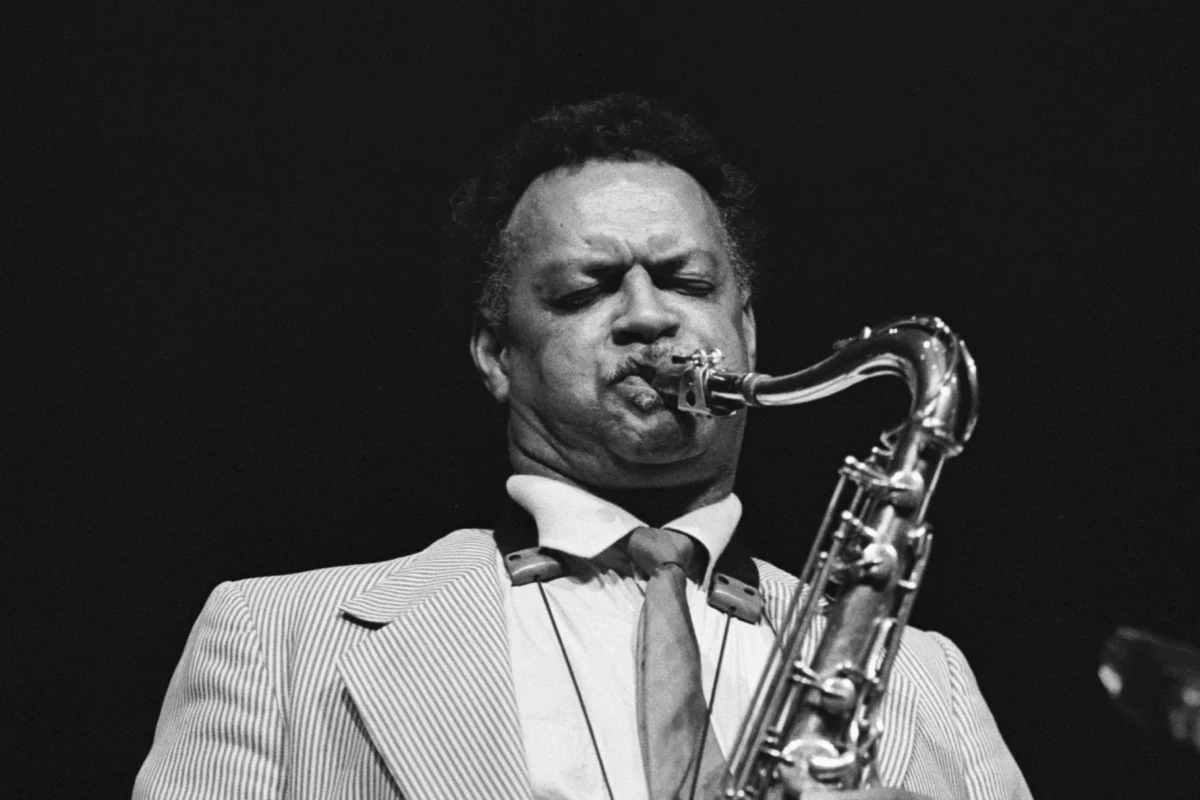
HangupsMusic.com – Los Angeles, The music world mourns the passing of a true titan, Plas Johnson, whose saxophone artistry graced countless iconic recordings across seven decades. Johnson, a virtuoso whose indelible sound became synonymous with a golden era of American music, passed away last week at the age of 94. His death, first reported on July 15 by his hometown newspaper, the Donaldsonville Chief, did not specify a cause. While his name might not be instantly recognized by every listener, Johnson’s contributions are woven into the very fabric of popular music, from the slinky cool of the "Pink Panther Theme" to the soulful backing of Marvin Gaye and the groundbreaking sounds of the Beach Boys. His career serves as a powerful testament to the often-unsung heroes of the recording studio, the session musicians whose genius shaped the soundtracks of generations.
Born John LaFrancis Johnson on July 21, 1931, in the quiet town of Donaldsonville, Louisiana, his musical journey began long before he ever picked up a saxophone. Raised in a family steeped in gospel and blues traditions, young Plas first found his voice singing alongside his siblings, absorbing the rich sonic tapestry of the South. His father, recognizing a nascent talent, eventually gifted him a saxophone, an instrument that would soon become an extension of his soul. This early immersion in diverse musical forms, from the spiritual fervor of church to the raw energy of local blues joints, laid the foundation for the extraordinary versatility that would define his later career. By 1950, Johnson, barely out of his teens, made his professional recording debut for DeLuxe Records, collaborating with his brother Ray. This early success soon led him to tour with the esteemed blues and R&B pianist and vocalist Charles Brown, an experience that further honed his craft and exposed him to the rigors and rewards of life on the road. These formative years in Louisiana and his early touring experiences instilled in him a profound understanding of rhythm, melody, and the emotive power of his instrument, preparing him for the monumental impact he would soon have on the burgeoning West Coast music scene.
Following a period of service in the United States Army, Johnson made a pivotal move to Los Angeles in 1954, a city rapidly solidifying its position as a global music hub. It was here that he truly blossomed, quickly establishing himself as one of the most in-demand and prolific session musicians in the industry. Los Angeles in the mid-20th century was a hotbed of musical innovation, and Johnson found himself at the epicenter, lending his exceptional talents to an astonishing array of artists and genres. He became a fixture in the city’s recording studios, a key component of the legendary collective of uncredited musicians often referred to as "The Wrecking Crew." This elite group of studio wizards, celebrated in Denny Tedesco’s 2008 documentary of the same name, were the architects behind countless hit records, their anonymity contrasting sharply with the superstardom of the artists they supported. Johnson’s ability to seamlessly transition between jazz, R&B, rock and roll, and pop made him invaluable, his saxophone solos and fills providing the crucial texture and emotional depth that elevated tracks to classic status. His consistent presence in Henry Mancini’s orchestra throughout the 1950s and 60s, a period of immense creativity for the celebrated composer, further cemented his reputation as a top-tier performer capable of delivering precision and passion on demand. His transition into television studio bands, notably joining Merv Griffin’s show in 1970, showcased his adaptability and enduring relevance in a constantly evolving entertainment landscape.
Among his vast discography, one particular recording stands as his most widely recognized and beloved contribution: the iconic "Pink Panther Theme." In 1963, Johnson stepped into the studio with the legendary composer Henry Mancini to lay down the saxophone lead for Blake Edwards’ comedy film, The Pink Panther. What transpired in that session was nothing short of magic. Johnson’s smooth, sophisticated, yet undeniably playful saxophone melody perfectly captured the essence of the film’s suave, bumbling detective. The theme’s instant appeal was undeniable, earning three Grammy Awards and an Academy Award nomination for Best Original Score. Johnson himself famously recounted the effortless creation of this classic, stating, "We only did two takes, I think. When we finished, everyone applauded, even the string players." This anecdote speaks volumes about his innate musicality and the immediate, universal appeal of his performance. His solos were not merely technical exercises; they were narrative elements, capable of conveying mood, humor, and depth in just a few bars. As Johnson once observed, "My solos always seemed to bring the record up another notch. I could do that in eight bars, I could do that in twelve bars, and I was used to maybe do fills behind the vocalist after that." This self-awareness of his unique ability to elevate a track through concise, impactful improvisation was a hallmark of his genius and a key reason for his enduring demand.
Throughout his illustrious career, Plas Johnson collaborated with an astonishing array of musical giants, leaving his sonic signature on recordings that transcended genres and generations. From the cool elegance of Frank Sinatra to the raw power of B.B. King, from the sophisticated harmonies of the Beach Boys to the soulful introspection of Marvin Gaye, Johnson’s saxophone was a chameleon, adapting its timbre and phrasing to suit each artist’s unique vision. He lent his talents to rock and roll pioneers like Ricky Nelson and Johnny Otis, jazz legends such as Ella Fitzgerald and Nat King Cole, and later pop and rock luminaries including Bette Midler, Carole King, Aaron Neville, Linda Ronstadt, Boz Scaggs, and Rod Stewart. Each collaboration was a testament to his versatility and the universal appeal of his sound. In the early 2000s, his enduring artistry found a new generation of admirers when he contributed to Joni Mitchell’s critically acclaimed 2002 LP, Travelogue, demonstrating his ability to remain relevant and creatively vital decades into his career. His presence on such a diverse range of recordings underscores not just his technical prowess but also his deep musical empathy, always serving the song and enhancing the artist’s expression.
While primarily known for his session work, Johnson also stepped into the spotlight as a solo artist, releasing several well-received albums that showcased his own interpretive skills and compositional flair. His 1959 debut, This Must Be the Plas!, released on Capitol Records, was met with critical acclaim, establishing him as a formidable bandleader in his own right. In 1975, he followed up with The Blues on Concord Jazz, another testament to his profound connection to the foundational genre that influenced so much of his playing. These albums offered listeners a deeper dive into Johnson’s personal musical landscape, blending his signature smooth tone with inventive improvisations and a clear respect for the jazz and blues traditions from which he emerged. His solo work, though perhaps less globally recognized than his contributions to pop hits, was nonetheless a vital part of his artistic output, allowing him to explore broader musical concepts and express his individuality beyond the confines of a session.
Plas Johnson’s passing marks the end of an era, but his legacy is one that will continue to resonate for generations. His career, beautifully chronicled in The Wrecking Crew documentary, illuminated the often-unseen work of the studio musicians who were the backbone of America’s popular music in the 20th century. Johnson, with his distinctive saxophone sound and unparalleled adaptability, left an indelible mark on the musical landscape, a testament to the fact that true artistry often thrives just beyond the glare of the main stage. He will be remembered not only for the instantly recognizable "Pink Panther Theme" but also for the countless, often uncredited, saxophone solos and fills that enriched the lives of millions, subtly shaping the soundtrack of their memories. His unique blend of jazz sophistication, blues grit, and pop sensibility created a sound that was unmistakably his own, influencing countless musicians and bringing joy to listeners worldwide. Plas Johnson was more than just a session musician; he was a sonic architect, a maestro whose enduring work will continue to inspire and entertain, cementing his place as one of the most important and influential figures in modern music history.
