
 By Azzam Bilal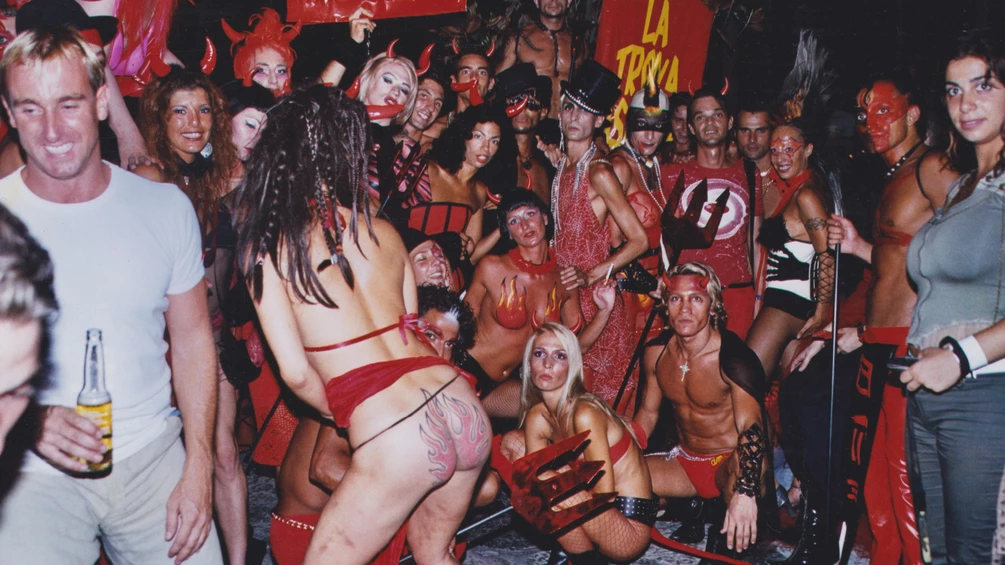
HangupsMusic.com – Ibiza, Spain, has long been regarded as the global epicenter of electronic dance music, a sun-drenched laboratory where subcultures collide and the boundaries of nightlife are constantly redefined. Yet, amid the rapid commercialization and the revolving door of seasonal residencies, few institutions have maintained their soul with the tenacity of La Troya. For over four decades, this kaleidoscopic gathering has served as the island’s beating heart, outlasting the very brick-and-mortar cathedrals that once housed it. It is more than a party; it is a living archive of Ibiza’s transformative history, a testament to the vision of its late founder, Brasilio de Oliveira, and a sanctuary where the social hierarchies of the outside world are dismantled the moment the bassline kicks in.
To understand the gravity of La Troya, one must look toward a legendary list often cited by those who have navigated its crowded dancefloors. It is not a list of VIPs or celebrity attendees, but rather a catalog of vocations. On any given night, the crowd is a tapestry of contradictions: lawyers, police officers, butchers, politicians, sex workers, professional athletes, builders, fashion models, engineers, and librarians. They dance alongside drag performers, judges, and bikers. This radical democratization of the dancefloor was the primary objective of Brasilio de Oliveira, a man who arrived in Ibiza from São Paulo in the early 1970s and proceeded to spend half a century sculpting the island’s hedonistic identity. As Eduardo de Oliveira, the brand’s current director, explains, the goal was never to create a tiered experience based on wealth or status, but to foster an environment where self-expression was the only currency of value.
The genesis of this movement can be traced back to the mythical KU, the open-air venue that would eventually become Privilege. During the 1970s and 80s, KU was the site of Ibiza’s most legendary excesses, and it was here that Brasilio first experimented with the theatrical, carnival-infused aesthetic that would define his career. Before the name La Troya was etched into the annals of clubbing history, the party took various forms, such as La Vaca Asesina, and manifested through immersive themes like Babylonia, The Temple of Love, and The Psychiatric Hospital. These were not merely parties with decorations; they were total-theatre experiences that transformed the clubbing environment into a surrealist dreamscape.
The DNA of La Troya is inextricably linked to Brasilio’s Brazilian heritage. He brought the vibrant, multi-racial culture of São Paulo—the energy of the samba schools, the high drama of telenovelas, and the uninhibited spirit of the carnival—to the Mediterranean. This influence manifested in the elaborate floats and the iconic street parades that became a hallmark of the Ibiza summer. Long before social media provided a digital window into the island’s nightlife, the sight of a La Troya caravan winding through the Marina and the Old Town was the primary signal that the season had truly begun. These parades were a gift to the public, a way of extending the club’s energy into the streets and inviting everyone, regardless of whether they had a ticket, to witness the spectacle.
Central to the social fabric of the party was the Cocoloco bar. In an era before mobile phones, the bar served as a vital nexus point—a "petit comitè" where locals, business owners, and seasoned travelers met to exchange news and introduce friends. It was a space for genuine human connection, emphasizing that while the music was the engine, the community was the soul. This sense of belonging was particularly vital for the LGBTQ+ community. La Troya has been a staunchly inclusive space since its inception, providing a safe harbor for individuality at a time when such freedoms were not always guaranteed. This commitment to safety and diversity was not a marketing strategy; it was a fundamental pillar of the brand’s identity, supported by the local businesses of Calle de la Virgen and the Marina.
The journey of La Troya has been one of constant movement and adaptation. As the clubbing landscape of Ibiza shifted, the party migrated through the island’s most prestigious venues, including Amnesia, Space, Heart, and most recently, Club Chinois. Each transition required a delicate balance: preserving the core essence of the party while evolving to meet the technical and aesthetic demands of a new era. Throughout these moves, the musical identity remained consistent—house music that was uplifting, Iberian-inflected, and relentlessly euphoric. Resident DJs like DJ Oliver, César de Melero, and the long-standing Oscar Colorado became the architects of this sound, crafting sets that mirrored the theatricality of the performers on stage.
The resilience of the brand was put to its ultimate test in 2020. Brasilio de Oliveira, who had spent forty years making people dream, passed away in São Paulo after contracting COVID-19. His death sent shockwaves through the global electronic music community. He had been a pioneer who brought over 200 international artists to the island, ranging from James Brown and Gloria Gaynor to Kylie Minogue. He had invented the immersive party format that is now standard practice in luxury clubs worldwide. For a moment, the future of La Troya seemed uncertain, as the world’s dancefloors fell silent during the pandemic. However, under the leadership of Eduardo de Oliveira, the collective returned with a renewed sense of purpose, carrying Brasilio’s vision into a new decade.
The 2026 season sees La Troya returning to its current home at Club Chinois in Marina Botafoch. The venue, known for its opulent design and intimate atmosphere, provides a fitting backdrop for the "organized chaos" that the party specializes in. The season kicked off with a high-energy showcase during IMS week in April, featuring a lineup that bridged the gap between the party’s historical roots and its contemporary relevance. Performers like the multi-disciplinary artist Baby Marcelo continue to push the boundaries of what a club performance can be, ensuring that the visual experience remains as jarring and beautiful as ever.
Musically, the 2026 roster reflects a deep respect for the history of house music. Legends like Todd Terry and David Morales, who helped define the New York underground sound, remain integral to the La Troya experience. Their presence connects the dots between the gritty warehouses of the 1980s and the polished booths of modern-day Ibiza. They are joined by stalwarts like David Penn and Groove Armada, as well as contemporary figures like Jodie Harsh and Gok Wan, who bring a fresh perspective to the party’s LGBTQ+ roots. This breadth of talent ensures that the music remains a vehicle for the collective experience, rather than a distraction from it.
As La Troya enters its fifth decade, its legacy is defined not by the number of tickets sold, but by the memories of those who found a home on its dancefloor. It remains a place where a billionaire and a builder can share a drink, where the costumes are as important as the kicks, and where the spirit of Brasilio de Oliveira continues to dance in the shadows. Eduardo de Oliveira remains committed to this path of authenticity, ensuring that the party never loses its edge or its heart. In an ever-changing world, La Troya stands as a reminder that the most enduring experiences are those built on the simple, powerful idea that everyone—regardless of profession or identity—belongs on the dancefloor. It is a legacy of color, a history of chaos, and a future that belongs to the collective.
