
 By admin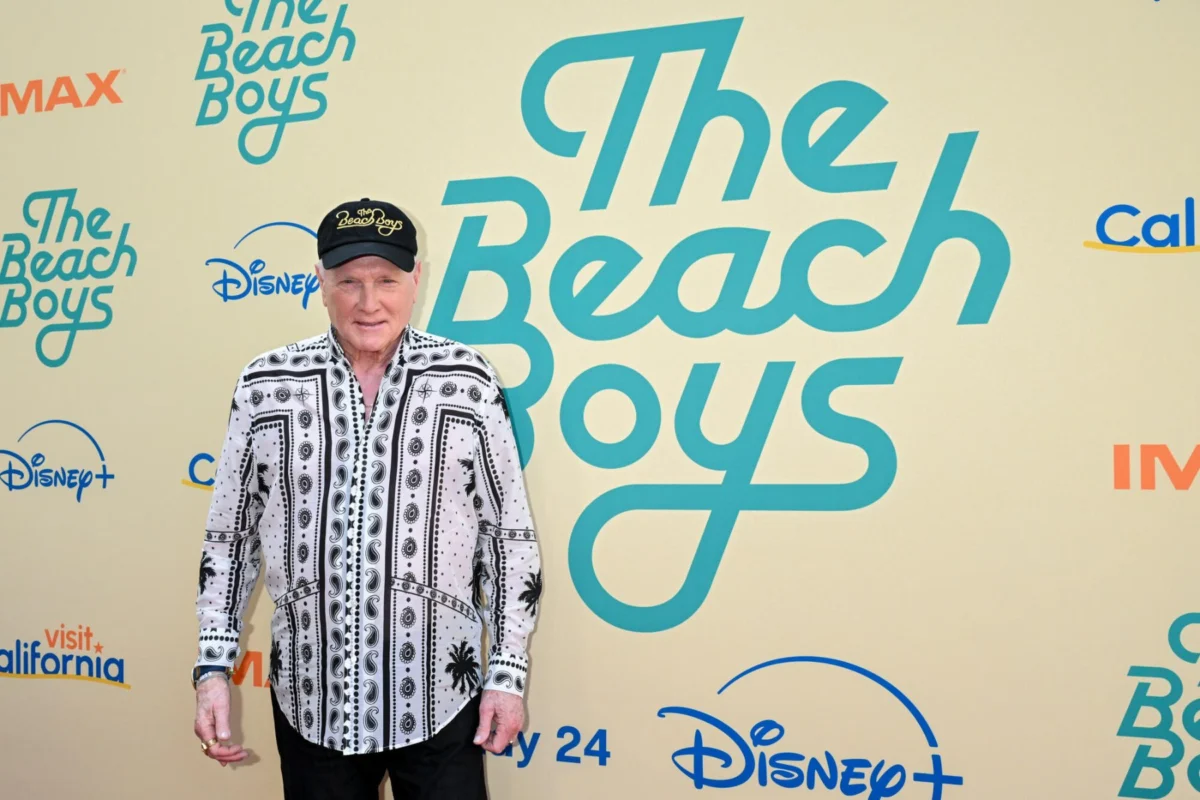
HangupsMusic.com – Los Angeles, CA – The relentless rhythm of summer touring has momentarily quieted for legendary surf rock pioneers The Beach Boys, as frontman and sole remaining classic-era member, Mike Love, has announced a temporary hiatus from their extensive 2026 schedule. At 85 years old, Love’s decision to ‘recharge’ comes after a demanding stretch on the road, prompting the iconic group to postpone nearly thirty performances over a six-week period. This unexpected break, conveyed via Love’s official Instagram account, aims to allow the veteran ensemble to regain their vitality before embarking on their anticipated fall engagements, ensuring the continuation of their signature ‘good vibrations’ for audiences worldwide.
The announcement from Love detailed that the pause in performances, which began just as the band was slated for a July 23rd show at Virginia’s renowned Wolf Trap, will extend through a planned September 3rd engagement in Pueblo, Colorado. Love’s message to fans expressed gratitude for their unwavering support, stating, "Playing for you is the highlight of our summer every year – especially as we celebrate the 250th anniversary of the United States while saluting the 60th Anniversary of Pet Sounds." He assured ticket holders that all existing purchases for the affected dates would be honored, encouraging them to reach out to local box offices for updated information regarding rescheduled performances. "Thanks for your love – we can’t wait to see you back out there for a September to Remember," Love concluded, underscoring the band’s commitment to their loyal fanbase.
This temporary suspension of live dates casts a spotlight on the extraordinary endurance required to maintain a global touring act for over six decades, particularly as its central figures advance in age. Mike Love, a founding member whose distinctive baritone has anchored The Beach Boys’ sound since their inception in the early 1960s, now stands as the last actively touring representative of the band’s golden era. His continued presence on stage, performing classics like "Good Vibrations," "California Girls," and "Surfin’ U.S.A.," is a testament to an unparalleled dedication, yet it also brings into sharp focus the inevitable realities of time.
The Beach Boys’ journey from Hawthorne, California, garage band to global phenomenon is a saga deeply woven into the fabric of American popular culture. Their harmonious blend of surf rock, hot rod anthems, and sophisticated pop craftsmanship, largely guided by the visionary songwriting and production of Brian Wilson, defined a generation. Love’s lyrical contributions, often focusing on themes of surfing, cars, and youthful romance, complemented Wilson’s intricate musical arrangements, creating a sound that was both innovative and universally appealing. Their impact extends far beyond mere record sales, influencing countless artists across genres and cementing their place in the pantheon of rock and roll. The mention of Pet Sounds‘ 60th anniversary is particularly significant; released in 1966, the album marked a pivotal moment not just for The Beach Boys but for popular music as a whole. Its complex orchestral arrangements, introspective lyrics, and pioneering production techniques elevated the pop album to an art form, influencing seminal works like The Beatles’ Sgt. Pepper’s Lonely Hearts Club Band. Its anniversary serves as a poignant reminder of the band’s profound artistic depth, a legacy Love continues to honor on stage.
Love’s current status as the sole remaining classic-era touring member is a relatively recent development in the band’s complex history. Earlier this year, longtime vocalist and keyboardist Bruce Johnston, 83, announced his retirement from touring after an incredible six decades with the group. Johnston, who joined The Beach Boys in 1965, brought a crucial vocal and instrumental presence, helping to shape their sound through many of their most experimental and successful periods, including the groundbreaking Pet Sounds album. His departure marked a significant shift, leaving Love as the only one from that formative period still regularly performing under The Beach Boys banner.

Prior to Johnston’s retirement, fellow co-founder and rhythm guitarist Al Jardine, a core member since 1961, ceased touring with Love’s iteration of The Beach Boys in 2012. Jardine has since pursued his own solo ventures and occasionally performs with Brian Wilson. The narrative of The Beach Boys has long been one of shifting lineups, internal tensions, and tragic losses. The untimely deaths of Dennis Wilson in 1983 and Carl Wilson in 1998 removed two more irreplaceable voices and talents from the original lineup. Brian Wilson, the band’s primary creative genius, largely withdrew from touring for many years due to personal struggles and has, in recent decades, toured extensively under his own name, often performing Beach Boys material with Jardine. This intricate tapestry of members and their respective paths highlights Love’s unique position, carrying the torch for a legacy forged by many, now largely on his own shoulders. Mike Love’s stage presence has always been distinctive; known for his engaging banter and often wearing a signature baseball cap, he acts as the primary master of ceremonies for the touring Beach Boys. His vocal style, characterized by a clear, often nasally baritone, was instrumental in delivering many of the band’s most recognizable lead vocals and harmonies, from the call-and-response of early surf hits to later chart-toppers like "Kokomo" in 1988. While the touring configuration has seen various musicians join and depart over the years, Love has remained the consistent, central figure keeping the live band on the road.
The demands of an intensive touring schedule are formidable for any artist, let alone one in their mid-eighties. The rigorous travel, late nights, and physical exertion required for live performance can take a considerable toll. Recent observations regarding Love’s health and stage presence have brought these challenges into sharper focus. A Slate review of the band’s May 30th performance at the State Theatre in New Brunswick, New Jersey, offered a candid assessment of Love’s condition. The reviewer described Love as appearing "sallow and enfeebled," noting his legs were "stiff" and his "arms flat by his side." More significantly, the review commented on a noticeable change in his vocal delivery, stating that "his once resonant tenor was reduced to a whisper, all warbled, strange, and barely there."
These critical observations, though stark, underscore the immense pressure on aging musicians to maintain the high standards fans expect, often for songs that demand youthful exuberance and vocal prowess. Following that May 30th concert, The Beach Boys did cancel a series of subsequent shows, citing an unspecified illness that Love was experiencing. The tour eventually resumed on June 14th, but the recent pause signals a recognition that a more substantial break was necessary to ensure Love’s well-being and the quality of future performances. This situation is not unique to The Beach Boys; many legendary acts from the 1960s and 70s, whose members are now in their seventies and eighties, grapple with the physical toll of sustained touring. Artists like Paul McCartney and The Rolling Stones, for instance, continue to perform to sold-out stadiums, but often with modified schedules, shorter sets, and careful management of their energy levels, demonstrating the universal challenge of balancing an enduring passion for performance with the undeniable realities of aging. The dialogue surrounding these performances often centers on the delicate balance between celebrating a living legend and acknowledging the natural decline that comes with advanced age, a conversation now squarely focused on Love and The Beach Boys.
For fans, the experience of seeing The Beach Boys in 2026 is a complex blend of nostalgia and the bittersweet acknowledgment of time’s relentless march. Many attend to relive cherished memories, to hear the timeless melodies that soundtracked their lives, and to connect with a piece of cultural history. Mike Love’s dedication ensures these songs continue to be heard live, often performed with a backing band of accomplished musicians who skillfully recreate the intricate harmonies and instrumentation. These supporting players are crucial in delivering the lush vocal arrangements and complex musical textures that are hallmarks of The Beach Boys’ sound, allowing the legacy to flourish even as the original lineup evolves. However, the critical perspective, as exemplified by the Slate review, raises questions about the balance between preserving a legacy and maintaining an authentic, vibrant live performance. It’s a challenge faced by many long-standing acts whose members continue to tour well into their senior years.
The logistical implications of postponing nearly 30 shows are substantial, impacting venues, promoters, and thousands of ticket holders. While Love’s announcement reassuringly states that tickets will be honored for rescheduled dates, the process often involves communication challenges, potential conflicts with other scheduled events, and the inconvenience for fans who have made travel arrangements. The commitment to rescheduling, rather than outright cancellation, reflects a strong desire to fulfill obligations and continue connecting with their audience, a testament to the band’s deep appreciation for their fan base.
As The Beach Boys look towards their "September to Remember," this mid-summer pause prompts reflection on the future of this iconic touring entity. How much longer can Mike Love, at 85, continue to lead such an intensive schedule? Will there come a point where the torch must be passed, or where the live performances evolve into a different format? The legacy of The Beach Boys is vast and multifaceted, encompassing studio masterpieces, groundbreaking innovations, and a live performance history spanning generations. While the physical demands of touring may necessitate periodic breaks and adjustments, the spirit of their music, with its eternal optimism and celebration of Americana, seems destined to resonate for many years to come. Love’s decision, therefore, is not merely a pause in a tour; it is a moment of necessary recalibration for a living legend, ensuring that the "good vibrations" can indeed continue, albeit at a pace more attuned to the wisdom and resilience that only decades in the spotlight can bestow.
