
 By Azzam Bilal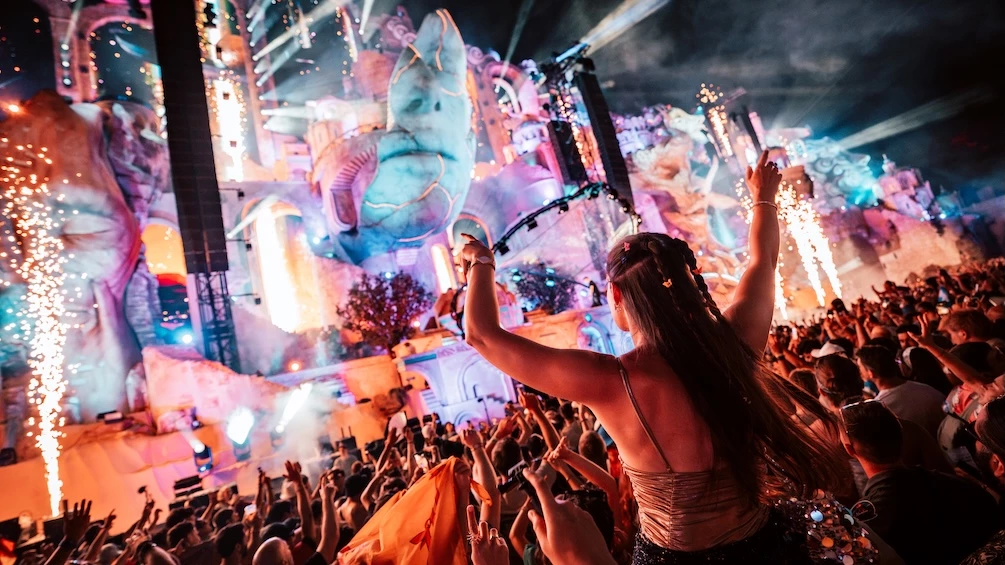
HangupsMusic.com – Boom, Belgium, has long been recognized as the epicenter of the electronic dance music universe, but beneath the pulsating basslines and the elaborate stage designs of Tomorrowland lies a burgeoning micro-economy that is fundamentally reshaping the lives of the town’s permanent residents. While the festival is famous for its world-class lineups and immersive fantasy themes, a recent deep dive into the local impact reveals that the "People of Tomorrow" are not the only ones benefiting from the annual pilgrimage to the De Schorre recreation ground. For the citizens of Boom and the neighboring municipality of Rumst, the festival has evolved from a noisy annual disruption into what many are now calling a "magic money tree."
A comprehensive survey conducted by the Flemish news outlet VRT NEWS has shed light on the sophisticated ways in which locals are capitalizing on the influx of nearly 400,000 attendees. The report highlights a shift in perspective; where there was once perhaps a sense of endurance regarding the traffic and crowds, there is now a strategic entrepreneurial spirit. From amateur sports clubs to retired couples, the residents of these Belgian towns have found creative ways to integrate themselves into the festival’s supply chain, providing essential services that the official organizers cannot always cover at a grassroots level.
One of the most heartwarming and practical examples of this economic symbiosis can be found at the Reetse Veteranen Vrienden football club in Rumst. Located just a stone’s throw from the sprawling Dreamville campsite, the club has turned its proximity into a vital revenue stream. For several years, the club has operated a beverage stall that caters to the specific, immediate needs of campers. According to the club’s chairman, Patrick De Maeyer, the demand for cold drinks and, perhaps more importantly, ice cubes, is relentless. The trek from the campsite to official vendors can often be long, and the local football club provides a convenient alternative for those looking to beat the summer heat.
The financial impact for the club is substantial. De Maeyer noted that over the course of the two-weekend festival, the stall generates approximately 3,000 euros in profit. While this might seem like a modest sum in the context of Tomorrowland’s multi-million-euro production budget, for a local amateur sports organization, it is transformative. These funds are used to maintain their football pitch, cover the costs of laundering team kits, and even repair the club’s two large-scale mascots. This grassroots commercialism ensures that the benefits of a global mega-event are felt directly by the community’s social fabric, supporting local athletics long after the last DJ has left the stage.
However, the most significant financial gains are being seen in the private housing sector. The "Tomorrowland effect" has created a hyper-competitive short-term rental market that rivals major tourist hubs like London or Ibiza during their peak seasons. As official accommodations and the Dreamville campsite reach capacity almost instantly, festival-goers are turning to residential neighborhoods for a place to rest. This has led to a surge in local Airbnb listings, where prices reflect the extreme disparity between supply and demand.
In Boom, residents like Karen Depaepe and Tom Provost have entered the fray, offering a three-room accommodation suitable for six guests. Their asking price of 900 euros per night underscores the premium that attendees are willing to pay for comfort and proximity. Despite the high price tag, the couple reported that their rooms were booked within twenty-four hours of being listed. For many locals, this represents a low-effort, high-reward opportunity to fund their own summer vacations or home improvements. The trend extends to even more informal arrangements; in Rumst, it is not uncommon for residents to rent out their back gardens as private campsites. One local man reportedly earns 500 euros for a single weekend just by allowing a few tents to be pitched on his lawn.
This influx of private capital is not without its complexities. The rapid commercialization of residential spaces during the festival weeks has turned quiet suburban streets into bustling hubs of international activity. Yet, the sentiment among the community remains largely positive. Depaepe noted that many of her neighbors have had similar success stories, creating a sense of shared prosperity rather than resentment. The festival, in essence, has become a seasonal harvest for the town, providing a financial cushion that lasts throughout the year.
While the economic story is one of success, the 2026 edition of the festival has also highlighted the growing challenges of hosting a massive event in an era of shifting climate patterns. As the second weekend of the 2026 festivities commenced, a shadow was cast over the event’s signature pyrotechnic displays. The Belgian government issued a wildfire risk warning due to prolonged dry conditions and high temperatures, prompting Tomorrowland organizers to make the difficult decision to cancel all large-scale fireworks.
The restriction on pyrotechnics is a significant departure for a festival that prides itself on visual spectacle. Tomorrowland’s closing ceremonies are legendary for their choreographed explosions and light shows, which are often synchronized to the millisecond with the music. For the second weekend of 2026, however, the organizers have had to rely on "limited pyrotechnics" and alternative visual effects to ensure the safety of the surrounding forests and residential areas. This move, while disappointing for some fans, has been praised by local authorities as a responsible step toward environmental stewardship and community safety. It serves as a reminder that the relationship between the festival and the town is a delicate balance of economic gain and environmental risk.
The evolution of Tomorrowland from a small, single-day event in 2005 to a global phenomenon has mirrored the evolution of Boom itself. The town has grown accustomed to the logistical feat of hosting the world, and the infrastructure of the region has been forced to adapt. Roads are closed, security is heightened, and the local police force works in tandem with international agencies. Yet, the "magic" that the festival promotes seems to have rubbed off on the local economy. The "Magic Money Tree" described by VRT NEWS is not just a metaphor for easy cash; it represents a sophisticated integration of a global brand into a local ecosystem.
Furthermore, the festival provides a unique platform for local businesses beyond just housing and drinks. Local bakeries, grocery stores, and pharmacies see a massive uptick in foot traffic, often stocking specialized items to cater to the "People of Tomorrow." The "Tomorrowland dividend" is a real economic phenomenon that helps sustain the town’s commercial center, which might otherwise struggle in the age of e-commerce and large-scale shopping malls.
As the second weekend of the 2026 edition continues, the focus remains on the music and the atmosphere. Fans are currently dissecting the set times and debating which tracks will define this year’s experience, following a first weekend that saw a diverse range of genres dominating the various stages. From the high-energy mainstage anthems to the deeper, more underground sounds of the Atmosphere and Freedom stages, the musical output remains as prolific as ever. However, for the people living in the houses lining the route to De Schorre, the true headliner of the festival is the economic opportunity it brings to their front doors.
Ultimately, the story of Tomorrowland in 2026 is one of resilience and adaptation. Whether it is a football club raising funds for a new pitch or a family saving for a holiday through Airbnb, the residents of Boom and Rumst have proven that they are more than just spectators to the madness. They are active participants in a global event, navigating the challenges of climate-related restrictions and the pressures of mass tourism to create a sustainable and profitable relationship with one of the world’s most iconic music festivals. As the bass fades and the crowds eventually disperse, the financial and social impact of these two weeks will continue to resonate through the streets of Boom, proving that the magic of Tomorrowland is as much about the people who live there as the people who visit.
