
 By admin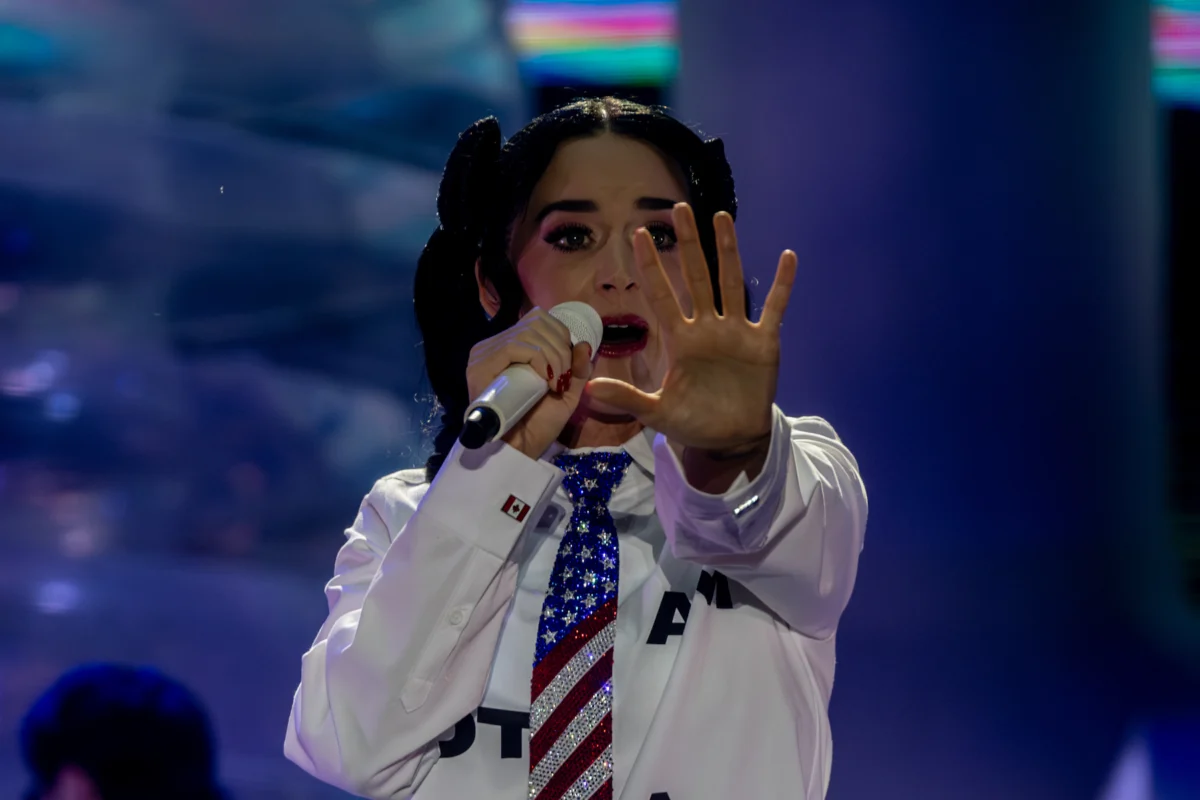
HangupsMusic.com – Pop superstar Katy Perry has vehemently denounced the White House’s use of her empowering anthem, "Firework," as a backdrop for a TikTok video showcasing military strikes. The singer expressed profound dismay and anger, asserting that her music, intended for unity and personal strength, was egregiously misused to celebrate destruction and violence. This incident marks another contentious episode in a growing trend of political entities appropriating popular music for purposes starkly at odds with the artists’ intentions.
Perry’s condemnation came swiftly and decisively via a public statement on X (formerly Twitter). "I am deeply appalled and angry to see ‘Firework’ used on the White House TikTok account as a backing track for video footage of military strikes," she wrote, making it unequivocally clear: "I did not approve this, I was not asked, and I absolutely do not condone it." Her words resonated with fans and fellow artists, highlighting the sensitive intersection of creative expression and political messaging, particularly when the latter appears to disregard artistic integrity.
The controversial 9-second TikTok video, published by the official White House account just days prior, featured "unclassified" footage depicting U.S.-fired missiles impacting port targets in Iran. The visual spectacle of explosions was jarringly accompanied by Perry’s powerful chorus, specifically the lines, "Boom, boom, boom / Even brighter than the moon." The video’s caption, a stark and provocative message, simply stated: "Iran has been warned." The juxtaposition of a song synonymous with inner resilience and self-belief against scenes of military aggression immediately sparked outrage, drawing a sharp contrast between the track’s original spirit and its jarring political application.
Perry elaborated on the genesis and purpose of "Firework," a song released in 2010 that quickly became a global sensation and an enduring symbol of hope. "I wrote this song to be an anthem of hope, healing, and inner strength for people going through their darkest personal moments," she explained. The track’s lyrics, which encourage listeners to recognize their inherent worth and potential, have resonated with millions seeking inspiration and solace. To witness this message transformed into a soundtrack for conflict was, in her words, a "complete violation of everything my song stands for." She emphasized that the weaponization of a message of "self-worth and upliftment" to underscore "destruction and violence" was antithetical to her artistic vision.
This incident, while singular in its specifics, is not isolated. Katy Perry joins a growing roster of prominent musicians who have publicly chastised the White House’s social media team for the unauthorized and ideologically conflicting use of their creative works. The trend underscores a broader debate surrounding intellectual property rights, artistic control, and the ethical responsibilities of government bodies in their public communications.
Earlier this year, pop sensation Olivia Rodrigo voiced her strong objections after a federal agency utilized her music for what she described as "hateful propaganda." Similarly, Sabrina Carpenter, another rising star, found her music appropriated by the White House, prompting her to join the chorus of artists expressing their displeasure. These instances suggest a pattern of behavior from the administration’s digital strategists, who appear to be deliberately selecting music from artists known for their critical stance towards the current political leadership.
Perhaps one of the most notable previous examples involved The White Stripes’ iconic track, "Seven Nation Army." The song, a staple at sporting events and protests worldwide, was featured in another White House TikTok promoting military action. This choice was particularly ironic given that the song’s writer, Jack White, has been an outspoken and unequivocal critic of the administration. His previous public statements and artistic expressions have consistently distanced him from the political ideology that the White House seeks to represent, making the appropriation of his work seem like a deliberate act of provocation or, as some observers have labeled it, "shitposting."
The repeated use of music by artists who are avowedly critical of the administration raises questions about the motivations behind the White House’s social media strategy. Is it a deliberate attempt to needle political opponents? An effort to co-opt cultural touchstones regardless of the artist’s affiliation? Or simply a misguided attempt to appear culturally relevant without proper consideration for artistic rights and messaging? Regardless of intent, the outcome has been a series of public rebukes from high-profile artists, drawing attention to the perceived disrespect for creative autonomy.
From a legal standpoint, the use of copyrighted music in official government communications without explicit permission from the rights holders can open a Pandora’s box of issues. While fair use provisions exist, the context of using a song as a promotional tool for military action, especially when the artist explicitly objects and the message is distorted, often falls outside these protections. Beyond the legalities, however, lies the ethical dimension: the fundamental right of an artist to control the message and context in which their work is presented to the public. For many musicians, their art is an extension of their values and beliefs, and its appropriation for conflicting political ends is seen as a profound betrayal.
Katy Perry’s "Firework" is not merely a catchy tune; it’s a narrative of self-empowerment, resilience, and the triumph of the human spirit over adversity. Its transformation into a soundtrack for military aggression represents a stark ideological dissonance. The singer’s final statement on the matter encapsulated her core belief: "My music is for bringing people together, not celebrating warfare." This sentiment echoes the broader artistic community’s desire for their creations to inspire, unite, and uplift, rather than to be co-opted for divisive or destructive political agendas. As the digital landscape continues to blur the lines between art, politics, and propaganda, the battle for artistic integrity remains a crucial front for creators worldwide.
