
 By admin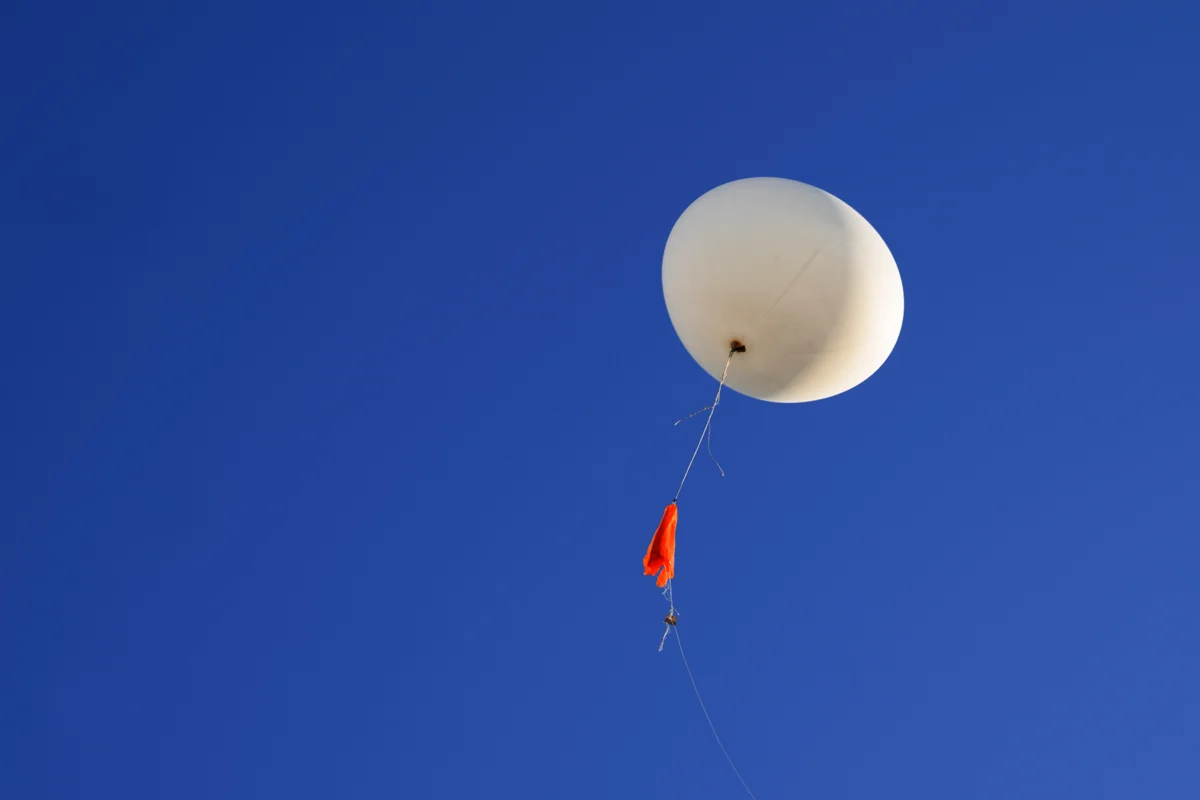
HangupsMusic.com – Across living rooms and digital feeds, a quiet but persistent concern has been brewing: are our daily weather forecasts becoming less reliable? This sentiment, circulating through public discourse, media reports, and expert discussions, suggests a noticeable dip in the precision of meteorological predictions. While the intricacies of atmospheric science often remain opaque to the general public, a growing body of evidence, bolstered by expert opinion and governmental data, points to systemic challenges within America’s core weather monitoring agencies, particularly the National Weather Service (NWS). At the heart of this unfolding narrative lies a pattern of administrative decisions that, according to critics, prioritized budgetary cuts and an skepticism towards established scientific institutions, inadvertently eroding the very infrastructure crucial for accurate forecasting.
The foundation of modern weather prediction rests on a complex interplay of data collection, computational modeling, and human expertise. Central to this elaborate system are weather balloons, which serve as the unsung heroes of atmospheric observation. Launched typically twice daily from dozens of sites nationwide, these balloons ascend through the troposphere and stratosphere, carrying a crucial instrument known as a radiosonde. This compact device continuously transmits vital atmospheric parameters back to ground stations: temperature, humidity, pressure, and wind speed and direction at various altitudes. This invaluable vertical profile data is then assimilated into sophisticated numerical weather prediction models, working in concert with information gathered from Doppler radar networks and an array of geostationary and polar-orbiting satellites. The synergy of these diverse data streams allows meteorologists to construct a comprehensive, three-dimensional picture of the atmosphere, enabling the creation of forecasts that inform everything from daily commutes to critical emergency preparedness strategies.
However, recent trends indicate a troubling decline in the frequency of these essential weather balloon launches. Data from the National Oceanic and Atmospheric Administration (NOAA), the parent agency of the NWS, has revealed a noticeable reduction in the number of radiosonde releases compared to historical norms. This decrease translates directly into data gaps, particularly in critical regions such as the central and western United States. As David Stensrud, a distinguished professor of meteorology and atmospheric science at Penn State, points out, many radiosonde sites in these vital areas are now foregoing their crucial morning launches, often delaying until midday. "They’re launched typically around midday," Stensrud notes, "so you don’t get the full picture anymore." This fragmented observational window means that meteorological models are fed an incomplete diet of atmospheric data, inherently compromising their ability to accurately simulate future weather conditions and, consequently, the reliability of the resulting forecasts.
Beyond the quantifiable loss of data, a less tangible but equally critical element has been compromised: human expertise. The NWS, like many other federal scientific agencies, experienced significant staffing reductions in recent years. These cuts disproportionately affected experienced personnel, leading to an exodus of meteorologists whose decades of on-the-job learning constituted a vast reservoir of institutional knowledge. While the NWS has reportedly begun a renewed hiring push, bringing in new talent, the transition is far from instantaneous. "The National Weather Service lost a number of staff last year, and a lot of those individuals had a lot of experience," Stensrud explains. "They started to rehire again earlier this year, but I suspect the new hires are still going through training, or maybe they’re just starting their job, and they don’t have the same level of experience." This gap in seasoned judgment is not merely an inconvenience; it represents a profound challenge to the agency’s operational capacity. Weather forecasting is as much an art as it is a science, requiring experienced meteorologists to interpret model outputs, understand regional microclimates, and apply nuanced judgment, especially during rapidly evolving or severe weather events. The absence of this deep-seated expertise can directly impact the accuracy and timeliness of warnings, with potentially severe consequences.
The implications of these systemic weaknesses extend far beyond minor inconveniences for daily planning. A less accurate forecast means diminished preparedness for extreme weather events, which are becoming increasingly common and intense in a changing climate. From flash floods and severe thunderstorms to blizzards and hurricanes, precise and timely warnings are paramount for protecting lives and property. When the data pipeline is throttled and the human interpretive capacity is weakened, the margin for error widens, placing communities at greater risk. Kristen Corbosiero, a professor of atmospheric and environmental sciences at the University of Albany, underscores the foundational mission of the NWS: "The model of the weather service is to protect life and property." She cautions that "the less monitoring you have of weather and climate, the less likely forecasters are to be able to predict what’s going to happen."
Moreover, the perceived devaluation of scientific institutions under certain administrations sends a chilling message throughout the scientific community. Reports indicate that many scientists have chosen to leave federal agencies voluntarily, driven by a climate perceived as hostile to scientific inquiry and evidence-based policy. This "brain drain" further exacerbates staffing shortages and diminishes the nation’s overall scientific capacity. The closure of other critical climate data offices, such as the National Center for Atmospheric Research (NCAR) in Colorado, further illustrates a broader pattern of dismantling infrastructure vital for understanding both immediate weather phenomena and long-term climatic shifts. These actions, experts argue, leave the nation less prepared not only for the next major storm but also for the overarching challenges of climate change.
It is important to acknowledge, however, that while anecdotal evidence and expert concerns are compelling, the formal, peer-reviewed research quantifying the degradation of forecast accuracy is still nascent. Corbosiero highlights this crucial point: "I don’t think that anyone has really done a formal study to see if forecasts are being degraded at this point, or not that I’ve seen." The complexities of meteorological data analysis and the time lag involved in rigorously evaluating forecast performance mean that definitive scientific studies often follow public perception. Nevertheless, the correlation between reduced data input, loss of experienced personnel, and perceived decline in accuracy is a logical and deeply concerning hypothesis that warrants urgent investigation.
Looking forward, recent efforts to bolster NWS staffing offer a glimmer of hope. However, the path to full recovery is protracted. New hires require extensive training and practical experience to reach the level of proficiency held by their predecessors. The intricate web of meteorological science, institutional knowledge, and sophisticated technology cannot be rebuilt overnight. As Corbosiero articulates, ensuring that weather service offices are adequately staffed and equipped to collect crucial data is a "top line issue," not only for daily forecasts but also for tracking the broader trajectory of climate change.
The ripple effects of an administration’s approach to science can be profound and far-reaching. The deliberate weakening of federal scientific agencies, characterized by widespread civil service reductions and budget curtailments, often manifests in unforeseen and detrimental consequences. From public health crises to fundamental disruptions in critical services like weather forecasting, the impact of such policies can be felt across diverse sectors. While recent efforts to re-staff the National Weather Service may eventually help restore some of the lost capabilities, the long-term repercussions of undermining robust scientific infrastructure will undoubtedly resonate for years to come. The clarity of our atmospheric vision depends on a sustained commitment to the science and the dedicated professionals who interpret its complex signals.
