
 By admin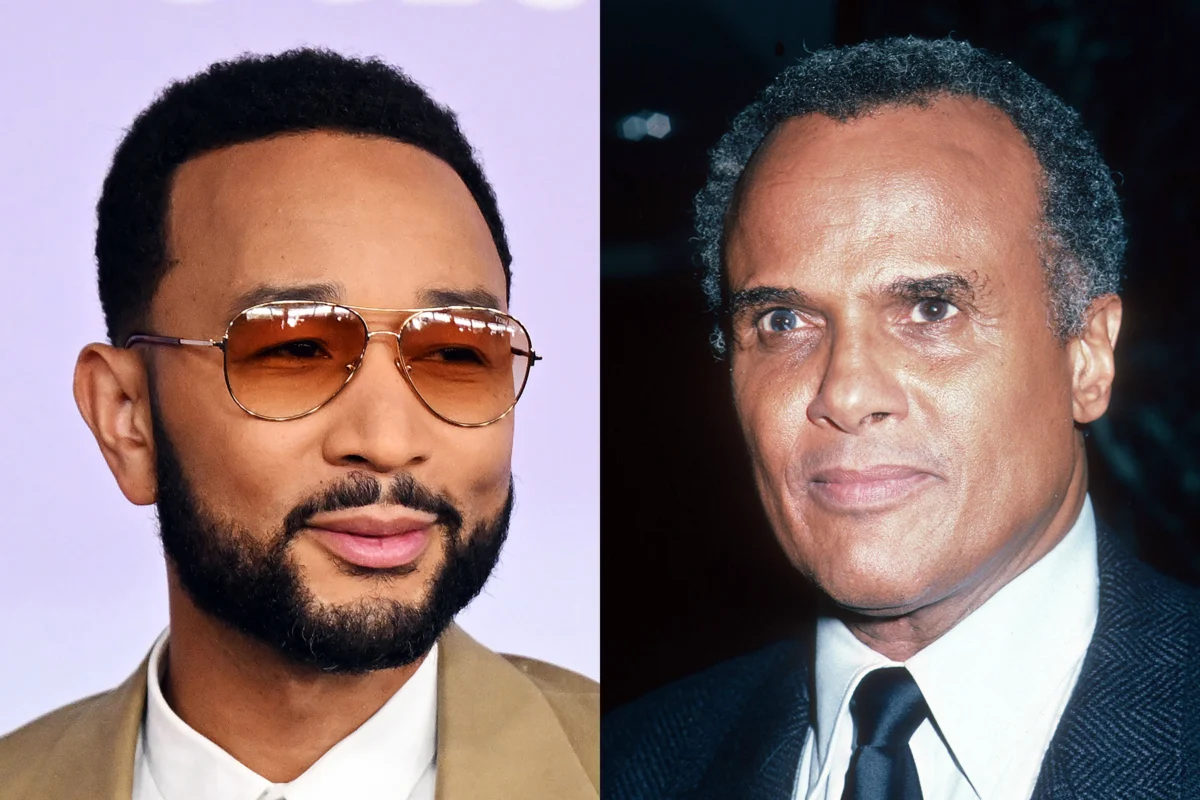
HangupsMusic.com –
The upcoming cinematic production, The Road Home, promises a compelling exploration of a pivotal moment in music and socio-political history, with multi-hyphenate artist John Legend set to portray the legendary Harry Belafonte. Directed by Bill Condon, known for his work on musical biopics and dramas, the film will chronicle Paul Simon’s controversial yet groundbreaking Graceland tour of South Africa during the Apartheid era, a journey undertaken with iconic musicians Hugh Masekela and Miriam "Mama Africa" Makeba. Production is currently underway, generating considerable anticipation for a story that intertwines artistic creation with profound ethical dilemmas.
John Legend, an EGOT winner with a distinguished career straddling music, acting, and activism, expressed deep reverence for the opportunity to embody Belafonte. In a heartfelt statement, Legend remarked on his personal connection to the late artist: "I was honored to know Mr. Belafonte as my friend, mentor, and collaborator in the struggle for justice. He was an incredible human being who lived a monumental, revolutionary life. He was the epitome of an artist and activist who set a standard for me and so many others who stand on his shoulders. I count it a privilege to be entrusted with the role of Harry Belafonte in this special film." Legend’s own unwavering commitment to social justice, his powerful vocal artistry, and his ability to command both stage and screen make him a particularly apt choice to bring Belafonte’s multifaceted persona to life. Belafonte, a towering figure in both entertainment and the Civil Rights Movement, consistently used his platform to advocate for human rights, mirroring Legend’s contemporary efforts in prison reform and racial equality.
The narrative spine of The Road Home revolves around the making and subsequent tour of Paul Simon’s seminal 1986 album, Graceland. Released amidst the global cultural boycott of Apartheid South Africa, the album sparked intense debate. Simon’s decision to record with South African musicians in their homeland, seemingly in defiance of the boycott, drew both fervent praise for its musical innovation and sharp criticism for its perceived political transgression. It was in this morally complex landscape that Harry Belafonte emerged as a crucial advisor to Simon. Given his unparalleled moral authority as a civil rights icon, a close confidante of Martin Luther King Jr., and a relentless anti-Apartheid advocate, Belafonte’s counsel was indispensable. He, along with music mogul Quincy Jones, encouraged Simon to proceed, but crucially, only with the explicit endorsement of the African National Congress (ANC). This approval was a critical factor in legitimizing Simon’s actions to many who viewed the cultural boycott as a non-negotiable weapon against the oppressive regime. Belafonte understood the delicate balance between cultural isolation and cultural exchange, recognizing the potential for music to bridge divides and highlight injustice, even in the most fraught circumstances.
The Graceland album itself was a groundbreaking fusion of Western pop sensibilities with the vibrant, rhythmic tapestry of South African music, including mbaqanga, maskanda, and isicathamiya. Simon collaborated with an array of extraordinary South African artists, most notably Ladysmith Black Mambazo, but also guitarists Ray Phiri and Bakithi Kumalo, and trumpeter Hugh Masekela, among others. The album was a commercial triumph and critically acclaimed, earning a Grammy Award for Album of the Year. However, the controversy persisted, with some anti-Apartheid activists viewing Simon as having undermined the boycott, while others argued he had shone an invaluable global spotlight on South African talent and the plight of its people. Miriam Makeba and Hugh Masekela, both prominent South African musicians living in exile due to their outspoken opposition to Apartheid, made the difficult decision to join Simon on the Graceland tour. Their participation, too, was met with mixed reactions, as they had long adhered to the boycott. Their reasoning stemmed from a belief that the tour offered an unprecedented platform to showcase their nation’s rich cultural heritage and human spirit to the world, thereby indirectly challenging the Apartheid government’s efforts to silence their voices.
Beyond the central trio, The Road Home features a distinguished ensemble cast bringing other key figures to life. Johnny Flynn, known for his roles in Emma. and Stardust, will portray Paul Simon, capturing the artist’s creative drive and intellectual curiosity. Thabo Rametsi, recognized for his work in The Publicist, steps into the shoes of the legendary trumpeter and activist Hugh Masekela. Cynthia Erivo, an Oscar-nominated and Tony-winning actress and singer (Harriet, The Color Purple), is set to embody Miriam Makeba, a role that demands both powerful vocal talent and a profound understanding of Makeba’s status as a global icon of resistance. Adding another layer of historical depth, Guy Pearce will portray Archbishop Trevor Huddleston, a formidable anti-Apartheid activist and Anglican priest who served as President of the Anti-Apartheid Movement. Huddleston was a staunch advocate for the cultural boycott and famously led a subsequent boycott against Simon, further underscoring the deep divisions and ethical complexities surrounding the Graceland project.
The creative engine behind The Road Home is equally impressive. Director Bill Condon brings a wealth of experience in character-driven narratives and musical productions, having helmed films like Dreamgirls and the acclaimed Gods and Monsters, for which he won an Oscar for Best Adapted Screenplay. The original script for The Road Home was penned by Michael Bronner, celebrated for his work on fact-based, politically charged dramas such as The Mauritanian and United 93. Bronner developed the story in collaboration with renowned South African writer Zakes Mda, a prolific novelist, playwright, and poet whose insights promise to imbue the narrative with authentic cultural and historical perspective. Notably, the project was initiated at the specific request of the Hugh Masekela Foundation, ensuring that the legacy and perspective of the late trumpeter are honored and accurately represented within the film’s narrative. This collaborative approach suggests a commitment to a nuanced and multi-dimensional portrayal of this complex period.
Harry Belafonte, whose immense life and legacy the film seeks to celebrate, passed away in April 2023 at the age of 96. His death prompted a global outpouring of tributes, reflecting his monumental impact across entertainment, activism, and humanitarianism. Dr. Irwin Redlener, a physician and activist who worked closely with Belafonte on various causes, shared a poignant remembrance for Rolling Stone, highlighting Belafonte’s unwavering dedication to social justice. Dr. Redlener recounted how, in 1987, he and his wife Karen, alongside Paul Simon, co-founded the Children’s Health Fund, an organization dedicated to providing healthcare programs for homeless and indigent children across the United States. Belafonte took a keen interest in the fund, attending a gala in 2016 where he was honored alongside David Dinkins and Morgan Freeman. At that event, Dr. Redlener recalled, Belafonte spoke with "extraordinary eloquence on the continued powerful, overwhelming presence of poverty and racism in America," demonstrating his lifelong commitment to addressing systemic inequities. His involvement in such initiatives, coupled with his pivotal role in organizing the "We Are the World" charity single, solidified his reputation as a conscientious artist whose artistry was inextricably linked to his activism.
The Road Home is poised to offer a nuanced cinematic exploration of the intricate relationship between art, politics, and morality. It promises to delve into the fraught decisions made by artists in the face of profound injustice, the power of music to transcend barriers, and the enduring legacy of those who dared to use their voices for change. As John Legend steps into the shoes of Harry Belafonte, the film stands as a testament to the courage of conviction, the complexities of cultural engagement, and the indelible impact of a generation of artists who believed in the transformative power of their craft to challenge oppression and inspire a better world.
