
 By admin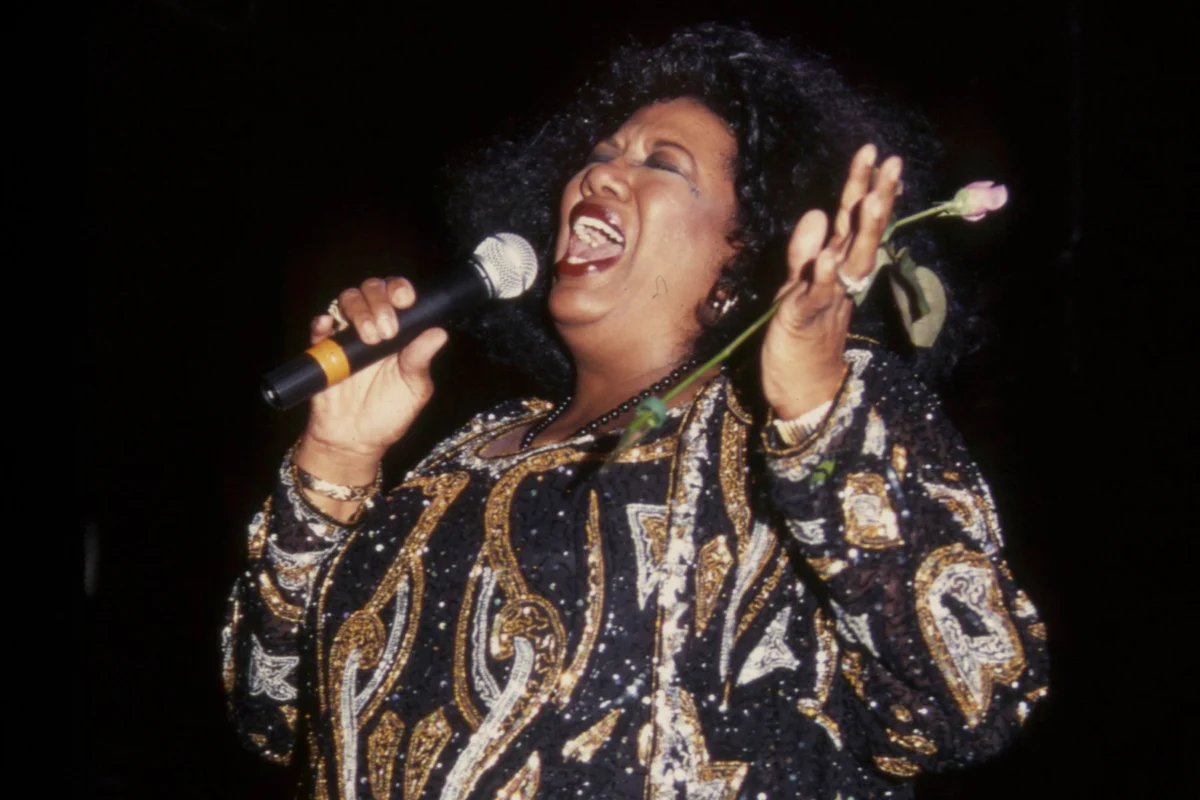
HangupsMusic.com – New York City, The music world mourns the passing of Arlene Smith, the captivating lead singer and a co-founder of the seminal 1950s girl group, The Chantels. Smith, whose powerful yet tender vocals graced one of rock and roll’s most enduring anthems, "Maybe," passed away at the age of 84. Her manager and close friend, Paul Errante, confirmed the news to the Associated Press, stating that the iconic singer succumbed to a heart attack on Wednesday, July 29, at a New York City hospital. Smith’s legacy is etched not only in the annals of music history as a gifted performer and songwriter but also as a trailblazer who helped dismantle racial and gender barriers in an era when Black female artists struggled for mainstream recognition.
Born on October 5, 1941, Arlene Smith’s journey into music began early in her life, rooted deeply in the Bronx, New York. She was a classically trained vocalist, a rarity for a young Black girl of her time, whose formative years were steeped in the disciplined world of musical theory and performance. This classical foundation would later become a distinctive element in The Chantels’ sound, setting them apart from many of their contemporaries. The group’s genesis was a testament to youthful camaraderie and shared passion, formed in the early 1950s by Smith and her school friends from St. Anthony of Padua: Sonia Gorin, Lois Harris, Jackie Landry, and Renée Minus. They were teenagers, ranging from 14 to 17, when their collective talent caught the attention of Richard Barrett, a prominent figure in the doo-wop scene and a member of The Valentines.
The Chantels’ unique vocal prowess wasn’t merely a stroke of luck; it was the result of years of dedicated practice. According to the Vocal Group Hall of Fame, the quintet had been harmonizing together for a remarkable seven years before their discovery. A crucial part of their rigorous training involved singing Gregorian chants, an exercise that honed their ability to navigate complex melodic shifts and seamlessly trade vocal parts. This discipline, combined with Smith’s innate talent for songwriting and her profound gospel background, created a sound that was both polished and raw with emotion. It was this potent blend that propelled them from local schoolyard performances to national prominence.
Smith’s songwriting talent bloomed early and profoundly. At just 16 years old, during one of her piano practices, she penned the lyrics to what would become the group’s most iconic song, "Maybe," reportedly inspired by a particular boyfriend. This ability to infuse simple, relatable sentiments with deep emotional resonance would become a hallmark of her contributions to The Chantels. Their entry into the professional music scene came in 1957 when they secured a recording contract with End Records, a label that would also become home to future legends like Little Anthony and the Imperials and The Miracles.

Their debut single, "He’s Gone," co-written by Smith and Barrett, offered a barbershop quartet-meets-soul lament that hinted at their potential. It made a respectable showing, climbing to No. 71 on the Billboard Top 100, a precursor to the Hot 100 singles chart. However, it was their follow-up, "Maybe," that truly catapulted them into the national spotlight. Despite being credited primarily to Richard Barrett, Smith’s crucial role in its conception, her co-writing input, and her unmistakable lead vocal performance made it quintessentially hers. The ballad, a poignant plea for a lost lover’s return, resonated deeply with audiences, soaring to No. 2 on the Most Played R&B by Jockeys chart and reaching No. 15 on the Billboard Top 100. It quickly cemented its place as one of the greatest girl group songs of all time, a testament to its raw vulnerability and Smith’s impassioned delivery.
The recording process for "Maybe" itself is legendary, highlighting Smith’s dedication and Barrett’s exacting standards. The track was reportedly cut in a makeshift studio within a church, and Smith recounted that Barrett pushed her to record the vocals more than 50 times to achieve the perfect balance of anguish and longing. This arduous process ultimately paid off, as "Maybe" went on to sell over a million copies, becoming a groundbreaking success for a Black girl group in the segregated 1950s. Its enduring appeal is evident in its numerous covers by diverse artists, including Janis Joplin, The Three Degrees, and even the Red Hot Chili Peppers, who performed it on their 2003 Live at Slane Castle video. Its critical acclaim continues to this day, with Rolling Stone placing "Maybe" at an impressive No. 199 on its 2023 list of the 500 greatest songs of all time.
The Chantels were not just hitmakers; they were pioneers. In an era dominated by male vocal groups and white pop acts, they shattered expectations, proving that Black female voices could not only achieve national chart success but also command immense artistic respect. Their fusion of doo-wop, soul, and R&B swing, coupled with their sophisticated harmonies, offered a fresh sound that challenged the prevailing norms. Smith’s own philosophy, as she articulated in the 2023 oral history But Will You Love Me Tomorrow?, was defiant: "My thing was, ‘The guys are not the only ones that can do this.’" This sentiment encapsulated the spirit of The Chantels and their contribution to opening doors for future generations of female artists.
Following the success of "Maybe," The Chantels released two more singles from their 1958 debut album, We Are the Chantels, that found chart success: "Every Night (I Pray)" reached No. 40 on the Billboard Hot 100, and the desperate "I Love You So" peaked at No. 42. However, their promising trajectory with End Records was abruptly halted in April 1959 when the label declared bankruptcy. This unfortunate turn of events led to Arlene Smith’s departure from the group to pursue a solo career, while The Chantels continued with a revolving lineup of vocalists.
Smith’s post-Chantels journey showcased her versatility and intellectual curiosity. She enrolled at the prestigious Juilliard School in New York, further honing her classical vocal skills. Her solo efforts included a brief but notable collaboration with legendary producer Phil Spector in 1961, resulting in the single "Love, Love, Love." While her solo career didn’t achieve the same commercial heights as her work with The Chantels, it reflected her unwavering commitment to music. In the 1970s, she briefly re-formed The Chantels with new singers Barbara Murray and Pauline Moore, demonstrating her enduring connection to the group’s legacy.

Ultimately, Smith chose a different path, one that emphasized nurturing young talent. She receded from the performance spotlight to pursue a master’s degree in education. For many years, she dedicated her life to teaching music at an elementary school in the Bronx, the very borough where her musical journey began. She retired from teaching in the 2000s, leaving behind a profound impact on countless young minds.
The Chantels’ immense influence was formally recognized in 2002 with their induction into the Vocal Group Hall of Fame. Despite their pioneering status, their groundbreaking chart success, and their undeniable impact on music history, The Chantels have faced a frustrating delay in receiving the ultimate rock and roll honor. They were nominated for the Rock and Roll Hall of Fame in both 2001 and 2009, making it to the final ballot but, to the dismay of many fans and critics, ultimately failing to secure induction.
Arlene Smith’s life was a symphony of talent, resilience, and unwavering dedication to her art. From the humble beginnings in a Bronx church choir to crafting one of the most beloved songs of the 20th century, she left an indelible mark. Her voice, both powerful and vulnerable, remains a testament to the enduring magic of early rock and roll and the transformative power of female artistry. Arlene Smith’s passing marks the end of an era, but her music, particularly the timeless plea of "Maybe," will continue to resonate, inspiring generations to come and reminding us of a true pioneer whose voice carved a path for so many.
