
 By Azzam Bilal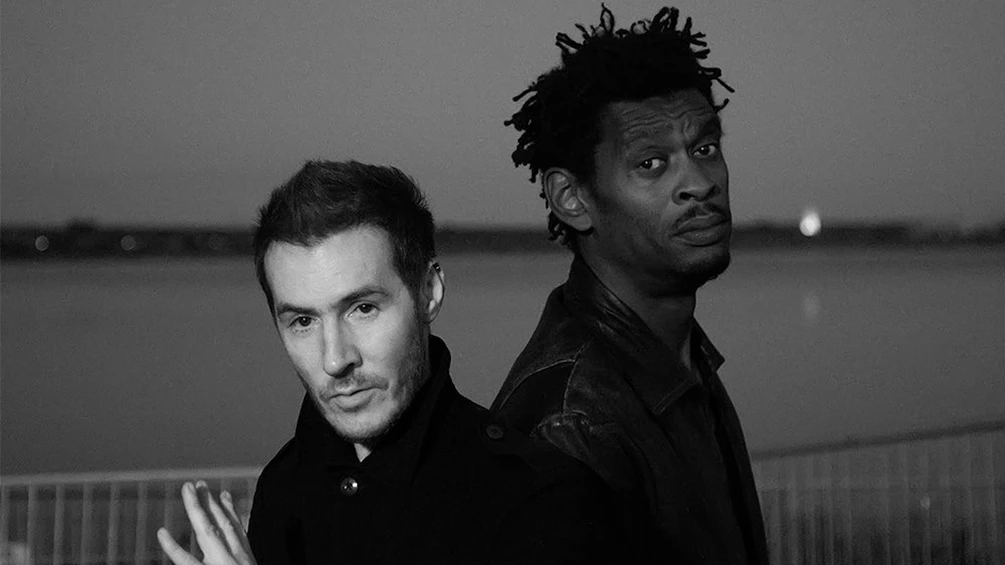
HangupsMusic.com – Singapore, The intersection of artistic expression and national sovereignty has reached a new flashpoint following a series of events involving the legendary Bristol collective Massive Attack. The trip-hop pioneers, known for their atmospheric soundscapes and uncompromising political stances, recently found themselves at the center of a diplomatic and legal storm in Singapore. The controversy, which resulted in the band being banned from the island nation and its members detained for questioning, highlights the growing tension between global celebrity activism and the strict internal security laws of Southeast Asian states.
The incident occurred during the band’s highly anticipated performance at Singapore’s State Theater. As the show reached its peak, Robert "3D" Del Naja and Grant "Daddy G" Marshall, the core architects of the group, made a move that resonated far beyond the concert hall. The band unfurled the Palestinian flag on stage, a gesture of solidarity that was met with vocal support from the audience. Reports from the venue indicated that the crowd engaged in rhythmic chants of “Free Palestine” both at the commencement and the conclusion of the set, turning a musical event into a significant political demonstration.
However, the immediate aftermath of the performance was far from celebratory for the musicians. In a detailed statement released via social media, Massive Attack described a harrowing post-show experience. Upon leaving the stage, the band members were intercepted by local authorities. According to the group, they were "detained by the police, isolated and separately questioned." The intensity of the investigation escalated quickly, with some members of the touring party subjected to searches of their hotel rooms and the temporary confiscation of their passports.
In their public reflection on the ordeal, the band remained defiant. They expressed a sense of pride in what they termed an "impromptu expression" shared with their Singaporean fans. The group suggested that the audience felt a "moral imperative" to stand in solidarity with the Palestinian people, citing concerns over "illegal occupation, apartheid & genocide." The band’s statement also took a broader aim at the global political landscape, noting that the perceived "inaction of the international community" is increasingly forcing private citizens to take personal risks to highlight human rights issues.
The reaction from the Singaporean government was swift and rooted in the country’s rigorous legal framework. Singapore is well-known for its stringent regulations regarding public speech, assembly, and the display of foreign symbols. Under the Foreign National Emblems (Control of Display) Act, the public display of any foreign flag or national emblem is strictly prohibited without a specific government permit. Furthermore, the Public Order Act regulates any assembly that could be construed as political or as a threat to the nation’s carefully maintained social fabric.
On the Saturday following the concert, a joint statement was issued by the Singapore Police Force and the Infocomm Media Development Authority (IMDA). The authorities confirmed that Robert Del Naja and Grant Marshall had been the subjects of a formal investigation. The probe focused on their "actions of support for a political cause and the unfurling of a foreign flag." The statement emphasized that the police "take a serious view of acts which could potentially harm the racial and religious harmony in Singapore." They issued a stern warning to both locals and foreigners to refrain from "importing foreign politics," arguing that such actions can undermine social cohesion and the rule of law within the city-state.
The band, however, challenged the logic of their detention. In their statement, they pointed out that the Palestinian flag represents a sovereign state recognized by 157 countries. "For our part, we did not imagine that merely holding up the flag… would violate any law," they noted. They described the experience in Singapore as "surreal," viewing it as a stark reminder of the global challenges facing freedom of expression. Interestingly, the band linked their experience in Singapore to the domestic situation in their home country, the United Kingdom. They criticized the UK government for the arrest of peaceful protesters under terrorism laws, specifically those holding handwritten signs protesting the conflict in Gaza.
This incident is not an isolated event in Massive Attack’s long history of activism. The band has been a consistent voice for Palestinian rights for decades. Most recently, they joined a coalition of hundreds of high-profile artists in signing an open letter to UK Prime Minister Keir Starmer. The letter urged the British government to end its "complicity in Gaza horrors" and called for a more robust diplomatic stance against the ongoing military actions in the region.
Furthermore, Robert Del Naja’s personal commitment to the cause has led to legal friction in the UK as well. In April of this year, Del Naja was among 523 individuals arrested during a Palestine Action protest in London’s Trafalgar Square. That same month, the band was part of a high-profile cultural boycott, joining figures like Brian Eno and artists such as Erika de Casier and salute in calling for a boycott of the Eurovision Song Contest due to Israel’s participation.
The situation in Singapore serves as a microcosm of a larger global debate regarding the role of the artist in times of geopolitical crisis. For Massive Attack, the stage is not merely a platform for entertainment but a space for moral and political messaging. Their music has often touched on themes of surveillance, state power, and social injustice, making their real-world activism a natural extension of their discography.
For the Singaporean authorities, however, the priority remains the maintenance of "multiracialism" and "multireligiosity," a policy that has been the cornerstone of the nation’s stability since its independence in 1965. The government argues that allowing foreign political grievances to play out on Singaporean soil could lead to domestic unrest among its diverse population. This "neutrality by law" approach often clashes with the "universalism" advocated by international human rights groups and activist artists.
The "stern warnings" issued to Del Naja and Marshall likely mean that the band will face significant hurdles—or an outright ban—should they attempt to perform in Singapore again in the near future. This adds Singapore to a list of territories where the band’s political outspokenness has led to restricted access or heightened scrutiny.
As the music industry continues to grapple with the fallout of the conflict in the Middle East, the Massive Attack incident highlights the physical and legal risks that artists face when taking their message on the road. While digital platforms allow for the global dissemination of political views, the physical act of performing remains subject to the specific, and often rigid, laws of the host nation.
The band concluded their statement by saluting the "courage" of their fans in Singapore. They framed the event not as a violation of local law, but as a necessary defense of universal human rights. As the debate over Gaza continues to polarize global opinion, Massive Attack has once again proven that they are unwilling to separate their art from their ethics, regardless of the geographic or legal consequences. The "Bristol sound" may have defined a generation of music, but it is the band’s persistent political noise that continues to reverberate in the halls of power, from London to the State Theater of Singapore.
