
 By admin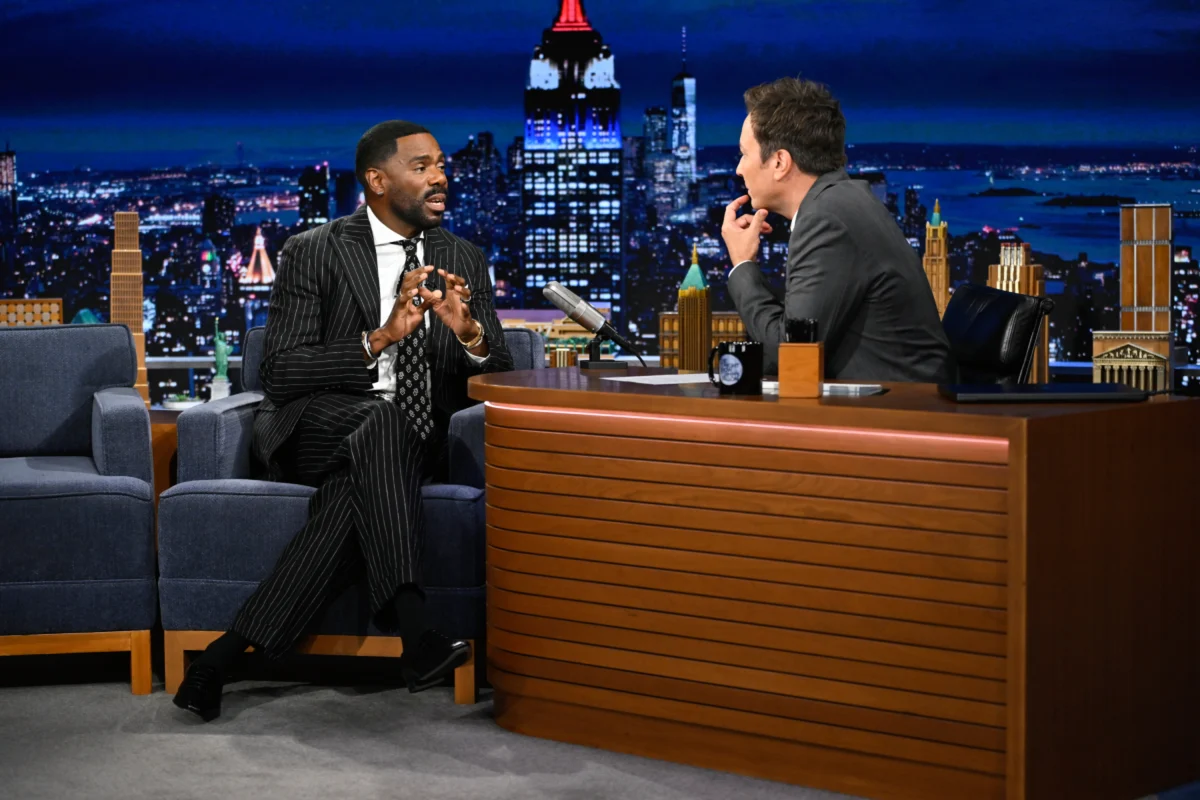
HangupsMusic.com – Los Angeles, The landscape of contemporary television has been profoundly shaped by narratives that dare to delve into the raw, often uncomfortable realities of human experience. Among these, HBO’s critically acclaimed drama Euphoria stands out, not just for its audacious visual style and unflinching portrayal of adolescence, but for its complex characters, none more pivotal or deeply resonant than Ali Muhammad, brought to life with extraordinary nuance by the esteemed actor Colman Domingo. Domingo recently reflected on this pivotal role during an appearance on The Tonight Show Starring Jimmy Fallon, articulating the profound impact his involvement with the series has had on his career and personal artistic journey.
For Domingo, embodying Ali Muhammad transcended a mere acting assignment; it was, in his own words, "the experience of a lifetime." Ali, a recovering drug addict who serves as a sponsor and mentor to the show’s protagonist, Rue Bennett (played by Zendaya), emerged as a vital anchor in a series often characterized by its volatile emotional highs and devastating lows. Domingo conveyed to host Jimmy Fallon the immense significance of his character, stating, "Sam Levinson gave me one of the most critical roles of my entire career. Someone who really is the voice and the conscience of a show. He can hold up the mirror to someone else. He gave me the arc of a lifetime, really."
This assertion speaks volumes about the depth and gravitas Domingo brought to Ali. In a narrative frequently consumed by the chaotic and often self-destructive behaviors of its young ensemble, Ali represents a beacon of hard-won sobriety, wisdom, and unvarnished truth. He is not merely a supportive figure but a moral compass, unafraid to confront Rue with the harsh realities of her addiction while simultaneously offering her an unwavering, if tough, form of love and guidance. His presence grounds the often-surreal aesthetic of Euphoria, providing moments of profound human connection and ethical reflection that resonate deeply with viewers.
The character’s narrative trajectory, particularly as the series progressed, allowed Domingo to explore a rich tapestry of human emotion. He highlighted a "redemption arc" and even a "vengeance arc," particularly in Ali’s tireless efforts to advocate for Rue’s well-being. This duality allowed Domingo to deliver what he described as "real emotionally complex work." Ali’s journey is not linear; he grapples with his own past, his faith, and the immense challenges of supporting someone navigating the treacherous waters of addiction. These internal and external conflicts offered Domingo a fertile ground for performance, demanding a vulnerability and strength that few roles permit.
A cornerstone of Ali’s impact lies in his scenes with Zendaya’s Rue. Their dynamic is the beating heart of much of the show’s emotional weight, showcasing an authentic, often challenging, mentor-mentee relationship. Domingo fondly recalled their collaboration, noting, "my scene partner most of the time is Zendaya and we love volleying off each other." This collaborative spirit is evident in their shared screen time, which often features lengthy, intense dialogues that feel more akin to a two-person play than typical television scenes. Their chemistry is palpable, building a foundation of trust and mutual respect that allows both actors to delve into raw, unfiltered emotional territory. These scenes, often set in mundane locations like a diner, become profound stages for philosophical debate, painful confessions, and desperate pleas for understanding, making them some of the most memorable and critically lauded moments in the series.
Colman Domingo’s acclaimed work on Euphoria did not go unnoticed by the industry. In 2022, he received an Emmy Award for Outstanding Guest Actor in a Drama Series for his indelible portrayal of Ali. This recognition underscored the immense impact of his performance, particularly given the limited screen time often associated with guest roles. His ability to craft such a memorable and influential character with precision and heart, even within a sprawling ensemble, cemented his status as a formidable talent. Furthermore, Domingo’s exceptional range continues to be celebrated, earning him additional nominations, including one for Outstanding Supporting Actor in a Comedy Series for his work in The Four Seasons, showcasing his versatility across genres.
Speaking to Fallon, Domingo expressed his gratitude for this widespread acknowledgment: "It’s been fantastic to be acknowledged in such extraordinary ways with these Emmy nominations or with these very diverse performances. It’s anything an actor would ever want. You wish you could be seen as many different things." This sentiment perfectly encapsulates Domingo’s career, which has been marked by a consistent pursuit of challenging and varied roles across film, television, and theater. From his Tony Award-nominated performance in The Scottsboro Boys on Broadway to his compelling turns in films like Selma and If Beale Street Could Talk, Domingo has consistently demonstrated a profound ability to inhabit characters with complexity and authenticity, making his Euphoria triumph a natural progression of an already illustrious career.
Euphoria, helmed by creator Sam Levinson, has consistently pushed boundaries, exploring themes of addiction, mental health, identity, and sexuality with an unflinching gaze. While the series has garnered both fervent praise and occasional controversy for its provocative content, its critical success largely stems from its commitment to telling honest, albeit often dark, stories. Levinson’s artistic vision, which provided Domingo with such a compelling character, has always aimed for a raw authenticity.
Regarding the future of the series and the ultimate fate of its characters, particularly Rue, Levinson has previously offered insights into his creative intentions. In past interviews, Levinson discussed the thematic direction for the story, stating that an "honest ending" often means that "people like Rue don’t make it." He clarified that his aim was "to tell an honest story about addiction. I also wanted to tell a story about grief and the emotional turmoil that it can create." These statements underscore the show’s commitment to portraying the grim realities associated with drug dependency, rather than offering overly saccharine resolutions. While specific plot points for a future season remain tightly under wraps and Season 3 has yet to air, Levinson’s comments suggest a profound, and potentially tragic, artistic conclusion for the narrative arc he began. He further emphasized in an interview with The New York Times that for "the story that we set out to tell, which is a story about addiction and its consequences, this feels like the end to me," indicating a clear thematic closure he envisions for the series’ overarching message.
Colman Domingo’s performance as Ali Muhammad will undoubtedly remain a cornerstone of Euphoria‘s legacy. He brought an essential humanity and moral fortitude to a world often teetering on the brink of despair. His character served not only as Rue’s lifeline but also as a conduit for the audience to grapple with the show’s difficult themes, offering moments of clarity and hope amidst the chaos. Domingo’s commitment to portraying Ali with such depth has not only enriched Euphoria but has also reaffirmed his status as one of the most compelling and versatile actors working today, capable of transforming a supporting role into an unforgettable, critically lauded "arc of a lifetime."
