
 By Rose Miami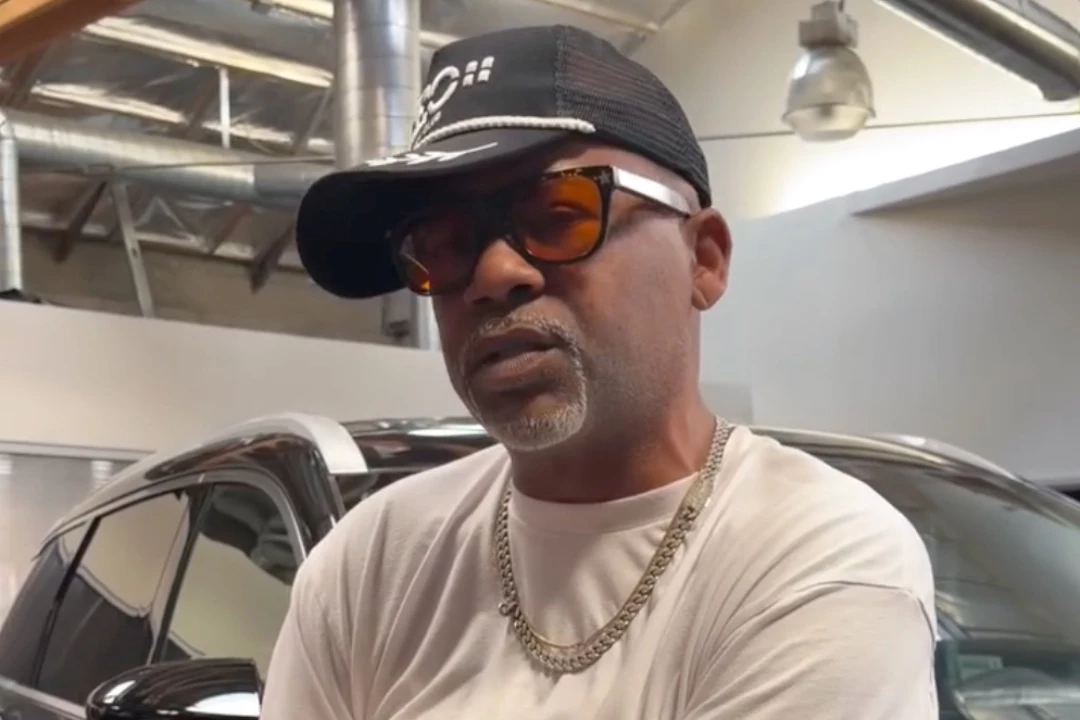
HangupsMusic.com – The often turbulent financial landscape of hip-hop mogul Damon Dash has once again become a focal point of public discussion, drawing the ire of the artist himself. Dash has publicly expressed his frustration with the prominent radio show The Breakfast Club, specifically targeting reporter Loren Lorosa for what he perceives as a consistent focus on his financial difficulties while neglecting to highlight his positive endeavors. The latest wave of attention stems from a report detailing a legal maneuver to potentially sell Dash’s "life rights" to satisfy outstanding debts, a situation that has ignited Dash’s defense mechanism.
The report, which surfaced on Thursday, August 6, outlined a filing by a trustee overseeing Dash’s bankruptcy proceedings. This trustee is reportedly seeking court permission to auction off Dash’s "life rights." This broad category encompasses the entirety of his personal narrative, including his voice, image, likeness, biographical details, and any identifying characteristics. Crucially, it would also grant the buyer the right to portray all incidents, events, and situations from Dash’s life, from his formative years through the present date of the bankruptcy petition. This potential sale represents a significant intrusion into an individual’s personal and professional identity, aiming to monetize aspects that are deeply personal and often considered inalienable.
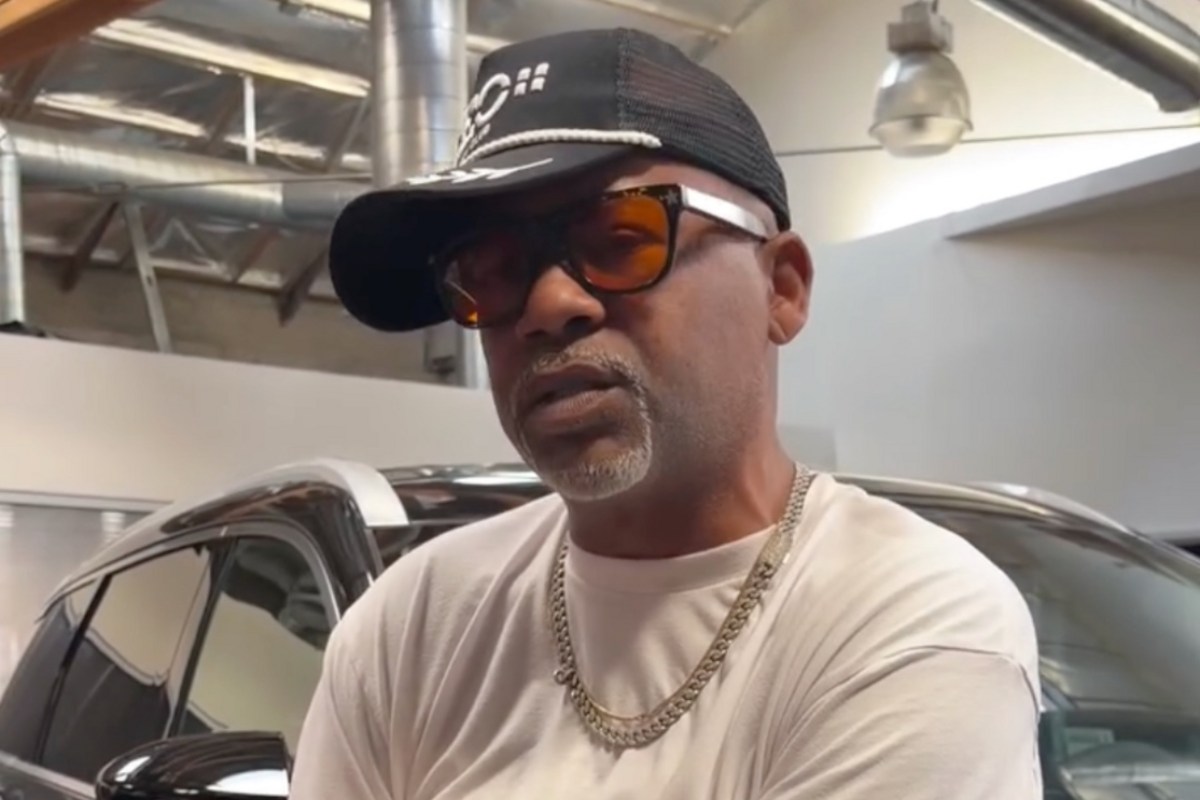
Upon learning of this report and its dissemination through The Breakfast Club, Dash, who has a well-documented history of contentious interactions with the popular morning show, took to social media to voice his grievances. In a video addressed directly to the show’s hosts and its reporting, Dash articulated his feelings of being unfairly targeted. "I just feel like you guys make it too obvious," he stated, implying a deliberate pattern of negative coverage. He questioned the selective nature of their reporting, asking, "Why don’t you ever talk about any of the good stuff? Are you guys trying to line me up? Are you guys trying to amplify a narrative?"
Dash’s critique extended to Loren Lorosa, the reporter named in the article, whom he directly addressed: "Why are you the voice of everything bad and nothing good, Loren?" He further elaborated on his perception of the show’s narrative framing, describing it as akin to a "case study on stupidity, or alleged Devil worship." Despite the intense scrutiny and his strong emotional reaction, Dash concluded his statement with a declaration of resilience and continued ambition, asserting, "Either way, I’m hustling." He then pivoted to promote his BET show, OG Stories, in an effort to redirect the narrative toward his ongoing professional projects.
The following day, August 7, Loren Lorosa responded to Dash’s public accusations. She maintained that her reporting was driven by professional journalistic integrity and a commitment to informing her audience about news of public interest. Lorosa asserted that she harbors no personal animosity towards Dash and that her role was simply to report on a developing story that had surfaced within the legal and financial sphere surrounding him. She emphasized that the story was a matter of public record and, therefore, newsworthy.
The situation highlights a recurring theme in the public lives of high-profile individuals, particularly within the entertainment industry. Financial struggles, legal battles, and personal controversies often become fodder for media attention, sometimes overshadowing an individual’s creative output or positive contributions. Dash’s reaction underscores a desire for a more balanced portrayal, where successes and ongoing ventures are given equal or greater weight than setbacks. His complaint suggests a feeling of being perpetually under a microscope for his financial missteps, while his entrepreneurial spirit and creative endeavors, such as his BET show, are overlooked.
The concept of "life rights" itself is a complex legal construct, often employed in situations where an individual’s story holds significant commercial value. These rights can be leveraged to create biographical films, documentaries, or other media productions, allowing for the exploitation of a person’s life experiences for profit. In the context of bankruptcy, such rights can be seen as an asset that can be liquidated to repay creditors. However, the idea of an individual’s entire life story, including their personal essence, being put up for sale raises profound ethical questions about ownership, privacy, and the commodification of human experience.
Dash’s history is rich with entrepreneurial ventures, most notably his co-founding of Roc-A-Fella Records alongside Jay-Z and Kareem "Biggs" Burke. This era was marked by immense success and influence in the music industry, shaping the landscape of hip-hop for years to come. However, subsequent years have seen Dash navigate a more challenging financial and legal terrain, with various lawsuits and bankruptcy filings becoming public knowledge. This duality—a legacy of groundbreaking success juxtaposed with ongoing financial difficulties—is precisely the kind of complex narrative that Dash feels is being reduced to a one-dimensional portrayal of failure by certain media outlets.
The exchange between Damon Dash and The Breakfast Club serves as a microcosm of the broader media-celebrity dynamic. While media outlets have a responsibility to report on matters of public interest, including financial and legal issues, the manner and focus of that reporting can significantly impact public perception. Dash’s plea for balanced coverage, advocating for the acknowledgment of his positive contributions alongside his struggles, is a call for a more nuanced and comprehensive representation of his life and career. As he continues to pursue new projects, the hope for a more equitable media narrative remains a central concern for the veteran mogul. His current endeavors, including his television show, represent his ongoing commitment to creating and contributing to the entertainment world, a facet he wishes to see more prominently featured in the public discourse.
