
 By Rose Miami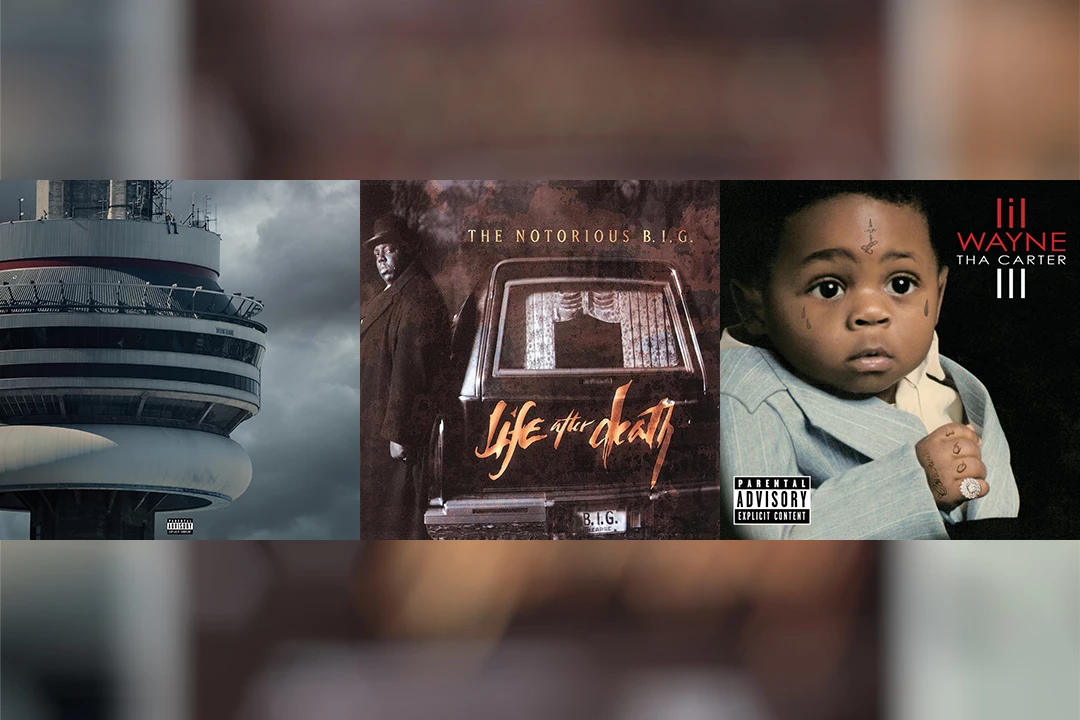
HangupsMusic.com – Since the foundational beats of DJ Kool Herc, the intricate scratching of Grandmaster Flash, and the pioneering rhymes of Kurtis Blow first echoed through the Bronx, hip-hop has evolved from a vibrant subculture into a global musical force. While critical acclaim, lyrical prowess, and innovative production are undeniable hallmarks of a great hip-hop album, the enduring metric of commercial success—measured in units sold—serves as a powerful testament to an artist’s reach and the genre’s burgeoning popularity over the past five decades. Sales figures, while not the sole determinant of artistic merit, paint a vivid picture of hip-hop’s journey from the underground to the mainstream, reflecting its growing influence and widespread appeal.
The Recording Industry Association of America (RIAA) meticulously tracks these achievements, bestowing its highest honor, Diamond certification, upon albums that have sold over ten million units. This elite echelon is a rare space, occupied by a select group of albums that have transcended the typical boundaries of music consumption. Among these hallowed releases are landmark projects that have indelibly shaped the hip-hop landscape. The Notorious B.I.G.’s Life After Death, a sprawling double-disc epic from the incomparable Brooklyn wordsmith, stands as a monumental achievement, its enduring impact solidified by its commercial triumph. Similarly, Tupac Shakur’s All Eyez on Me, a groundbreaking double-disc collection that was the first of its kind in hip-hop, cemented its legendary status through both its artistic vision and its massive sales.
Beyond the ten-million-unit threshold, some artists have achieved even more extraordinary commercial feats. OutKast’s ambitious and genre-bending double album, Speakerboxxx/The Love Below, a masterful fusion of hip-hop with funk, soul, and rock, has achieved multi-diamond status, showcasing the duo’s unparalleled creativity and broad appeal. Eminem, a titan of modern hip-hop, has also reached these stratospheric sales heights with albums like The Eminem Show, a critical and commercial juggernaut that further solidified his position as one of music’s biggest stars. However, the narrative of hip-hop’s commercial success is not solely defined by these pinnacle achievements. A multitude of multiplatinum albums, those selling millions but falling short of the diamond mark, also represent significant milestones and deserve recognition for their substantial impact. 50 Cent’s electrifying debut, Get Rich or Die Tryin’, a raw and uncompromising collection that introduced a new force to the rap game, is a prime example of such a project, earning critical acclaim and widespread commercial success that propelled him to superstardom.
In the current digital era, where music consumption has been fundamentally altered by streaming services and digital downloads, the traditional measure of album sales can sometimes present a more complex picture. While the sheer volume of music released daily by artists is staggering, only a select few manage to ascend to the highest echelons of commercial success. The following compilation, meticulously compiled using RIAA data for U.S. sales, aims to highlight the twenty-five best-selling hip-hop albums of all time, offering a compelling overview of the genre’s enduring commercial power and its evolution through the decades. This list, while focused on quantifiable sales, serves as a gateway to understanding the broader cultural impact and enduring legacy of these iconic bodies of work.
The journey through hip-hop’s commercial peaks reveals a diverse tapestry of artists and eras. From the gritty realism of early street anthems to the polished, stadium-filling anthems of later years, these albums represent the sonic evolution and artistic innovation that have captivated millions. The ability of these projects to resonate with such a vast audience speaks to their universal themes, compelling narratives, and infectious beats. They are not merely collections of songs, but cultural artifacts that have soundtracked lives, influenced fashion, and shaped conversations for generations.
For instance, the enduring appeal of Dr. Dre’s The Chronic cannot be overstated. This seminal album, released in 1992, not only introduced the world to the G-funk sound but also launched the careers of several influential artists. Its innovative production and laid-back yet potent lyrical delivery made it a commercial juggernaut and a critical darling, solidifying its place among the all-time greats. Similarly, Jay-Z’s The Blueprint, a masterclass in lyrical dexterity and thematic coherence, showcased the mogul’s artistic maturity and cemented his status as one of the genre’s most consistent hitmakers. Its commercial success was a testament to his ability to connect with a diverse audience.
The influence of the Wu-Tang Clan is another critical component of hip-hop’s commercial history. While their debut album, Enter the Wu-Tang (36 Chambers), was a raw and critically acclaimed masterpiece, it was the subsequent solo projects and group efforts that further amplified their commercial reach. Albums like Wu-Tang Forever, a sprawling double-disc epic, demonstrated the group’s sustained popularity and their ability to deliver projects that resonated with millions.
Furthermore, the impact of Southern hip-hop on the commercial landscape is undeniable. Artists like Lil Wayne, with his prolific output and charismatic delivery, have achieved remarkable commercial success. Albums such as Tha Carter III became cultural phenomena, showcasing his evolution as an artist and his ability to craft infectious hits that dominated the charts. The Cash Money Records empire, which Lil Wayne helped to build, stands as a testament to the commercial viability and widespread appeal of Southern hip-hop.
The narrative of hip-hop’s commercial success is also interwoven with the rise of powerful record labels and influential producers. Labels like Def Jam, Bad Boy Records, and Roc-A-Fella have been instrumental in launching and sustaining the careers of many of the artists featured on this list. Producers such as Timbaland, Pharrell Williams, and Kanye West have not only crafted the sonic backdrops for countless hits but have also become artists in their own right, further blurring the lines between production and performance.
While this list focuses on the commercial giants, it is important to acknowledge that the definition of "best-selling" can be interpreted in various ways. In the digital age, the concept of album sales has evolved to include streaming equivalents, making direct comparisons across different eras more complex. However, the RIAA’s certifications provide a consistent and widely recognized standard for measuring commercial success. These numbers, when viewed in aggregate, offer a compelling narrative of hip-hop’s enduring power and its ability to consistently capture the attention and loyalty of a global audience. The albums that grace this list are more than just records; they are cultural touchstones that have defined eras, inspired movements, and left an indelible mark on the history of music.
