
 By Azzam Bilal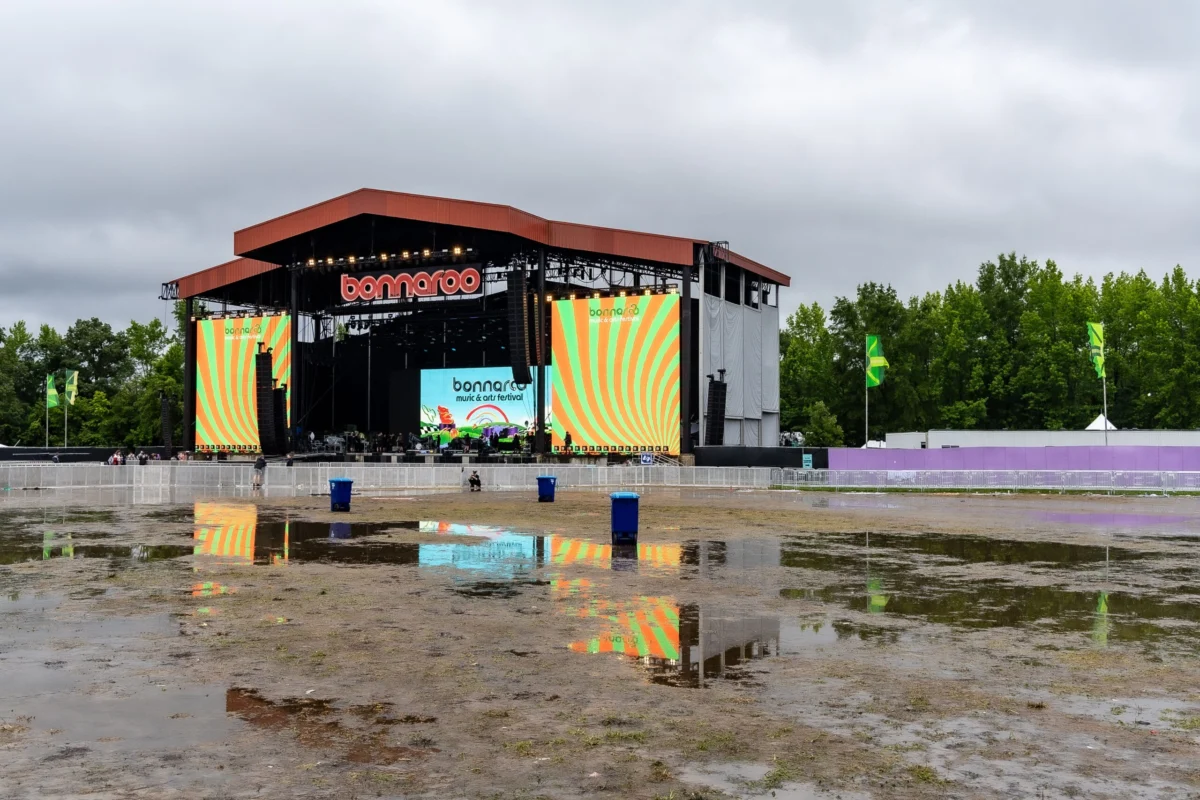
HangupsMusic.com – Manchester, Tennessee, is set to experience a quiet summer in 2027 as one of the cornerstone events of the American music calendar takes a strategic step back. Organizers of the Bonnaroo Music & Arts Festival have officially confirmed that the event will skip its 2027 iteration, citing a pressing need to allow its iconic venue, known affectionately as "The Farm," a period of deep ecological recovery. This decision comes in the wake of successive years of punishing weather patterns that have tested the limits of the site’s infrastructure and the endurance of its attendees.
The announcement, which was delivered via a heartfelt communiqué on the festival’s official digital platforms, marks a rare pause in the history of the Manchester staple. Since its inception in 2002, Bonnaroo has grown from a niche jam-band gathering into a global cultural phenomenon, drawing upwards of 80,000 "Bonnaroovians" annually to the rural landscape of Coffee County. However, the very elements that make the festival unique—its sprawling outdoor setting and immersive camping culture—have recently become its greatest vulnerabilities.
The 2026 edition of the festival served as the primary catalyst for this sabbatical. While the weekend began with the high energy and communal spirit characteristic of the event, the elements eventually took a toll. Severe weather systems, including heavy rainfall and thunderstorms, forced organizers to implement rigorous safety protocols. This included the temporary evacuation of certain areas, significant delays in the performance schedule, and the heartbreaking cancellation of several highly anticipated sets. For many attendees, the experience was defined by periods of "sheltering in place" as the Tennessee sky unleashed torrential downpours that transformed the pristine campgrounds into a logistical challenge of mud and standing water.
Despite the disruptions, the festival team was quick to point out that the 2026 event could have been much worse had they not invested heavily in site improvements beforehand. In the months leading up to the most recent festival, millions of dollars were funneled into "The Farm" to bolster its resilience. These upgrades included the installation of 4.5 miles of new, heavy-duty roadways designed to handle the weight of production trucks and emergency vehicles even in wet conditions. Furthermore, a sophisticated drainage system was integrated into the most flood-prone areas of Centeroo, the festival’s central hub. Perhaps most impressively, the team laid down 135 acres of specialized new grass, intended to provide a durable carpet for the thousands of dancing feet that traverse the grounds.
Yet, as the statement from the Bonnaroo team acknowledged, even the most advanced engineering can only do so much against the persistent forces of nature. The "back-to-back years of storms" have prevented the soil from properly draining and the vegetation from establishing the deep root systems necessary for long-term stability. By opting to skip 2027, the festival is essentially implementing a "fallow year," a concept borrowed from agriculture and famously utilized by the Glastonbury Festival in the United Kingdom. This period of rest is intended to allow the ground to decompress, the drainage systems to be refined without the pressure of an impending deadline, and the natural ecosystem of the site to regenerate.
The decision to pause operations is never an easy one for a major festival, particularly given the complex economic web that surrounds such an event. Bonnaroo is a significant economic engine for the Manchester area and the broader Middle Tennessee region. Local businesses, from gas stations and hotels to equipment rental companies, rely on the annual influx of visitors. Furthermore, the Bonnaroo Works Fund—the festival’s charitable arm—contributes hundreds of thousands of dollars to local non-profits and community projects each year. A year without the festival represents a significant shift in the local fiscal landscape, yet the consensus among organizers is that a short-term loss is necessary to ensure the long-term viability of the venue.

From a broader industry perspective, Bonnaroo’s hiatus highlights a growing trend of "climate-conscious" event management. As extreme weather events become more frequent and unpredictable, outdoor festivals are being forced to rethink their relationship with the land. The logistical nightmare of managing 80,000 people in a lightning storm or a flood is a liability that many promoters are no longer willing to gamble on without adequate safeguards. By taking 2027 off, Bonnaroo is positioning itself as a leader in sustainable event production, prioritizing the health of its physical location over immediate profit.
The history of Bonnaroo has been one of resilience. The festival previously faced unprecedented challenges during the early 2020s, including the global pandemic and the devastating impact of Hurricane Ida in 2021, which forced a last-minute cancellation just days before the gates were set to open. Each time, the festival has returned with renewed vigor and a deeper commitment to the safety and experience of its patrons. The 2028 return is already being framed not just as a comeback, but as an evolution. Organizers have hinted that the extra time will be used to dream up new ways to enhance the "Radiate Positivity" ethos that defines the Bonnaroo experience.
For the loyal fanbase, the news of a year off is met with a mix of disappointment and understanding. The "Bonnaroo Family" is a tight-knit community that views the annual pilgrimage to Manchester as a spiritual reset. Social media threads are already buzzing with fans sharing their favorite memories of the 2026 event—the muddy dance parties, the late-night sets in Where in the Woods, and the shared camaraderie of braving the storms together. While the absence of a 2027 lineup will leave a void in the summer touring circuit, many fans have expressed support for the decision, recognizing that "The Farm" is the heart of the festival and deserves to be treated with respect.
As the music industry looks toward the 2028 return, there is much speculation about what a "better" Bonnaroo might look like. The hiatus offers a rare opportunity for a total "re-set" of the festival’s footprint. This could include further permanent stage structures, more robust weather-monitoring technology, and perhaps even more sustainable camping options that minimize the impact on the land. The goal is to create a venue that is not just a temporary city, but a permanent, resilient sanctuary for the arts.
In their closing remarks, the Bonnaroo team urged their community to take the spirit of the festival home with them. "We hope you’ll continue radiating positivity in your community throughout the year," the statement read, emphasizing that the "Bonnaroo state of mind" is not dependent on a specific date or location.
As the sun sets over the empty fields of Manchester this coming June, the silence will be a testament to the festival’s commitment to its home. The 2027 gap year is a bold acknowledgment that in the battle between human ambition and the natural world, sometimes the most productive thing to do is to simply step back and listen. When the gates finally swing open again in 2028, the grass will be greener, the ground will be firmer, and the "Bonnaroo Family" will likely find that the wait was well worth it. The return will not just be a celebration of music, but a celebration of the land that makes it all possible.
