
 By admin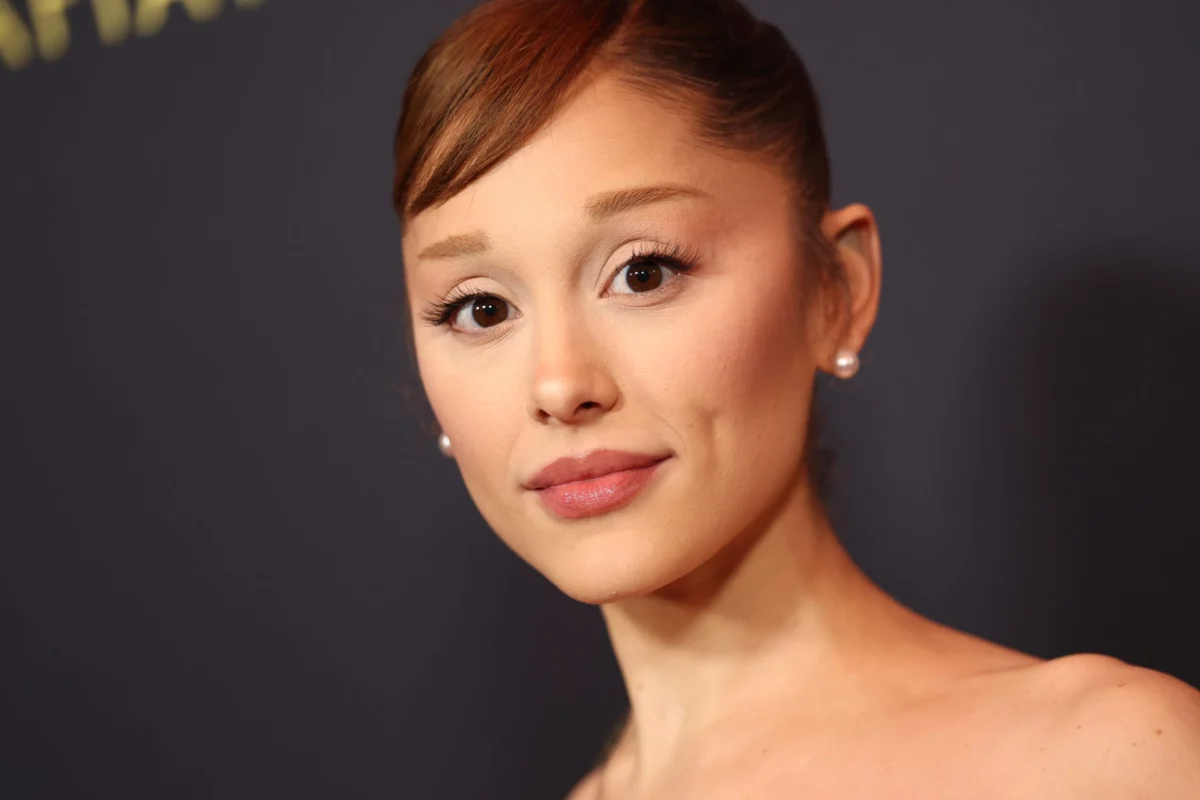
HangupsMusic.com – Los Angeles, California – Global pop icon Ariana Grande has once again found herself at the center of a contentious intersection between music and politics, vehemently condemning the unauthorized use of her hit songs by a prominent political administration for campaign promotion. The Grammy-winning artist’s latest public rebuke comes after a social media post, widely attributed to the former president’s campaign, co-opted her chart-topping track, "We Can’t Be Friends (Wait for Your Love)," igniting a fresh debate over artists’ rights and political messaging.
The incident unfolded on Thursday, August 20, 2026, when the "Team Trump" account on TikTok disseminated a video clip featuring the former president. The visual content, depicting the political figure striding confidently toward a podium at a public speaking engagement, was jarringly soundtracked by Grande’s introspective 2024 smash from her critically acclaimed album, Eternal Sunshine. The accompanying caption further exacerbated the controversy, directly quoting a poignant lyric from the song – "Me and my truth we sit in silence" – before pivoting abruptly to a highly charged political statement: "Men can’t have babies and should never compete in women’s sports." The post concluded with a defiant declaration, "This shouldn’t be controversial! #trump #arianagrande #maga," attempting to align the pop star’s brand with a deeply divisive political stance.
Grande, known for her candidness on social media, wasted no time in responding directly to the campaign’s post. Her terse but unequivocal comment, "Never use my music again. Also, your truth is false," served as an immediate and potent rejection of the political appropriation. The pop star’s legion of devoted fans, affectionately known as "Arianators," quickly rallied to her defense, inundating the comment section with messages of support and outrage. Many fans expressed frustration, with one popular comment echoing the collective sentiment: "Does Ariana know he’s using her song AGAIN?" – highlighting a recurring pattern of unauthorized music usage.
This latest skirmish is far from an isolated incident in the ongoing saga between Grande and the political administration. Just two months prior, in June 2026, the artist publicly lambasted the former president’s team for deploying her 2024 track, "Bye," in a TikTok clip posted by U.S. Immigration and Customs Enforcement (ICE). That particular video, intended to promote the agency’s activities, drew Grande’s ire for its association with what she described as "barbaric, inhumane, heinous nonsense." Her response then was equally forceful, stating, "Please do not ever use my music in relation to this barbaric, inhumane, heinous nonsense. F–– ICE," a clear indication of her unwavering opposition to the agency’s policies and practices.
Ariana Grande’s consistent stance against ICE is well-documented and predates these recent digital confrontations. Her advocacy for the anti-ICE movement gained significant public attention in January 2026, when she prominently wore an "ICE Out" pin at the prestigious Golden Globe Awards. This sartorial statement, made on a global stage, underscored her long-held conviction regarding immigration reform and human rights, firmly establishing her as a vocal critic of policies she deems unjust. Her willingness to leverage her platform for social and political commentary has become a hallmark of her public persona, cementing her role not just as a musical artist but as a prominent activist.

The unauthorized use of copyrighted music by political campaigns has become a persistent point of friction within the entertainment industry. Grande is by no means alone in her frustration. Numerous other high-profile pop artists have voiced similar criticisms against political figures attempting to co-opt their work for campaign purposes. Olivia Rodrigo, known for her impactful songwriting, has publicly slammed ICE, echoing Grande’s sentiment by calling its actions "barbaric." Billie Eilish, another influential voice in contemporary music, has also been an outspoken critic of ICE’s operations, particularly in the context of civil rights. Even Sabrina Carpenter found herself in a similar predicament when the White House deleted an ICE video featuring her music after widespread backlash. These instances collectively underscore a broader industry-wide struggle to protect artistic integrity and intellectual property from political exploitation.
Legally, artists often have grounds for copyright infringement claims when their music is used in political advertisements without explicit permission. While fair use provisions exist, political campaign usage typically falls outside these exceptions, especially when the artist’s work is used to imply endorsement or alignment with a political message they do not support. Beyond copyright, artists may also invoke "right of publicity" laws, which protect individuals from the unauthorized commercial use of their name, image, or likeness. When a song is inextricably linked to an artist’s public identity, its use can be seen as an implied endorsement, infringing upon this right. Despite these legal avenues, the process of pursuing legal action can be lengthy and costly, leading many artists to opt for public condemnation as a more immediate form of protest.
The repeated clashes between Grande and the political administration highlight a strategic tension. For political campaigns, the appeal of using popular music is clear: it offers a way to tap into cultural relevance, connect with younger demographics, and potentially imbue their message with an emotional resonance associated with the song. However, when an artist actively disavows the use, it can backfire spectacularly, generating negative publicity, alienating potential voters who are fans of the artist, and drawing criticism for perceived disrespect of intellectual property. For artists like Grande, safeguarding their artistic output from political co-option is crucial for maintaining their brand integrity and ensuring their work is not misinterpreted or used to promote ideologies contrary to their own deeply held beliefs.
Amidst these political skirmishes, Ariana Grande’s musical career continues its impressive trajectory. Her 2024 album, Eternal Sunshine, which houses both "We Can’t Be Friends (Wait for Your Love)" and "Bye," has been a monumental success. It marked her seventh LP to reach the pinnacle of the Billboard 200 chart, a testament to her enduring popularity and critical acclaim. The album achieved a significant milestone in July 2026, demonstrating its continued commercial power by earning 295,000 equivalent album units in the United States, further cementing her status as one of the most successful artists of her generation.
Currently, Grande is in the midst of her highly anticipated Eternal Sunshine Tour, bringing her dynamic performances and extensive catalog of hits to fans worldwide. Her schedule includes a significant 10-show residency at London’s iconic O2 Arena, a testament to her global appeal and the immense demand for her live shows. These performances offer a stark contrast to the digital battlegrounds of political social media, allowing Grande to connect with her audience through the music she creates, free from unsolicited political endorsements.
The ongoing friction between Ariana Grande and the political administration serves as a powerful reminder of the intricate relationship between celebrity, art, and politics in the modern era. As digital platforms continue to blur the lines between personal expression and public discourse, artists like Grande are increasingly challenged to defend their creative work and their personal convictions against appropriation. Her resolute stance not only protects her own artistic legacy but also contributes to a broader conversation about ethical conduct in political campaigning and the fundamental rights of creators in an ever-evolving media landscape.
