
 By Azzam Bilal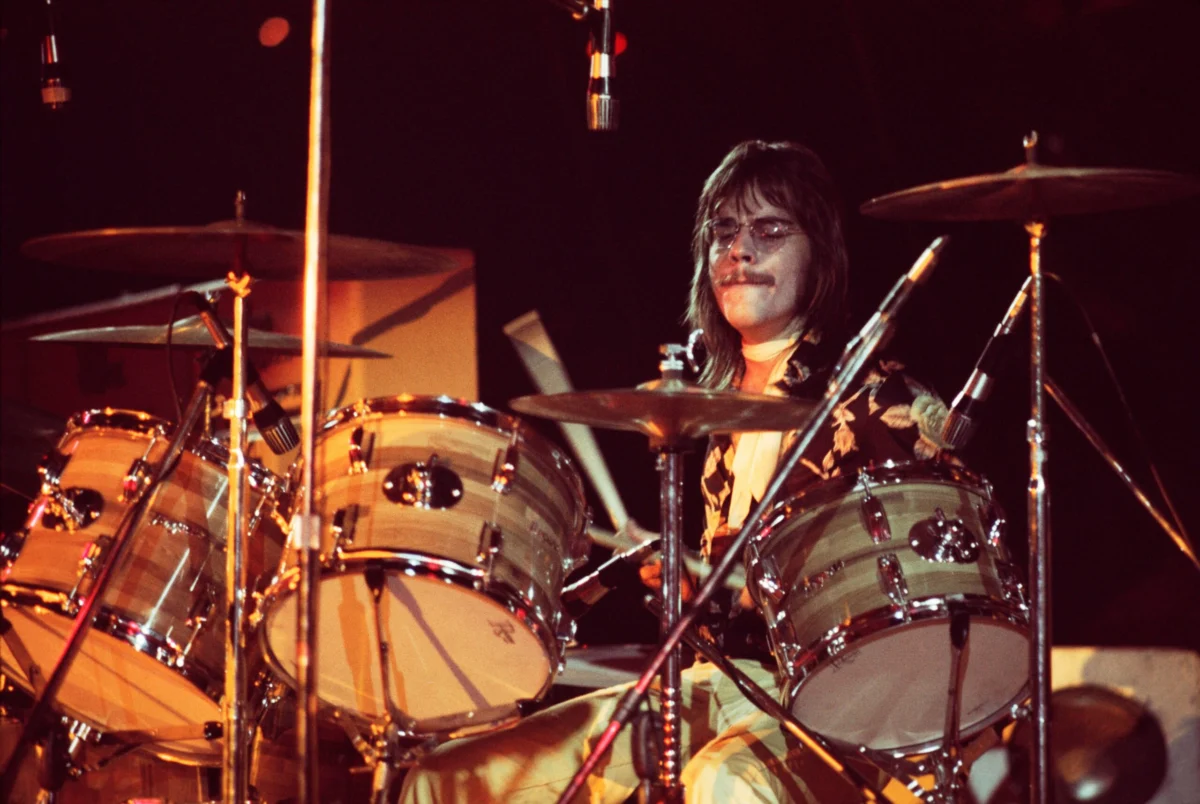
HangupsMusic.com – Richmond, Texas, The world of rock and roll lost one of its most steadfast and rhythmic foundations this week. Frank Beard, the legendary drummer who anchored the iconic Texas trio ZZ Top for more than five decades, passed away on Monday, August 17. According to a representative for the band, Beard was 77 years old at the time of his passing. He spent his final moments in hospice care in Richmond, Texas, a town not far from the Houston roots that helped define the band’s legendary "Little Ol’ Band from Texas" persona. While no official cause of death has been disclosed to the public, it was noted that he was surrounded by his family and loved ones during his final hours.
The news of Beard’s passing has sent shockwaves through the music community, prompting an outpouring of grief and tributes from fans and fellow musicians alike. Billy Gibbons, the band’s lead guitarist and frontman, released a poignant statement reflecting on the loss of his longtime partner. Gibbons expressed the profound void left by Beard’s departure, stating that he and bassist Elwood Francis—who joined the lineup following the death of Dusty Hill—had lost a "great friend and collaborator." Gibbons lauded Beard as one of the most "naturally innovative drummers" in the history of the genre, calling him a "great and true son of Texas." He emphasized that Beard’s signature backbeat was the essential engine that kept ZZ Top at the pinnacle of the rock world for over half a century.
Born Frank Lee Beard in 1949 in the small town of Frankston, Texas, the drummer’s journey into the annals of music history began with a pair of sticks and a relentless drive to master the kit as a teenager. His early years were spent navigating the vibrant Texas music circuit, where he eventually crossed paths with bassist Dusty Hill in Dallas. The two formed a formidable rhythm section early on, finding work backing the legendary country blues singer Lightnin’ Hopkins. Performing in folk venues and smoke-filled clubs, Beard and Hill honed a telepathic musical connection that would eventually become the bedrock of ZZ Top’s sound.
In 1969, Beard joined forces with Billy Gibbons shortly after Gibbons had founded ZZ Top. Recognizing that the band needed a specific kind of chemistry to succeed, Beard suggested that his former bandmate, Dusty Hill, join the fold. This recommendation completed the classic lineup that would remain unchanged for 51 years. The trio’s chemistry was instantaneous, blending gritty Texas blues with hard-driving boogie and a rock-and-roll attitude that was entirely their own. Together, they embarked on a journey that would see them record 11 gold albums and become one of the most recognizable acts in the world.
Beard’s drumming style was characterized by its deceptive simplicity and its unwavering "Texas shuffle." While he may not have been the most flamboyant drummer in terms of theatrical solos, his mastery of the groove was unparalleled. He provided the essential "pocket" that allowed Gibbons’ guitar work to soar. Hits like "La Grange" and "Tush" are masterclasses in rhythmic discipline, showcasing a backbeat that was both heavy and incredibly nimble. For many drummers, Beard was the gold standard of "playing for the song," a musician who understood that the groove was the most important element of any track.
The band’s commercial peak arrived in the 1980s, a decade that saw them transform from blues-rock stalwarts into global superstars. Their 1983 album, Eliminator, became a cultural phenomenon, selling over 10 million copies and earning a Diamond certification. On this record, Beard’s drumming had to adapt to the changing landscape of music production, incorporating electronic elements and precise timing that complemented the band’s new, synth-heavy sound. Despite the shift in production styles, Beard’s natural feel remained the heart of the music, ensuring that even their most polished hits retained that essential Texas grit.
However, the road to stardom was not without its challenges. In the mid-1970s, following the massive success of the "Worldwide Texas Tour," the band took a three-year hiatus. During this period, Beard struggled with significant substance use issues, specifically involving heroin and cocaine. In the 2019 documentary ZZ Top: That Little Ol’ Band From Texas, Beard spoke candidly about this dark chapter of his life. He recalled that in the back of his mind, he always knew he needed to make a change. "I needed to kick heroin, I needed to stop doing cocaine," he admitted in the film. His journey toward sobriety led him to a 12-step program, driven by a simple but powerful desire to get sober and return to the music he loved. He successfully overcame these hurdles and returned to the band for 1979’s Degüello, a comeback album that signaled a new era of creative vitality for the trio.
Beard’s irony was never lost on the fans: in a band famous for its long, chest-length facial hair, the member with the last name "Beard" was the only one who didn’t wear one, typically sporting only a mustache. This small quirk became a piece of rock trivia that endeared him to millions. Beyond the humor, however, was a musician of immense depth and resilience. Even as his health began to decline in recent years, Beard remained committed to the stage, continuing to perform with the group and maintaining the high standards he had set for himself decades prior.
The induction of ZZ Top into the Rock and Roll Hall of Fame in 2004 served as a formal acknowledgment of the band’s massive influence on the genre. During the ceremony, Keith Richards of the Rolling Stones praised the band’s consistency and their deep roots in American music. Beard’s role in that legacy cannot be overstated; he was the timekeeper for a band that never lost its way, even as musical trends shifted around them.
The loss of Frank Beard comes at a time when ZZ Top was actively touring across the United States. In light of his passing, the band has made the difficult decision to cancel their upcoming performances in Salt Lake City, originally scheduled for August 18, and Colorado Springs on August 19. The group plans to take a short hiatus to mourn and regroup before resuming their tour dates in October. These upcoming shows will feature two highly anticipated performances at Austin City Limits, a venue that holds special significance for the band. Billy Gibbons noted that Austin had always been a second home for Beard and that Austin City Limits was one of his favorite stages to play. These October dates are expected to serve as a powerful tribute to Beard’s life and his enduring contribution to the world of music.
As the music industry reflects on the passing of a giant, the consensus remains that Frank Beard was much more than just a drummer. He was a symbol of Texas resilience, a master of his craft, and a man who found redemption through his art. His beats will continue to echo through car stereos and stadium speakers for generations to come, a testament to the man who kept the "Little Ol’ Band from Texas" moving forward, one shuffle at a time. The legacy of ZZ Top is inextricably linked to the steady, driving pulse of Frank Beard, and while the stage may be quieter today, the music he helped create remains immortal. From the dusty roads of Frankston to the bright lights of the Rock and Roll Hall of Fame, Frank Beard’s journey was a quintessential American story of talent, struggle, and ultimate triumph. He leaves behind a grieving family, a legendary band, and a world of fans who will forever be grateful for the backbeat that kept them dancing.
